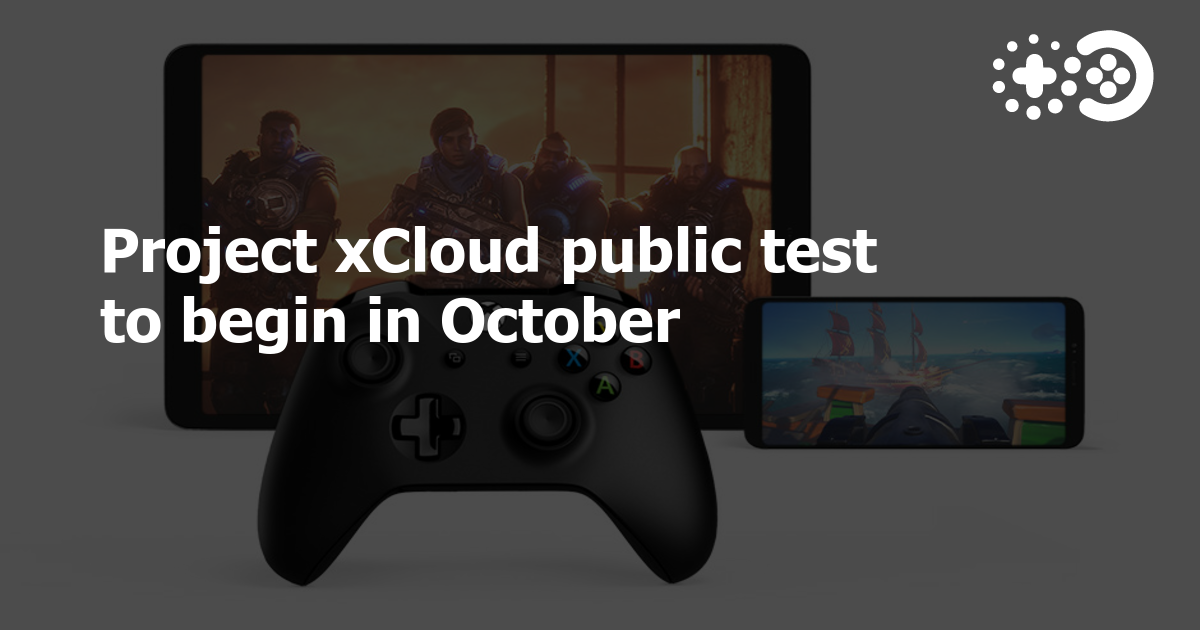

Project xCloud Public Test: Unlocking the Future of Cloud Gaming for Everyone
The Project xCloud public test represents a pivotal moment in the evolution of video game accessibility and delivery. Microsoft’s ambitious cloud gaming initiative, which allows players to stream console-quality games to a wide range of devices, has moved beyond its initial developer and insider phases, opening its doors to a broader public audience. This expansion signifies a critical step towards mainstream adoption, democratizing high-fidelity gaming experiences and challenging the traditional hardware-centric model of console gaming. The public test aims to gather invaluable feedback on performance, latency, game selection, and overall user experience, directly informing the final consumer launch and ensuring a robust and enjoyable service. Understanding the nuances of this public test, its technical underpinnings, and its potential impact on the gaming landscape is crucial for anyone interested in the future of interactive entertainment.
At its core, Project xCloud is built upon Microsoft’s robust Azure cloud infrastructure. This is not merely a web browser streaming service; it’s a sophisticated system designed to deliver low-latency, high-resolution gameplay. Games are rendered on powerful servers located in Microsoft’s data centers and then streamed as video to the player’s device. The player’s inputs, meanwhile, are sent back to the servers to control the game in real-time. This fundamental architecture necessitates a stable and fast internet connection for a seamless experience. The public test phase is designed to push these servers to their limits with a diverse user base, identifying bottlenecks and areas for optimization. Unlike some earlier cloud gaming attempts that struggled with input lag and visual fidelity, Microsoft’s investment in Azure and its dedicated cloud gaming infrastructure suggests a commitment to overcoming these inherent challenges. The sheer scale of Azure’s global network provides the foundation for Project xCloud’s potential reach, aiming to make high-end gaming accessible in regions where traditional console hardware might be prohibitively expensive or logistically difficult to distribute.
The current iteration of the Project xCloud public test focuses on a curated selection of popular Xbox Game Pass titles. This strategic choice allows Microsoft to showcase the breadth of its gaming library and demonstrate how familiar, beloved games perform within the cloud streaming environment. Titles like Gears 5, Sea of Thieves, and Halo: The Master Chief Collection are frequently featured, offering players a chance to experience their favorite franchises without needing the physical Xbox console. The selection process for these games is likely data-driven, prioritizing titles that are graphically demanding, have broad appeal, and have been optimized for cloud streaming. The inclusion of these games within the Game Pass ecosystem is also a strategic advantage, leveraging an existing subscription service to onboard users and demonstrate immediate value. As the public test progresses and feedback is analyzed, it’s anticipated that the game library will expand, potentially including a wider variety of genres and even day-one releases from Xbox Game Studios. The goal is to present a compelling reason for players to adopt cloud gaming as their primary mode of play, offering convenience and access without compromising on the gaming experience.
One of the most critical aspects of any cloud gaming service is the quality of the internet connection required. The Project xCloud public test is actively evaluating performance across various network conditions. While Microsoft recommends a minimum download speed (often cited around 10 Mbps for a good experience, with higher speeds recommended for optimal quality), the reality of internet infrastructure is varied. The public test aims to capture data from users with different bandwidths, Wi-Fi strengths, and network congestion levels. This feedback is invaluable for setting realistic expectations for consumers upon official launch and for developing robust error-handling and adaptive streaming technologies. Users experiencing stuttering, visual artifacts, or significant input lag are encouraged to report these issues, providing specific details about their network environment. This collaborative testing process allows Microsoft to fine-tune its streaming codecs and server-side optimizations to deliver the best possible experience even on less-than-ideal connections. The success of Project xCloud will hinge on its ability to deliver a consistently playable experience across a spectrum of real-world internet speeds.
The user interface and overall accessibility of Project xCloud within the public test are also under scrutiny. Players are able to access the service through a dedicated Android app, and in some regions, PC integration is also being explored. The ease with which users can discover games, launch sessions, and manage their cloud gaming library directly impacts user adoption. The test aims to identify any friction points in the onboarding process and in-game navigation. For instance, how intuitive is it to switch between games? How are controller inputs handled across different devices? What is the visual clarity of the user interface on smaller mobile screens? These are all questions that the public test is designed to answer. Microsoft’s commitment to inclusivity is also evident in its consideration of various input methods, though the primary focus remains on controller-based gameplay. As the service evolves, we may see further integration with other platforms and input devices, further broadening its appeal. The current test is a crucial step in refining this user experience to be as seamless and intuitive as possible.
The technological innovations underpinning Project xCloud are significant. Microsoft has developed custom server blades that house multiple Xbox One S consoles, allowing them to effectively virtualize and stream games at scale. This approach leverages existing, proven hardware while adapting it for a cloud-native environment. The use of specialized hardware within Azure data centers also contributes to reduced latency and improved rendering performance. Furthermore, Microsoft’s proprietary streaming protocols are engineered to optimize the delivery of video and audio data, minimizing compression artifacts and ensuring a responsive gaming experience. The ongoing public test provides real-world data that helps refine these protocols. For instance, subtle variations in network packet loss or jitter can have a significant impact on perceived latency, and the test data allows Microsoft to adapt its streaming algorithms to compensate for these fluctuations. This continuous loop of testing, feedback, and refinement is central to Microsoft’s strategy for delivering a high-quality cloud gaming product. The sheer engineering effort involved in building a global cloud gaming infrastructure capable of supporting millions of concurrent players is immense, and the public test is a vital component of validating and improving this complex system.
The implications of Project xCloud for the broader gaming industry are profound. It has the potential to disrupt traditional console sales cycles and shift the focus from hardware ownership to service subscriptions. Players may no longer need to invest hundreds of dollars in the latest console to play demanding games; instead, they can access them through a monthly subscription and a compatible device. This could significantly lower the barrier to entry for new gamers and provide existing players with greater flexibility. Furthermore, the success of Project xCloud could accelerate the adoption of cloud gaming by competitors, leading to an arms race in cloud infrastructure and game streaming technology. The public test is a crucial stepping stone in this broader industry transformation, allowing Microsoft to gather the insights needed to make cloud gaming a viable and attractive option for a mass audience. The data gathered from the public test will inform not only the eventual consumer launch of xCloud but also the long-term strategic direction of Xbox and Microsoft’s gaming division, potentially influencing future console generations and the types of games developed.
Player feedback within the Project xCloud public test is actively sought through various channels. In-app feedback mechanisms, surveys, and community forums are all utilized to gather insights on performance, usability, and game compatibility. Microsoft is keenly interested in understanding not just what works well, but also what frustrates players. This includes reporting on specific bugs, network performance issues, controller responsiveness, and the overall enjoyment of the streaming experience. The data collected is used to prioritize development efforts, identify areas requiring immediate attention, and inform the roadmap for future features and game additions. The collaborative nature of a public test means that players are not just passive recipients of a service; they are active contributors to its development. This approach fosters a sense of community and ownership, and it ensures that the final product is more likely to meet the expectations of its target audience. The more detailed and specific the feedback provided by testers, the more effectively Microsoft can address issues and improve the service.
The future roadmap for Project xCloud, as suggested by the progression of the public test, points towards a deeply integrated gaming ecosystem. The vision extends beyond simply streaming games; it envisions a world where gaming is accessible anytime, anywhere, on any device. This could mean seamless transitions between playing on a tablet and continuing on a smart TV, or even initiating a game on a PC and picking it up on a mobile phone. The public test is laying the groundwork for this interconnected future by evaluating the core streaming technology and user experience across various platforms. As the service matures and expands beyond its initial public test phase, it’s expected to become a cornerstone of Microsoft’s broader gaming strategy, offering a compelling alternative to traditional hardware-based gaming and further solidifying Xbox’s position in the evolving entertainment landscape. The ultimate goal is to make gaming as ubiquitous and convenient as other forms of digital media consumption.

