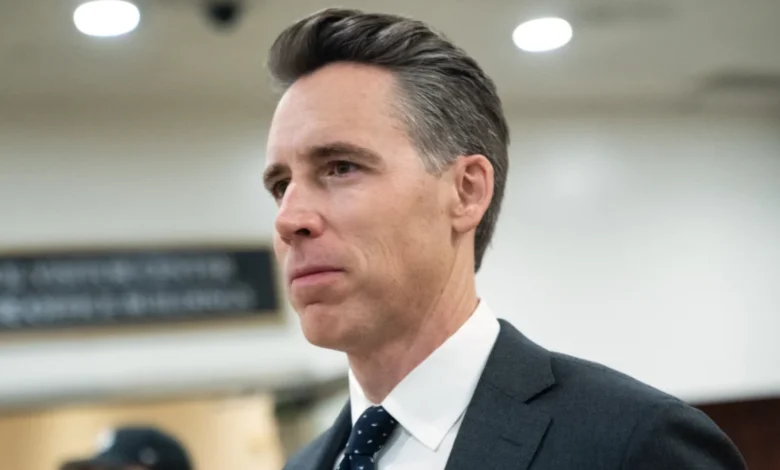
In a significant development that underscores the escalating legal and political battle over abortion access in post-Roe America, Senator Josh Hawley (R-MO) has formally called upon the Justice Department to launch a criminal investigation into Plan C, an organization he alleges is operating as a central referral and logistics hub for illegally shipping abortion pills into states where they are prohibited. The criminal referral, exclusively obtained by Fox News Digital, contends that Plan C, while publicly portraying itself as a "public health information campaign," is actively facilitating the circumvention of state laws by connecting individuals with foreign clinics and online vendors that dispatch abortion drugs into restricted jurisdictions.
The Missouri Republican’s letter, dispatched on Thursday to Acting Attorney General Todd Blanche, paints a stark picture of a "left-wing dark-money operation" that Hawley claims is engaged in activities warranting federal scrutiny under several U.S. statutes. The allegations extend beyond mere information dissemination, asserting that Plan C guides women in states with strict abortion bans, such as Florida, Oklahoma, and Texas, to sources willing to mail these medications, often without requiring prescriptions, identification, or medical consultations. This move by Senator Hawley signals a renewed effort by anti-abortion advocates to leverage federal enforcement mechanisms against organizations perceived as undermining state-level abortion restrictions following the Supreme Court’s landmark decision in Dobbs v. Jackson Women’s Health Organization.
The Post-Roe Landscape and the Rise of Medication Abortion
The landscape of reproductive healthcare in the United States underwent a seismic shift on June 24, 2022, when the Supreme Court overturned Roe v. Wade, eliminating the constitutional right to abortion and returning the authority to regulate or ban the procedure to individual states. This decision immediately triggered a patchwork of laws across the nation, with many states enacting near-total bans or severe restrictions on abortion, including surgical and medication methods. In response to these prohibitions, medication abortion, primarily involving the drugs mifepristone and misoprostol, has become an increasingly central focus of both access efforts and legislative battles.
Medication abortion currently accounts for more than half of all abortions in the U.S. Its accessibility, particularly through telehealth consultations and mail-order pharmacies, has made it a flashpoint in the post-Roe era. While the Food and Drug Administration (FDA) approved mifepristone for use up to 10 weeks of pregnancy, subsequent actions by the FDA in 2021 and 2023 allowed for the drug to be dispensed through certified pharmacies, including by mail, with a prescription. However, states retain the power to regulate the provision of abortion within their borders, leading to a direct conflict between federal drug approvals and state-level bans on abortion procedures, including the mailing of pills.
It is within this contentious environment that organizations like Plan C have gained prominence. Plan C describes its mission as providing "up-to-date information on how people in the U.S. can access abortion pills by mail," often emphasizing the urgency of providing options in states where in-clinic care is no longer available. Their stated goal is to empower individuals with knowledge about self-managed abortion, framing it as a public health imperative. However, Senator Hawley and other anti-abortion advocates view these activities as direct violations of state and federal law, constituting a coordinated effort to undermine duly enacted restrictions.
Senator Hawley’s Specific Allegations Against Plan C
Senator Hawley’s referral meticulously details several specific points of contention regarding Plan C’s operations. Central to his argument is the claim that Plan C is not merely an informational website but an active facilitator of illegal drug distribution.
Firstly, Hawley asserts that Plan C directly guides individuals in states like Florida, Oklahoma, and Texas – all of which have significant abortion restrictions – to foreign clinics willing to ship abortion pills into the U.S. This practice, he argues, directly contravenes state laws designed to regulate or prohibit abortion access. The senator highlights the concern that these foreign suppliers operate outside the regulatory oversight of the U.S. government, potentially exposing individuals to uninspected or substandard medications.
Secondly, the referral points to Plan C’s alleged recommendations for online vendors that sell abortion drugs without requiring a prescription, identification, or any form of medical consultation. This aspect is particularly concerning to Hawley, as it bypasses established medical protocols and FDA regulations designed to ensure patient safety. Hawley cites Plan C’s own website, which, he notes, acknowledges that pills obtained through some of these recommended sites are "not regulated or inspected by the US government," yet still proceeds to recommend them. This admission, in Hawley’s view, underscores the organization’s awareness of the unregulated nature of the supply chain it promotes.
Furthermore, the senator’s letter highlights Plan C’s advice to users on how to "limit their digital footprint." This includes recommendations for privacy-focused browsers, virtual private networks (VPNs), and encrypted email services. Hawley interprets these recommendations as an explicit attempt to evade law enforcement scrutiny, suggesting a deliberate effort to conceal illicit activities rather than merely providing health information. Such advice, he implies, is consistent with a covert operation rather than a transparent public health campaign.
A critical point of Hawley’s concern is that Plan C directs women to providers willing to prescribe abortion pills through 14 weeks of pregnancy. This recommendation extends beyond the Food and Drug Administration’s (FDA) approved labeling for mifepristone, which is for use up to 10 weeks gestation. Moreover, it also exceeds the gestational limits set by several states that permit abortion, creating a direct conflict with both federal medical guidelines and state laws. This disregard for established medical and legal boundaries, Hawley argues, demonstrates a pattern of flouting regulations.
Lastly, Hawley notes that Plan C’s website itself carries warnings that users could face legal consequences for obtaining abortion pills through the services it recommends. The site states that it is "up to every individual to decide what level of legal risk they are willing to take." For Hawley, this disclaimer is not a mark of transparency but rather an admission of the precarious legal ground on which Plan C’s recommended actions stand, further supporting his assertion that the organization is knowingly facilitating potentially illegal activities.
Legal Basis for a Federal Criminal Investigation
Senator Hawley contends that Plan C’s activities could violate multiple federal laws, warranting a comprehensive criminal investigation by the Justice Department. His referral specifically cites provisions of the Federal Food, Drug, and Cosmetic Act (FDCA) related to prescription drugs, laws prohibiting the importation of unapproved drugs into interstate commerce, and federal conspiracy and aiding-and-abetting statutes.
The FDCA, a cornerstone of consumer protection in the U.S., regulates the safety, efficacy, and labeling of drugs. It mandates that prescription drugs be dispensed only with a valid prescription from a licensed practitioner, and it establishes strict guidelines for drug manufacturing, distribution, and importation. Hawley argues that by facilitating the acquisition of abortion pills without prescriptions and from unregulated sources, Plan C could be violating these provisions, which are designed to protect public health and prevent the distribution of unsafe or ineffective medications. The importation of unapproved drugs is a particularly salient point, as many of the foreign clinics and online vendors cited by Plan C operate outside U.S. regulatory jurisdiction, meaning the drugs they supply may not have undergone FDA approval processes.
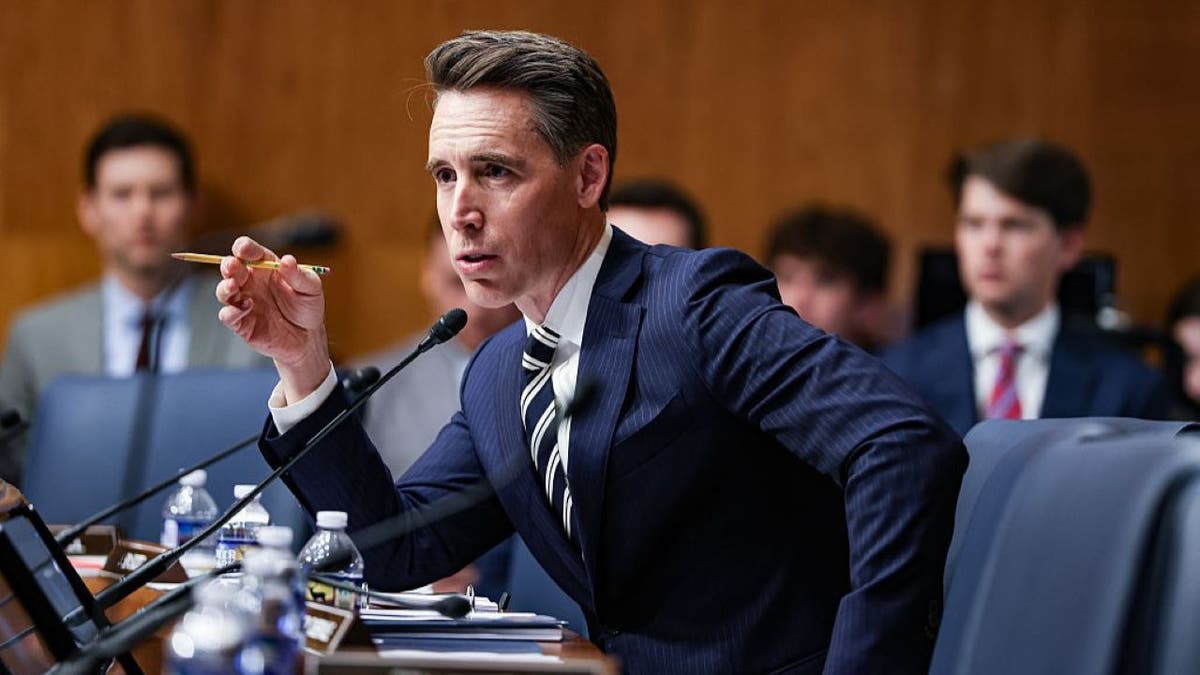
Beyond specific drug regulations, Hawley also invokes federal conspiracy and aiding-and-abetting statutes. A federal conspiracy charge typically requires proof of an agreement between two or more persons to commit an unlawful act, along with an overt act taken in furtherance of that agreement. Aiding and abetting charges apply when an individual assists or encourages another in the commission of a crime. Hawley suggests that Plan C’s role as a "referral and logistics hub" could implicate it in a broader conspiracy with foreign manufacturers, clinics, and online vendors to unlawfully distribute abortion pills across state lines and into restricted jurisdictions. The coordinated effort to bypass state laws and federal regulations, he implies, forms the basis for such charges.
Should the Justice Department proceed with an investigation, it would face the complex task of navigating jurisdictional challenges, especially concerning foreign entities. However, federal law enforcement has mechanisms to investigate and prosecute individuals or organizations within the U.S. who facilitate illegal activities involving international actors.
The Justice Department’s Role and Potential Response
Acting Attorney General Todd Blanche is now tasked with reviewing Senator Hawley’s criminal referral. The Department of Justice (DOJ) typically maintains a policy of not commenting on ongoing or potential investigations. Upon receiving such a referral, the DOJ’s standard procedure involves an initial assessment to determine if the allegations present a credible basis for further inquiry. This internal review process can be lengthy and may or may not result in a formal investigation.
The DOJ operates independently of political pressures, at least in principle, and its decisions are meant to be based on the evidence and legal merit of the case. However, the political sensitivity surrounding abortion access means that any decision regarding an investigation into Plan C would be scrutinized from all sides. The Biden administration has generally expressed support for abortion access, including medication abortion, and has taken steps to protect access where possible within federal authority. This stance could complicate a decision to investigate an organization that views itself as safeguarding reproductive freedom.
Conversely, the DOJ is also obligated to enforce federal laws, regardless of the political implications. If Hawley’s referral provides sufficient evidence to suggest violations of federal drug laws or conspiracy statutes, the department would be under pressure to act. An investigation could involve subpoenas, interviews, and data analysis to trace the network of suppliers and recipients. The scope of such an investigation, as Hawley requests, would ideally include the foreign clinics and online vendors shipping abortion drugs into the United States, presenting significant international legal cooperation challenges.
Broader Implications and Reactions
The criminal referral against Plan C reverberates through the ongoing national debate on abortion, with significant legal, political, and public health implications.
Political Reactions:
Senator Hawley’s action has been met with predictable reactions from both sides of the abortion debate. Anti-abortion organizations and advocates have largely lauded his initiative, viewing it as a necessary step to uphold state laws and prevent what they perceive as dangerous, unregulated distribution of abortion-inducing drugs. They often emphasize concerns about patient safety, lack of medical oversight, and the importance of respecting states’ rights to regulate abortion.
On the other hand, reproductive rights organizations and pro-choice advocates are likely to condemn Hawley’s referral as a politically motivated attack aimed at further restricting abortion access. They would argue that groups like Plan C are providing essential information and resources in a landscape where legal abortion access has been severely curtailed, and that attempts to criminalize such efforts are an affront to bodily autonomy and public health. They might also highlight the disparity in access and healthcare outcomes for women in states with strict bans.

Legal and Enforcement Implications:
Should the DOJ launch an investigation, it would set a significant precedent for federal enforcement against organizations facilitating abortion access across state lines. It could potentially open a new front in the legal battles over abortion, moving beyond state-level prosecutions to federal charges. Such an investigation would force a direct confrontation between states’ rights to ban abortion and the federal government’s role in regulating drugs and interstate commerce, potentially leading to novel legal interpretations and challenges. The effectiveness of federal conspiracy and aiding-and-abetting statutes in this context would be thoroughly tested.
Public Health and Safety Concerns:
The debate also centers on public health and safety. Senator Hawley’s concerns about "unregulated" pills sold without medical consultation are echoed by some medical professionals who emphasize the importance of proper medical screening, counseling, and follow-up care for medication abortion, particularly to rule out ectopic pregnancies or determine gestational age accurately. The FDA’s approval process for mifepristone included Risk Evaluation and Mitigation Strategies (REMS) to ensure safe use, and bypassing these, as alleged, raises legitimate questions about patient well-being.
Conversely, advocates for Plan C and similar services argue that in states where legal, medically supervised abortion is unavailable, self-managed abortion with pills obtained online offers a safer alternative to desperate and potentially dangerous measures. They contend that the risks of medication abortion are low, especially in early pregnancy, and that criminalizing access only exacerbates health disparities.
The "Shield Laws" Context:
It is also relevant to consider the emergence of "shield laws" in some states (e.g., California, Massachusetts, New York) designed to protect abortion providers and patients who travel from states with bans. These laws aim to prevent prosecution or civil actions against individuals involved in legal abortion services, including medication abortion, in their respective states. While these laws aim to protect providers within their borders, they do not directly address the legal complexities of shipping pills into states where they are banned, which is the core of Hawley’s referral. However, a recent report cited by Fox News Digital indicated that "Blue state shield laws allowed 330K abortion pills to be sent to abortion ban states," highlighting the scale of cross-state pill distribution and the inherent conflict between different state legal frameworks.
Conclusion and Future Outlook
Senator Josh Hawley’s criminal referral against Plan C marks a critical juncture in the ongoing saga of abortion access in the United States. It transforms the debate from a primarily state-level legal battle to a potential federal enforcement issue, raising the stakes significantly for organizations operating to facilitate abortion access in restrictive environments. The allegations of illicit drug distribution, circumvention of state laws, and potential federal conspiracy charges pose a serious challenge to Plan C’s operational model.
The coming weeks and months will reveal how the Justice Department responds to this referral. Its decision will not only impact the fate of Plan C but will also send a powerful signal about the federal government’s role in enforcing — or refraining from enforcing — laws related to abortion access in the post-Roe era. The outcome will undoubtedly shape the strategies of both anti-abortion advocates seeking to solidify state bans and reproductive rights organizations striving to maintain access to care, setting new precedents in the deeply divided landscape of American reproductive health policy.