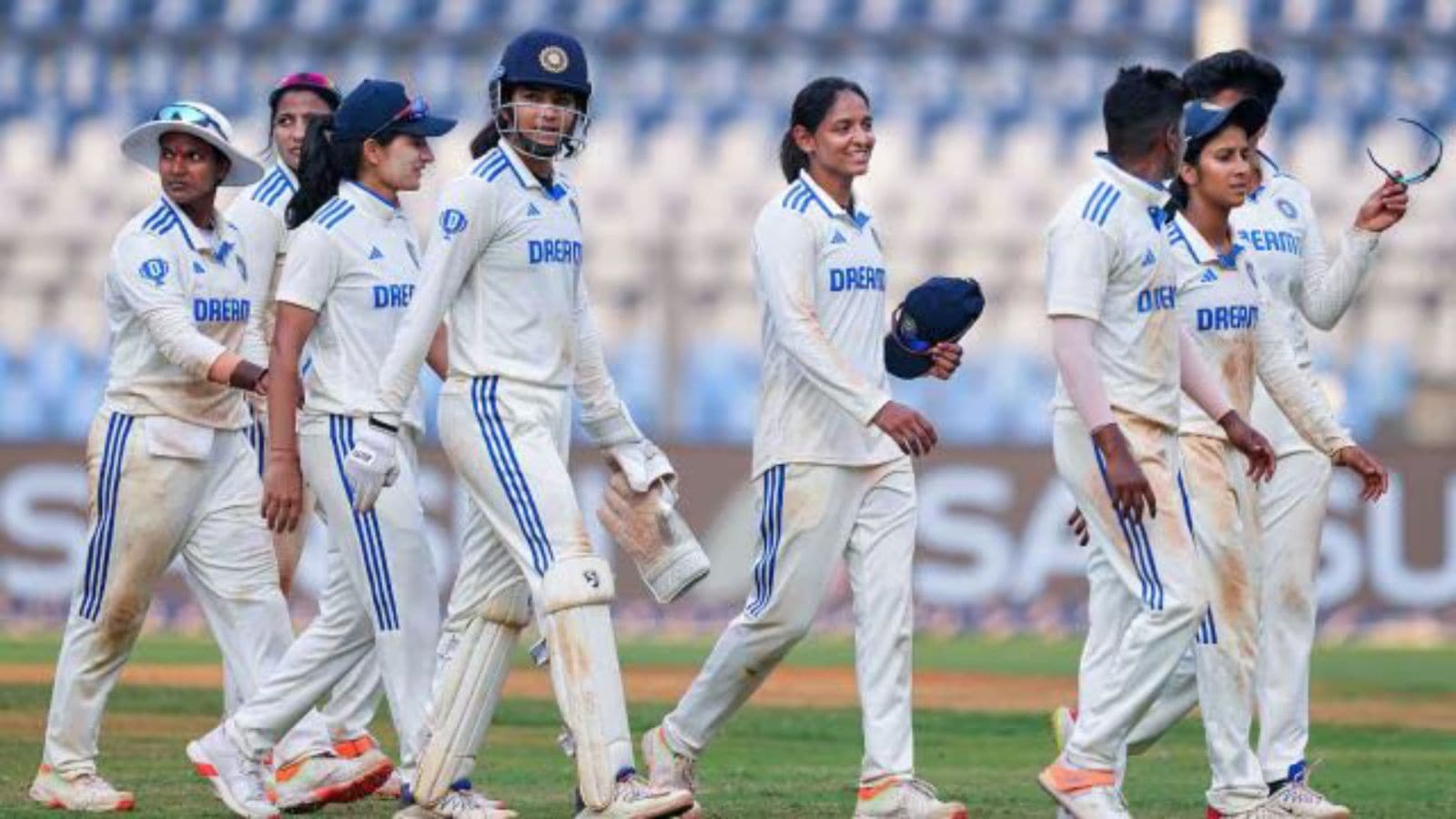

The Case for More Test Matches for the Indian Women’s Cricket Team
The Indian women’s cricket team, despite its burgeoning talent and recent successes in limited-overs formats, faces a significant deficit in exposure to Test cricket. This imbalance not only hinders the development of individual players but also curtails the potential for the sport’s growth within the nation. The current paucity of Test matches for the women’s team represents a missed opportunity, a regression in a format that has historically defined cricketing excellence and fostered deep tactical and technical understanding. Expanding the Test schedule is not a luxury; it is a necessity for the holistic advancement of Indian women’s cricket, enabling players to hone essential skills, build resilience, and ultimately elevate the team’s standing on the global stage. The argument for more Test matches is multifaceted, encompassing player development, strategic depth, commercial viability, and the very essence of cricket as a multi-format sport.
A primary driver for increasing the frequency of Test matches for the Indian women’s team lies in player development. Test cricket, with its extended durations and varied conditions, offers an unparalleled platform for cricketers to refine their technique, temperament, and strategic acumen. Batters in Test matches are compelled to build innings, defend their wickets against sustained pressure, and adapt to the nuances of changing pitch conditions. This process cultivates patience, shot selection refinement, and the ability to grind out runs, skills that are often less emphasized in the faster-paced T20 and ODI formats. For bowlers, the red ball demands greater accuracy, variation, and endurance. They are challenged to exploit the intricacies of swing and seam movement over longer spells, developing the ability to set up batsmen and extract purchase from even docile surfaces. Wicketkeepers and fielders also benefit immensely from the extended periods of concentration and the tactical demands of Test cricket, sharpening their awareness and decision-making under prolonged pressure. The Indian team boasts a wealth of raw talent, but without consistent exposure to the rigors of the longest format, the full potential of these players remains untapped. The ability to adapt to different match situations, to read the game, and to execute under immense psychological strain are all cultivated through the crucible of Test cricket. This is particularly crucial for younger players who are still learning their craft and need the experience of prolonged matches to develop a comprehensive understanding of the game’s ebb and flow.
Beyond individual skill development, a more robust Test schedule would foster greater strategic depth and tactical innovation within the Indian women’s team. Test cricket is a game of chess, where captains and players must constantly assess the match situation, plan for sessions, and anticipate the opposition’s moves. This requires a nuanced understanding of field placements, bowling changes, and batting strategies that are not always as critical in limited-overs cricket. Playing more Tests would allow the Indian think-tank to experiment with different strategies, to identify effective tactics against various opposition strengths, and to develop a deeper understanding of how to build and defend a total in a drawn-out encounter. This enhanced strategic thinking can then filter down into the shorter formats, leading to more sophisticated and adaptable performances across all disciplines. Furthermore, the experience of playing on different types of pitches, from the seaming tracks of England to the turning wickets of the subcontinent, would be invaluable in developing a well-rounded and adaptable playing unit. The ability to perform under varied conditions is a hallmark of truly elite cricket teams, and Test cricket provides the ideal proving ground for this multifaceted development.
The argument for more Test matches also extends to the commercial viability and fan engagement aspects of women’s cricket. While T20 and ODI cricket have garnered significant attention, Test matches offer a unique appeal to a dedicated segment of cricket enthusiasts. The inherent drama, the slow burn of a multi-day contest, and the potential for dramatic turnarounds hold a special allure. Increased Test match opportunities would provide more content for broadcasters, attract new sponsors interested in associating with the prestige of Test cricket, and potentially draw larger crowds for high-stakes encounters. For fans, more Tests would mean more opportunities to witness their favorite players in action, to witness the evolution of rivalries, and to experience the traditional grandeur of the sport. The IPL has demonstrated the immense commercial potential of women’s cricket, but Test cricket, with its established legacy and distinct appeal, could unlock further avenues for growth and investment, contributing to the overall professionalization of the sport. The longer format allows for a deeper narrative to unfold, drawing viewers into the intricacies of the game and fostering a more profound connection with the teams and players. This, in turn, can translate into increased viewership figures and greater sponsorship revenue, providing a sustainable financial model for the sport’s expansion.
Furthermore, the international cricketing landscape is increasingly recognizing the importance of multi-format cricket. Many established cricketing nations, including Australia, England, and New Zealand, regularly feature their women’s teams in Test matches. For India to be considered a truly elite cricketing nation, it must compete effectively across all formats. A lack of Test experience puts the Indian women’s team at a distinct disadvantage when facing opponents who are accustomed to the demands of the longer game. This disadvantage can manifest in both performance and confidence. By playing more Tests, India can bridge this gap, gain valuable experience against different styles of play, and build a reputation as a formidable Test-playing nation. The ICC’s commitment to promoting women’s cricket across all formats, including the inclusion of Test matches in their future scheduling strategies, further underscores the need for India to align its domestic calendar with global trends. The prestige associated with winning a Test series against a top-ranked opponent is immense and would undoubtedly boost the profile and aspirations of the Indian women’s cricket team. It signals a commitment to excellence and a desire to be considered among the very best in the world.
The historical context of women’s cricket in India also warrants a consideration of Test matches. While limited-overs formats have dominated recent years, the early days of women’s cricket saw a greater emphasis on Test matches. Reintroducing and prioritizing this format would be a return to its roots while also embracing modern demands. It would provide a continuity of tradition and offer a different kind of challenge to players who have grown up idolizing cricketers who excelled in all formats. The skills honed in Test cricket – the defensive technique, the patient accumulation of runs, the ability to bowl long spells – are foundational and contribute to a more complete cricketing education. This is not to diminish the importance of T20 and ODI cricket, but rather to argue for a balanced approach that caters to the multifaceted development of the sport and its athletes. The ability to adapt to the strategic requirements of each format is a hallmark of a truly versatile and successful cricketer.
The current approach, with sporadic Test matches often played with significant gaps between them, fails to build momentum or provide consistent learning opportunities. A more structured and regular Test schedule, perhaps as part of bilateral series or even a tri-series format, would allow for greater consistency in preparation, team selection, and tactical execution. This regularity is crucial for any team aiming to excel at the highest level of Test cricket. The psychological aspect of playing Test matches – the mental fortitude required to endure long periods of play, to recover from setbacks, and to maintain focus over multiple days – is a significant factor that can only be developed through consistent exposure. This resilience is transferable to all formats of the game, making players mentally tougher and better equipped to handle pressure situations.
In conclusion, the Indian women’s cricket team should play significantly more Test matches. This is not a call to abandon limited-overs cricket, which has its own vital role to play in the sport’s popularity and development. Instead, it is an argument for a balanced and holistic approach. Increased Test match participation is essential for the all-round development of players, fostering strategic depth, enhancing commercial viability, aligning with international trends, and honoring the legacy of the sport. By embracing the challenges and opportunities presented by Test cricket, India can propel its women’s team to new heights, ensuring they are not just competitive but truly dominant forces across all formats of the game. The time for prioritizing the red ball in the women’s game is now.

