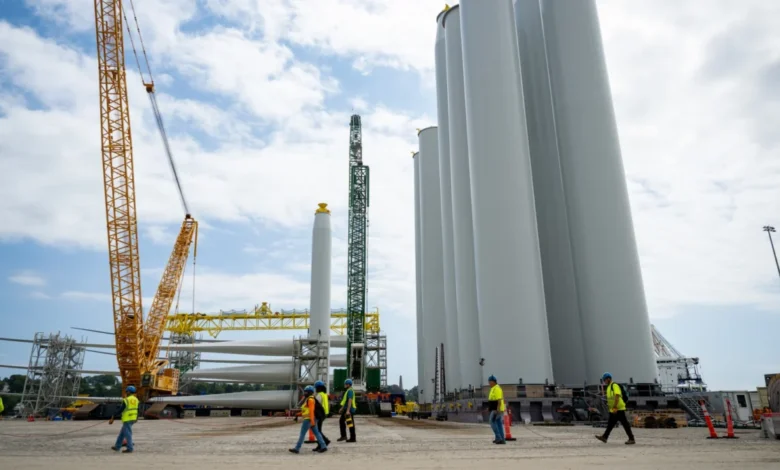
Despite an initial wave of regulatory tightening and political skepticism, the United States solar energy sector is experiencing an unprecedented surge in growth, driven by the massive power requirements of the artificial intelligence revolution and a pragmatic shift in conservative energy policy. While the wind industry has faced significant headwinds due to administrative hurdles and legal challenges, solar power has emerged as the primary beneficiary of a domestic energy market that prioritizes speed, cost-efficiency, and "energy dominance." Data from the Rhodium Group and the Solar Energy Industries Association (SEIA) indicates that solar and battery storage accounted for a staggering 79 percent of all new power generation brought online in 2025, defying early predictions that a rollback of environmental incentives would cripple the industry.
The Paradox of Policy and Growth
The trajectory of the American renewable energy sector appeared bleak in the spring of 2025. Following a shift in congressional leadership, Republicans moved to significantly alter the Inflation Reduction Act (IRA), targeting its generous tax credits for wind and solar projects. Simultaneously, the Department of the Interior introduced a complex web of regulations that critics described as "byzantine," designed to restrict clean energy development on federal lands. These moves were widely interpreted as a death knell for the green energy transition initiated under the previous administration.
However, a year into this new regulatory environment, the data tells a more nuanced story. While offshore wind projects, such as the Revolution Wind initiative, were temporarily halted by administrative orders—decisions that were later challenged and in some cases overturned by federal courts—the solar industry has continued to expand. This resilience is attributed to solar’s lower capital intensity and its ability to be deployed on private land, which is less susceptible to federal permitting delays. According to Hannah Hess, director of the Rhodium Group’s Clean Investment Monitor, the narrative that the administration is successfully "holding up everything in red tape" is not supported by the numbers. Investment in solar remains robust, with a projected growth of 49 percent before the remaining IRA tax credits are scheduled to expire at the end of 2027.
A Timeline of Regulatory Friction and Pragmatic Pivots
The relationship between the current administration and the solar industry has evolved through several distinct phases over the past eighteen months:
- Spring 2025: The Department of the Interior implements restrictive regulations on federal land use, leading to the suspension of several large-scale renewable projects.
- Autumn 2025: The offshore wind industry hits a nadir as the administration halts construction on projects like Revolution Wind, citing environmental and maritime concerns.
- February 2026: In a notable policy shift, the administration announces the approval of several major solar projects that had previously been blocked. This move coincides with rising pressure from the tech sector to secure more power for data centers.
- Spring 2026: Prominent conservative figures and administration officials begin publicly framing solar energy as a component of "American Energy Dominance," emphasizing competition with China and the need for affordable domestic power.
This shift was underscored by Energy Secretary Chris Wright, previously a vocal critic of renewable mandates. In early 2026, Wright acknowledged the "commercial role" of solar, stating that the technology could contribute affordable and reliable energy to the national grid. This rhetorical pivot reflects a growing realization within the administration that meeting the nation’s skyrocketing energy demands requires an "all-of-the-above" strategy.
The Data Center Revolution: A Catalyst for Speed
The primary driver behind the solar boom is the insatiable demand for electricity from data centers. As artificial intelligence and cloud computing infrastructure expand, developers are facing a critical shortage of power. Jim DesJardins, executive director of the Renewable Energy Industries Association of New Mexico, notes that the conversation has shifted entirely. "Five years ago, we were talking about an increase in load from EVs and building electrification," DesJardins said. "Now, it’s all data centers and how you are going to power them."
In states like New Mexico, this demand is fostering unusual alliances. For the first time, the New Mexico Oil and Gas Association reached out to sponsor the state’s renewable energy conference, signaling that traditional energy giants now view solar as a necessary complement to fossil fuels rather than a direct competitor. For data center operators, solar power—paired with battery storage—offers the fastest path to bringing new capacity online.
The Supply Chain Bottleneck: Gas Turbines and the Solar Advantage
While natural gas remains a cornerstone of the U.S. energy mix, the industry is currently hamstrung by a global shortage of gas turbines. These internal combustion engines, essential for converting fuel into steady grid power, currently have a procurement backlog of five to nine years. Mike Hall, CEO of California-based energy intelligence platform Anza Renewables, explains that the delays for gas-fired plants are prohibitive. "You’ve got to permit it, you’ve got to be near a gas pipeline, and then you have the climate and carbon issues," Hall said.
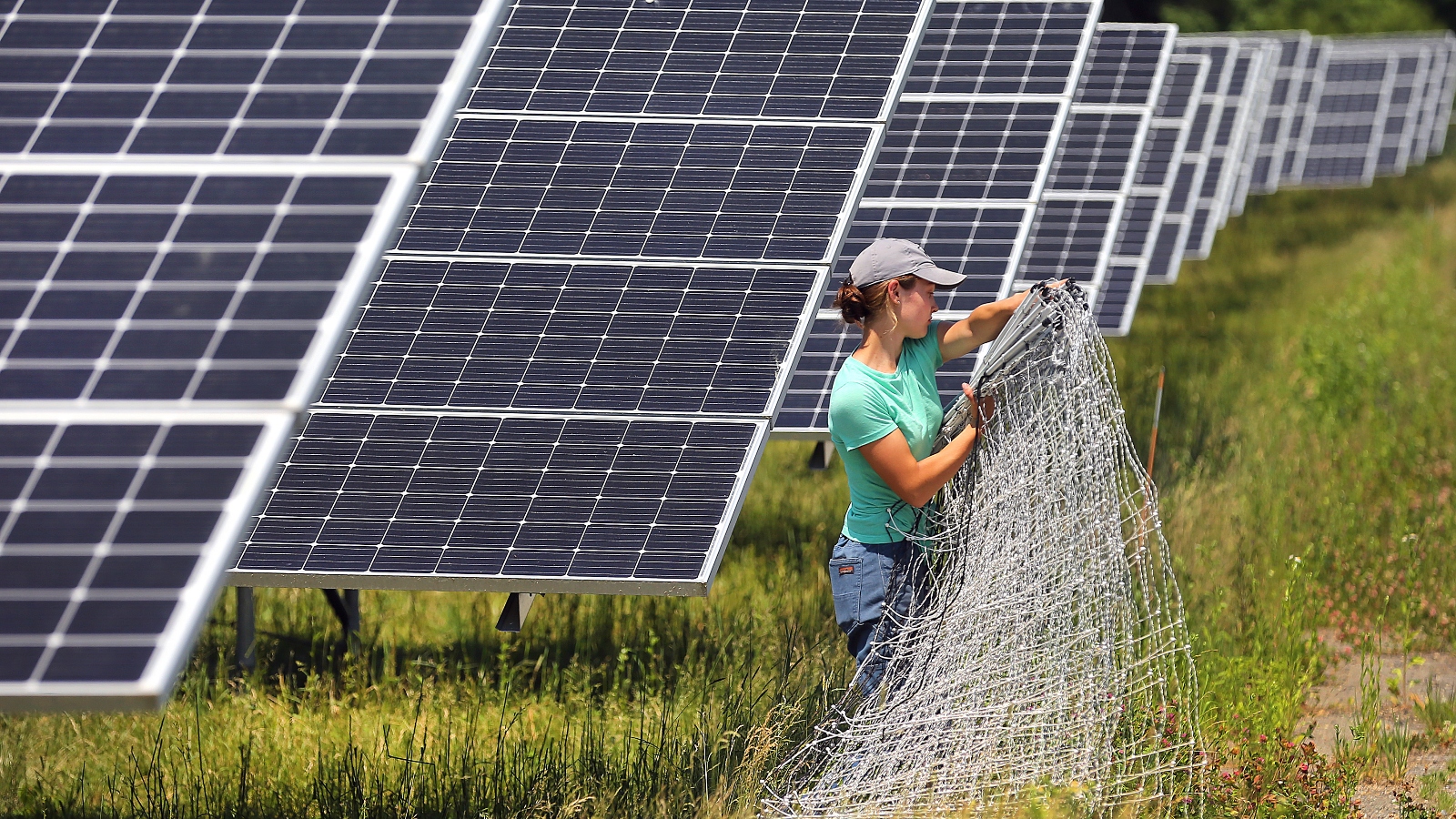
In contrast, solar projects can be permitted and constructed in a fraction of the time. A study by Sightline Climate found that up to half of the world’s data center deals were at risk of delay this year due to power constraints. For many developers, waiting a decade for a gas turbine is not a viable business strategy, making solar the only scalable solution to meet immediate needs.
The Changing Political Rhetoric: From Culture War to Energy Dominance
The political landscape surrounding solar energy is also undergoing a transformation. While solar was once a flashpoint in partisan culture wars, it is increasingly being marketed to conservative voters through the lens of affordability and national security. A poll conducted by GoodPower and NORC at the University of Chicago revealed that 69 percent of Republicans support solar energy, provided it leads to lower electricity costs for households.
The Solar Energy Industries Association (SEIA) has leaned into this sentiment, aligning its lobbying efforts with the President’s "energy dominance" agenda. By emphasizing that solar lowers energy costs for businesses and reduces reliance on foreign supply chains, the industry has found common ground with "MAGA" influencers. Katie Miller, a former administration official, recently described solar as the "energy of the future," noting the strategic necessity of expanding domestic solar capacity to compete with China’s dominance in the sector. Her public endorsement—referring to the sun as a "giant fusion reactor in the sky"—reflects a broader softening of the conservative stance toward the technology.
Bipartisan Breakthroughs: The SPEED Act and Permitting Reform
The need for grid modernization has led to a rare moment of bipartisan cooperation in Congress. In December, the House passed the Standardizing Permitting and Expediting Economic Development (SPEED) Act. This legislation aims to overhaul the National Environmental Policy Act (NEPA), a 1970s-era law that requires exhaustive environmental reviews for infrastructure projects.
While NEPA was originally designed to protect the environment, it has become a significant hurdle for renewable energy developers seeking to build long-distance transmission lines and large-scale arrays. The SPEED Act seeks to streamline these approvals, a move supported by both the administration and Democratic senators like Martin Heinrich and Sheldon Whitehouse. Heinrich’s office has urged the administration to "stop stalling" on clean energy projects, arguing that permitting reform is essential to lowering electricity bills for American families.
Geopolitical Pressures and the Economics of Energy Poverty
External factors are also playing a role in the solar resurgence. Ongoing instability in the Middle East and the war in Iran have caused global oil prices to fluctuate, driving up the cost of traditional energy. This volatility has highlighted the importance of energy independence. Solar power, which has no fuel cost once installed, provides a hedge against the price swings of the global commodities market.
Furthermore, the issue of "energy poverty" is becoming a central theme in policy discussions. Research from RMI indicates that one in three U.S. households struggles to pay utility bills. Brad Townsend, vice president of policy at the Center for Climate and Energy Solutions, suggests that the administration is becoming increasingly aware that they cannot afford to turn away any source of low-cost power. "No one has fought a war over the sun," DesJardins remarked, highlighting the national security benefits of a decentralized, solar-heavy grid.
Broader Impact and Long-term Implications
As the United States approaches the 2027 expiration of key tax credits, the solar industry is racing to solidify its position as a permanent fixture of the American economy. The current boom suggests that the transition to renewable energy is no longer solely dependent on federal subsidies or environmental mandates; it is being propelled by the raw economic needs of the 21st-century digital economy.
The integration of solar power with battery storage has addressed the long-standing criticism of intermittency, allowing renewable energy to provide the 24/7 "baseload" power required by data centers. While local permitting and utility interconnection remain significant bottlenecks, the momentum behind solar appears to be reaching a tipping point. By framing solar as a tool for economic growth, cost reduction, and geopolitical strength, the industry has successfully navigated a challenging political environment, ensuring that the "giant fusion reactor in the sky" will play a central role in the nation’s energy future.