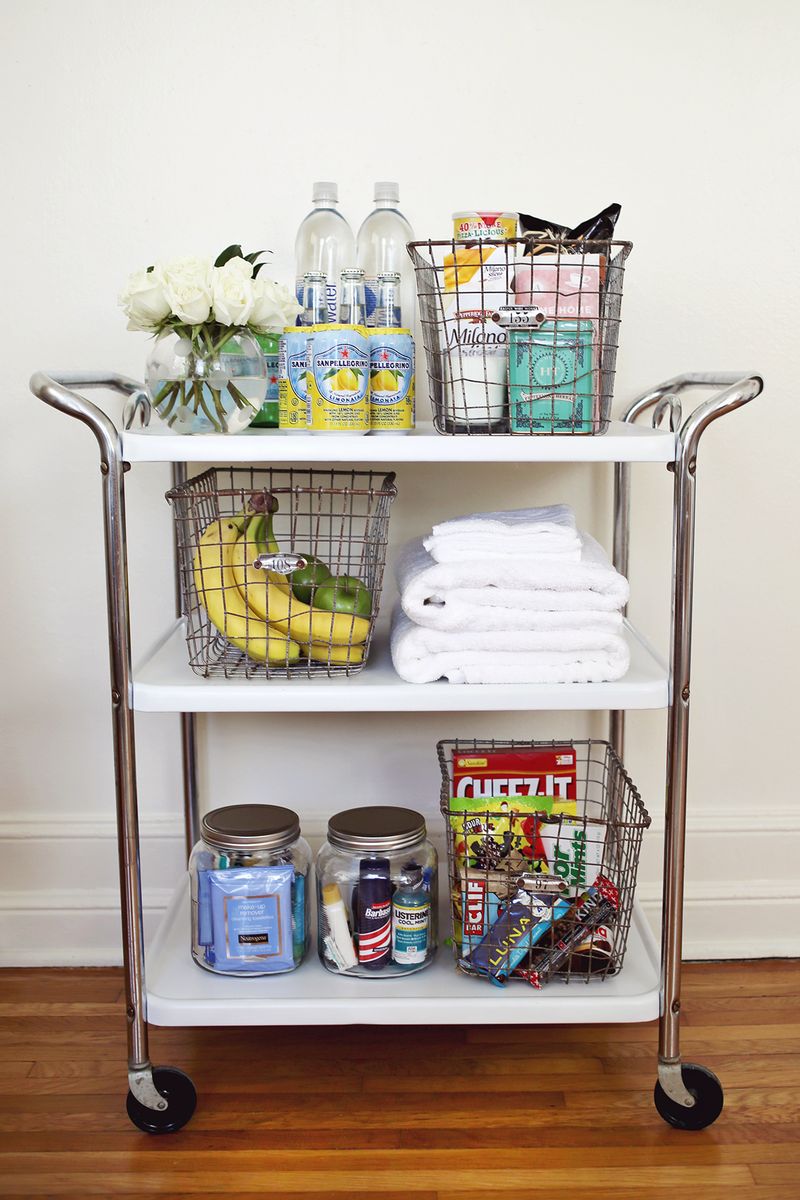

Guest Room Cart: Elevating Hospitality with Smart Storage and Service
The guest room cart, often referred to as a hospitality cart, service trolley, or housekeeping cart, is a multifaceted piece of equipment designed to streamline operations within hotels, guesthouses, and short-term rental accommodations. Its primary function is to serve as a mobile, organized repository for linens, toiletries, cleaning supplies, and other essential items required for servicing guest rooms. Beyond mere storage, a well-designed guest room cart significantly contributes to efficiency, guest satisfaction, and the overall professional presentation of a hospitality establishment. Understanding its components, benefits, and optimal usage is crucial for maximizing its impact.
The construction of a typical guest room cart prioritizes durability, maneuverability, and ample storage capacity. Most are built with robust materials like stainless steel or high-grade plastics, capable of withstanding the rigors of daily use. The base of the cart typically features heavy-duty, non-marking casters, often with locking mechanisms, to ensure smooth and secure movement across various flooring surfaces. This mobility is paramount for housekeeping staff navigating hallways and entering guest rooms. The cart’s structure generally includes multiple shelves and compartments. Upper shelves are often designed for easy access to clean linens, such as towels and sheets, while lower levels can accommodate bulkier items like vacuums, mops, buckets, and cleaning solutions. Dedicated drawers or compartments are common for storing smaller amenities like soaps, shampoos, conditioners, lotions, and individually wrapped items. Some advanced carts incorporate specialized holders for trash bags, laundry bags, and even irons and ironing boards, promoting a comprehensive approach to room servicing.
The advantages of integrating guest room carts into hospitality operations are numerous and directly impact both operational efficiency and guest experience. Firstly, enhanced efficiency is a primary benefit. By consolidating all necessary supplies onto a single, mobile unit, housekeeping staff can service rooms more quickly and effectively. Eliminating the need to make multiple trips to linen closets or supply rooms saves valuable time and reduces physical strain. This improved workflow translates to faster room turnover, allowing hotels to accommodate more guests and potentially increase revenue. Secondly, improved organization and inventory management are directly facilitated. The structured compartments of a guest room cart ensure that supplies are kept tidy and readily accessible. This prevents misplacement or underutilization of resources and aids in accurate inventory tracking. Staff can quickly identify when supplies are running low, allowing for proactive replenishment and reducing the likelihood of guest complaints due to missing amenities.
Furthermore, guest room carts contribute significantly to enhanced guest satisfaction. When a guest requests an extra towel or a specific amenity, a well-stocked and efficiently managed cart allows staff to fulfill the request promptly and without delay. This responsiveness demonstrates a commitment to guest comfort and can significantly influence positive reviews and repeat business. The visual presentation also plays a role; a clean, well-maintained cart suggests a professional and organized establishment. Lastly, increased staff safety and reduced fatigue are important considerations. By centralizing heavy items and providing a stable platform for transport, the cart minimizes the risk of injuries associated with carrying multiple items or bending repeatedly. The smooth-rolling casters reduce the effort required to move supplies, contributing to a less physically demanding work environment.
When selecting a guest room cart, several key features and considerations should be evaluated to ensure it meets the specific needs of an establishment. Size and capacity are fundamental. The dimensions of the cart should be suitable for the width of hallways and doorways within the property. The number of shelves and compartments should be adequate to store the required volume of linens, amenities, and cleaning supplies for the anticipated number of rooms to be serviced by a single cart. Material and durability are critical for longevity and ease of maintenance. Stainless steel offers superior durability and is non-porous, making it easy to clean and sanitize. High-impact plastics can also be a good option, offering a lighter weight and resistance to corrosion. Maneuverability and braking systems are paramount for safe and efficient operation. Carts with high-quality, swivel casters that glide smoothly are essential. The presence of reliable locking mechanisms on at least two of the casters prevents the cart from rolling away during use.
Compartmentalization and modularity are design features that enhance organization. The availability of adjustable shelves, dedicated drawers, and specialized holders for specific items can significantly improve workflow. Modular designs allow for customization, enabling the cart to be adapted to changing needs. Ergonomics and ease of use for the housekeeping staff should not be overlooked. Comfortable handles, intuitively placed controls, and a design that minimizes bending and reaching contribute to a positive user experience. Finally, hygiene and ease of cleaning are non-negotiable in a hospitality setting. The materials used should be non-porous and resistant to cleaning agents, and the design should facilitate thorough cleaning to prevent the spread of germs.
The strategic placement and utilization of guest room carts are crucial for maximizing their operational benefits. Typically, these carts are stored in designated service areas or housekeeping closets when not in use. At the beginning of a shift, housekeeping staff will load their carts with the necessary clean linens, toiletries, cleaning supplies, and any special guest requests. The cart then becomes their mobile workstation as they proceed to service assigned rooms. Within a guest room, the cart is usually positioned outside the door or in a discreet location within the room to maintain the aesthetic and avoid obstructing guest movement. After servicing, the cart is used to transport used linens and trash to designated collection points.
Beyond the standard housekeeping functions, guest room carts can be adapted for various specialized purposes within a hospitality setting. For instance, turnover carts can be specifically equipped with a full set of linens, toiletries, and cleaning supplies for the immediate preparation of a room after a guest’s departure. This specialized setup ensures rapid turnaround times for check-ins. Mini-bar restocking carts can be configured with chilled compartments and organized shelving for efficient replenishment of in-room mini-bar items. In larger resorts or establishments with extensive grounds, specialized carts might be developed for specific departments, such as laundry services or maintenance, to transport tools and supplies. Furthermore, in a conferencing or event setting, service carts can be utilized to distribute refreshments, agendas, or other materials to attendees in meeting rooms. The inherent mobility and organization of a guest room cart make it a versatile tool that can be adapted to a wide range of service-oriented tasks within the hospitality industry.
The integration of technology with guest room carts is an evolving trend aimed at further enhancing efficiency and data management. RFID (Radio-Frequency Identification) tags can be attached to linens and amenities, allowing housekeeping staff to quickly scan and log the items loaded onto the cart and subsequently used in rooms. This provides real-time inventory data and can automate restocking orders. Mobile device integration is another area of development, where tablets or smartphones can be docked onto the cart, providing staff with digital room assignments, cleaning checklists, and guest communication platforms. GPS tracking could potentially be implemented for larger fleets of carts, enabling better management of their location and usage patterns within expansive properties. While not yet standard, these technological advancements point towards a future where guest room carts are even more sophisticated and integrated into the digital infrastructure of hospitality operations, offering predictive maintenance alerts, optimized routes, and enhanced data analytics for improved service delivery.
Maintenance and cleaning protocols are paramount to the longevity and hygienic integrity of guest room carts. Regular cleaning should be a daily routine for housekeeping staff, involving the sanitization of all surfaces, shelves, and compartments using approved cleaning and disinfecting agents. This not only prevents the spread of germs but also maintains a professional appearance. Periodic deep cleaning and descaling of any metal components are also recommended. Casters should be inspected regularly for wear and tear, and any debris accumulation should be promptly removed to ensure smooth and safe operation. Locking mechanisms should be tested to ensure they are functioning correctly. In the event of any damage, such as dents, cracks, or broken components, prompt repair or replacement is essential to prevent further deterioration and potential safety hazards. A proactive maintenance schedule, coupled with diligent cleaning practices, will significantly extend the lifespan of the guest room cart and ensure its continued effectiveness as a vital piece of hospitality equipment. The investment in a quality guest room cart, coupled with proper training and maintenance, represents a significant step towards optimizing operational efficiency, enhancing guest satisfaction, and solidifying a professional and service-oriented brand image.
