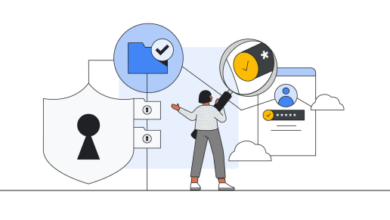
Web application and API attacks are a growing threat in the digital world, posing a significant risk to individuals and organizations alike. These attacks can compromise sensitive data, disrupt critical services, and inflict significant financial losses.
Imagine a world where hackers can easily access your personal information, financial data, or even control your devices. This is the reality of web application and API attacks, where vulnerabilities in software and APIs become gateways for malicious actors. From stealing your online banking credentials to disrupting critical infrastructure, these attacks can have devastating consequences.
Best Practices for Secure Development and Operations: Web Application And Api Attacks

Securing web applications and APIs is paramount in today’s digital landscape, where vulnerabilities can lead to data breaches, financial losses, and reputational damage. This section delves into essential best practices for developing and operating secure applications, emphasizing secure coding principles, configuration management, and continuous monitoring.
Secure Coding Principles
Secure coding principles form the foundation of secure application development. By adhering to these principles, developers can minimize the introduction of vulnerabilities during the development process.
- Input Validation and Sanitization:Validate and sanitize all user inputs to prevent injection attacks, such as SQL injection and cross-site scripting (XSS). This involves checking data types, lengths, and special characters to ensure they conform to expected values.
- Output Encoding:Encode all output data before displaying it to users. This prevents XSS attacks by rendering malicious scripts harmless. Encoding methods include HTML encoding, URL encoding, and JavaScript encoding.
- Secure Authentication and Authorization:Implement robust authentication and authorization mechanisms to control access to sensitive resources. Strong passwords, multi-factor authentication (MFA), and role-based access control (RBAC) are essential components of secure authentication.
- Secure Session Management:Use secure session management techniques to prevent session hijacking. This includes using secure cookies, implementing session timeouts, and employing HTTPS for all communication.
- Error Handling and Logging:Implement proper error handling and logging mechanisms to identify and troubleshoot security issues. Avoid exposing sensitive information in error messages and logs.
- Least Privilege Principle:Grant users and applications only the minimum privileges required to perform their tasks. This limits the potential impact of a security breach by minimizing the scope of access.
- Regular Security Audits:Conduct regular security audits to identify and address vulnerabilities in the application code. Static and dynamic analysis tools can assist in identifying potential security flaws.
Secure Configuration Management
Secure configuration management involves setting up and maintaining secure configurations for all systems and applications. This includes:
- Secure Defaults:Configure systems and applications with secure defaults, such as disabling unnecessary services and features, and using strong passwords for default accounts.
- Regular Patching and Updates:Regularly patch and update systems and applications to address known vulnerabilities. Patching is crucial to mitigate security risks associated with newly discovered vulnerabilities.
- Configuration Management Tools:Use configuration management tools to automate the configuration process and ensure consistency across different environments. These tools can help enforce security policies and track changes to configurations.
- Security Hardening:Harden systems and applications by disabling unnecessary services and features, limiting access to sensitive resources, and implementing security controls such as firewalls and intrusion detection systems.
Continuous Monitoring and Vulnerability Management
Continuous monitoring and vulnerability management are crucial for identifying and responding to security threats in a timely manner.
- Security Information and Event Management (SIEM):Implement a SIEM system to collect, analyze, and correlate security events from various sources. SIEMs provide real-time visibility into security threats and help identify suspicious activities.
- Vulnerability Scanning:Regularly scan systems and applications for vulnerabilities using automated tools. These tools can identify known vulnerabilities and provide recommendations for remediation.
- Threat Intelligence:Leverage threat intelligence feeds to stay informed about emerging threats and vulnerabilities. Threat intelligence can help prioritize vulnerabilities and guide security responses.
- Incident Response Plan:Develop and maintain an incident response plan to guide the organization’s response to security incidents. This plan should include procedures for containment, investigation, and recovery.
Case Studies of Real-World Attacks

Learning from past attacks is crucial for understanding the evolution of threats and fortifying defenses against future ones. This section delves into real-world examples of web application and API attacks, highlighting the techniques used, the impact on victims, and the lessons learned.
The Equifax Data Breach
The Equifax data breach of 2017 stands as a stark reminder of the devastating consequences of vulnerabilities in web applications.
- Attack Vector:Equifax’s web application contained a known vulnerability in Apache Struts, a popular Java framework. This vulnerability allowed attackers to execute arbitrary code on the server, granting them access to sensitive data.
- Impact:The breach exposed the personal information of over 147 million individuals, including names, Social Security numbers, birth dates, addresses, and credit card numbers. The financial and reputational damage to Equifax was immense, resulting in billions of dollars in fines and legal settlements.
- Lessons Learned:This incident emphasized the importance of:
- Patching known vulnerabilities promptly.
- Implementing robust security controls, such as input validation and authentication.
- Having a comprehensive incident response plan in place.
The Heartbleed Bug, Web application and api attacks
The Heartbleed bug, discovered in 2014, exploited a vulnerability in the OpenSSL cryptographic library, a widely used software component for secure communication.
- Attack Vector:The bug allowed attackers to access a large amount of data, including passwords, private keys, and other sensitive information, from vulnerable servers.
- Impact:The Heartbleed bug affected a vast number of websites and services, including online banking platforms, email providers, and social media networks. The potential for data breaches was significant, as attackers could have stolen sensitive data from millions of users.
- Lessons Learned:This incident highlighted the importance of:
- Using secure cryptographic libraries and keeping them up to date.
- Performing regular security audits to identify and address vulnerabilities.
- Implementing strong password policies and multi-factor authentication.
The Yahoo Data Breaches
Yahoo experienced a series of massive data breaches in 2013, 2014, and 2016, demonstrating the persistence of cybercriminals and the challenges of securing large datasets.
- Attack Vector:The breaches involved various techniques, including SQL injection, cross-site scripting (XSS), and brute force attacks. Attackers exploited vulnerabilities in Yahoo’s web applications and databases to gain access to user accounts and data.
- Impact:The breaches affected billions of Yahoo user accounts, exposing personal information such as names, email addresses, passwords, and security questions. The financial and reputational damage to Yahoo was significant, leading to a decline in user trust and a decrease in market value.
- Lessons Learned:These breaches emphasized the importance of:
- Implementing comprehensive security measures across all systems and applications.
- Investing in robust security infrastructure and security monitoring tools.
- Having a strong incident response team in place to quickly detect and contain attacks.
Web application and API attacks are becoming increasingly sophisticated, requiring a multi-layered security approach. While you’re busy protecting your digital assets, take a break and try this delicious try this crockpot caramel recipe – it’s a sweet treat that’s sure to satisfy.
Once you’ve indulged, remember to revisit your web application and API security measures, ensuring they’re up to date and robust enough to withstand the latest threats.
Web application and API attacks can be as complex and unpredictable as the abstract art you can create with a simple technique like splattering paint on canvas. The beauty of it all lies in the randomness and the unexpected results.
Just like an abstract painting, the impact of an attack can be difficult to predict, but by understanding the techniques and vulnerabilities, we can learn to protect ourselves from the chaos. A great resource for understanding how to create your own abstract masterpieces can be found at an abstract painting that anyone can make , while for understanding and mitigating web application and API attacks, continuous learning and vigilance are key.
Web application and API attacks are a serious threat, requiring constant vigilance and robust security measures. Sometimes, though, a little creative distraction can be helpful. If you’re feeling stressed about the latest security vulnerabilities, why not take a break and try your hand at crafting some diy mini liquor bottle earrings ?
A little creative outlet can help you return to the complex world of web application security with a fresh perspective and renewed focus.