As the crisp air of autumn begins to replace the lingering warmth of summer, homeowners across the country are turning their attention to seasonal transitions, specifically the ritual of updating exterior and interior decor. The fall wreath, a decorative staple that has evolved from ancient symbolic origins to a multi-million-dollar industry, has become the focal point of residential curb appeal. Recent market data indicates that seasonal home decor spending has seen a steady annual growth of approximately 4.5% over the last five years, with wreath sales peaking between mid-September and early November. This shift in domestic aesthetic is not merely a hobbyist trend; it represents a significant segment of the home goods retail sector, influenced by digital platforms like Pinterest and Instagram, which have popularized "front door curation."

The Historical Significance of the Seasonal Wreath
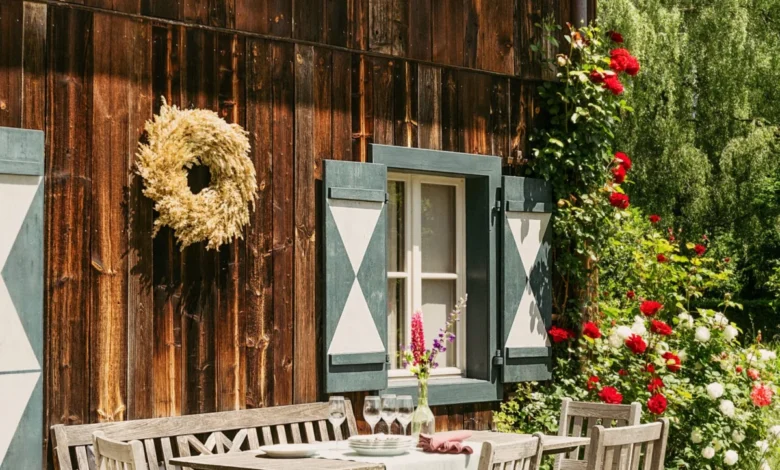
While modern consumers often view the wreath as a simple decorative accessory, its roots are deeply embedded in historical and cultural traditions. The circular shape, representing the cycle of seasons and the continuity of life, has been utilized by various cultures for millennia. In the context of autumn, the use of dried botanicals—such as wheat, magnolia leaves, and dried berries—was historically intended to celebrate the harvest and invite abundance into the home.
In the contemporary landscape, the fall wreath has transitioned from a rustic, DIY-centric craft to a sophisticated design element. Retailers now invest heavily in material science, utilizing high-quality faux silk, UV-resistant pigments, and preserved natural elements to ensure that these items can withstand the increasingly volatile weather patterns of the transition season.
.jpeg)
Market Trends and Consumer Preferences
The current market for autumnal decor is characterized by a push toward longevity and versatility. Consumers are increasingly moving away from disposable, low-quality plastic decorations in favor of items that can be transitioned from late summer through the Thanksgiving holiday. According to industry analysts, "transitional" palettes—those that blend deep, saturated tones like burgundy and plum with lighter, neutral textures like dried grasses and beige wheat—are outperforming traditional bright orange and yellow colorways.
This shift is reflected in the product offerings from major home retailers. For instance, the demand for "farmhouse" aesthetics has led to a surge in popularity for minimalist, textural wreaths that rely on natural materials like pheasant feathers and dried basil, rather than the heavily artificial, synthetic-looking options of the past.
.jpeg)
A Curated Selection of Seasonal Wreath Styles
To navigate the crowded marketplace, it is essential to understand the distinction between live, preserved, and artificial botanical designs. Each category offers unique benefits regarding aesthetics, maintenance, and durability.
The Farmhouse Harvest Aesthetic
For those seeking a classic, versatile look, the Joss & Main Artificial Farmhouse Harvest Wreath serves as an industry benchmark. By utilizing a mix of long grasses, wheat, and berries, this design captures the essence of the harvest without being overtly thematic. These pieces are often constructed with wire frames that allow for manual shaping, a feature that addresses the common consumer complaint of products arriving flattened from shipping.
.jpeg)
The Elegance of Live Magnolia
Live magnolia wreaths occupy a unique space in the market, acting as a bridge between high-end design and natural perishability. Because magnolia leaves are thick and waxy, they retain their structure even as they dry, turning a deep, rich bronze that fits perfectly with the late-autumn aesthetic. Experts in home styling suggest that live magnolia wreaths are ideal for those who prefer an organic, evolving decor piece rather than a static, permanent one.
Asymmetry and Bohemian Design
The modern design trend toward asymmetry has influenced wreath construction significantly. Pieces like the Pottery Barn Faux Golden Leaf & Berry Wreath abandon the traditional full circle in favor of sweeping, trailing branches. This design choice mimics the natural growth patterns of wild vines and offers a more contemporary, bohemian feel that breaks up the rigid lines of a standard door frame.
.jpeg)
Deep Tones and Gothic Influence
The rise of darker, moody interiors has prompted a move toward "gothic" autumnal accents. Wreaths featuring deep burgundy and eggplant-colored foliage, such as those produced by Balsam Hill, are trending for their ability to provide a dramatic contrast against light-colored siding or front doors. This aesthetic choice is particularly effective in northern climates where the autumn color palette tends to be more muted.
Thanksgiving and Harvest Tablescaping
Wreaths are no longer confined to the threshold of the home. Many decorators now utilize them as centerpieces for dining tables or as wall art in entryways. The Williams Sonoma Pheasant Feather Live Wreath is a prime example of this versatility. By incorporating natural textures like millet, flax, and real feathers, these pieces provide a tactile, sensory experience that enhances the atmosphere of holiday gatherings.
.jpeg)
Material Science and Preservation
One of the most critical factors for consumers is the longevity of their investment. Traditional dried florals are prone to crumbling and fading when exposed to direct sunlight or moisture. Modern preservation techniques, however, have revolutionized the field. By treating leaves with glycerin or specialized drying agents, manufacturers are now able to keep botanical wreaths looking "fresh" for several consecutive seasons.
For those opting for high-quality faux designs, the key to longevity lies in storage. Industry experts recommend investing in dedicated wreath storage bags—often made of heavy-duty, moisture-resistant polyester—and storing them in a climate-controlled environment, such as a closet, rather than a damp attic or garage. This simple step can extend the life of a premium wreath from two years to nearly a decade.

Strategic Placement for Maximum Impact
The placement of a wreath significantly impacts its longevity and visual appeal. While the front door is the traditional location, it is also the most exposed to the elements. For homeowners in regions with high humidity or frequent autumn rainfall, placing a wreath on a door that is protected by a porch or deep overhang is essential.
For those who live in apartments or homes without a sheltered entrance, placing the wreath indoors—on a mantel, a large mirror, or above a buffet—allows for the use of more delicate materials like dried lavender or fragile seed pods that would otherwise disintegrate outdoors.
.jpeg)
Economic and Environmental Implications
The home decor industry is currently facing pressure to adopt more sustainable practices. The rise of "fast decor"—cheap, mass-produced items that are discarded after one use—is being countered by a growing movement toward high-quality, reusable, or biodegradable options.
Consumers are increasingly checking product descriptions for sustainable materials and eco-friendly manufacturing processes. Products that utilize natural, biodegradable components like grapevine bases and dried, non-toxic botanicals are seeing higher consumer retention rates. Furthermore, the shift toward supporting artisanal, small-batch wreath makers via platforms like Etsy is a direct response to the desire for unique, sustainably sourced products.
.jpeg)
Conclusion: Curating Your Autumnal Welcome
The selection of an autumn wreath is an exercise in personal expression, reflecting the broader design language of the home. Whether choosing the understated elegance of a neutral, berry-filled grapevine wreath or the bold, dramatic impact of deep burgundy foliage, the goal remains the same: to create a sense of warmth and invitation.
As the season progresses, the trend toward thoughtful, high-quality decor suggests that the wreath will remain a vital element of the American home. By prioritizing quality materials, proper storage, and intentional placement, homeowners can curate an entryway that not only celebrates the current season but also serves as a lasting testament to their personal style. With the right selection, a well-chosen wreath can become a cherished part of the household’s annual transition into the cozy months of the year, welcoming guests with the timeless aesthetic of the harvest.