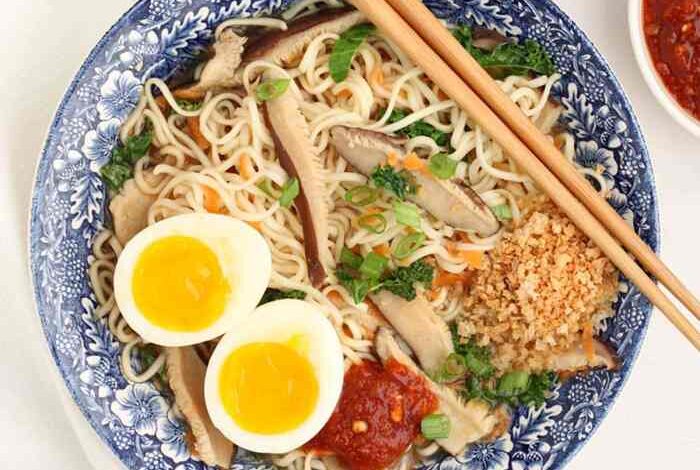
Quick easy homemade ramen sets the stage for this enthralling narrative, offering readers a glimpse into a story that is rich in detail with personal blog style and brimming with originality from the outset.
Forget the instant ramen packets and embrace the world of homemade ramen! It’s easier than you think, and the flavor is on another level. Whether you crave a comforting chicken broth or a vibrant vegetable-based ramen, this guide will walk you through creating delicious bowls of ramen from scratch.
Introduction to Quick & Easy Homemade Ramen
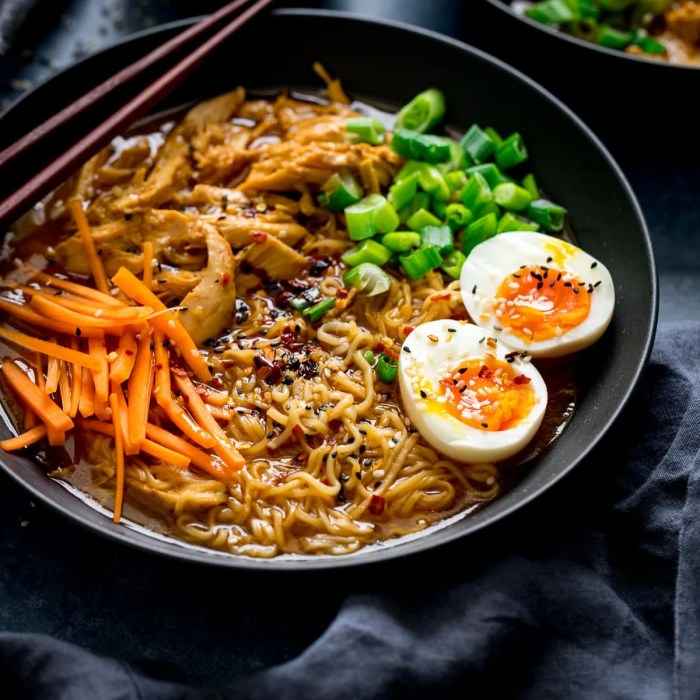
Ramen, a beloved Japanese noodle soup, has captured hearts and stomachs worldwide. While instant ramen provides a quick and convenient option, crafting your own ramen at home offers a rewarding culinary experience and allows you to customize flavors to your liking.
Homemade ramen provides a deeper connection to the dish, allowing you to control the ingredients and create a truly unique and flavorful bowl.
Sometimes, after a long day of whipping up a quick and easy homemade ramen, I crave a little inspiration. That’s when I turn to the cozy and inviting living room featured in elsies nashville bnb living room tour for a visual escape.
It reminds me that even the simplest things, like a steaming bowl of ramen, can be made extraordinary with a touch of warmth and comfort.
History of Ramen
Ramen’s history dates back to the 19th century when Chinese immigrants introduced wheat noodles to Japan. Over time, Japanese cooks adapted the noodles and broth, incorporating local ingredients and flavors. By the mid-20th century, ramen had become a staple food in Japan, with numerous regional variations and styles.
Today, ramen is enjoyed globally, with its popularity continuing to grow.
Choosing the Right Ramen Noodles
Selecting the right ramen noodles is crucial for a quick and easy recipe. Here are some tips:
- Fresh Ramen Noodles:These are the most common type of ramen noodles found in Asian grocery stores. They have a soft texture and are ideal for quick cooking. Fresh ramen noodles are typically sold in bundles and can be found in different thicknesses and shapes.
- Dried Ramen Noodles:These noodles are readily available at most supermarkets. They are shelf-stable and require rehydration before cooking. Dried ramen noodles are often used in instant ramen packs but can also be used in homemade ramen. They tend to be firmer than fresh noodles.
- Ramen Noodles for Specific Styles:Depending on the type of ramen you are making, you may need specific types of noodles. For example, Hakata ramen, a popular style from Fukuoka, Japan, uses thin, straight noodles that are cooked al dente. Other styles, such as Sapporo ramen, use thicker, curly noodles.
Essential Ingredients for Quick Ramen: Quick Easy Homemade Ramen
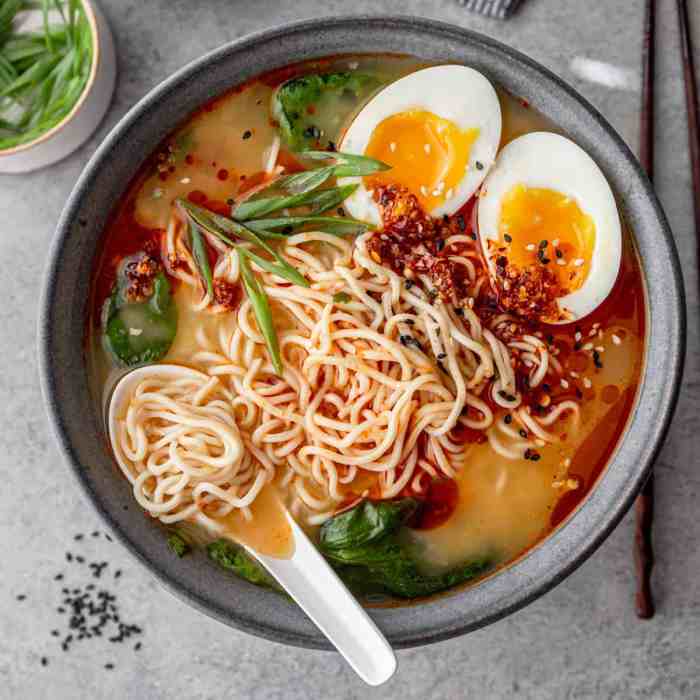
The foundation of any delicious ramen lies in its broth, which can be customized to your liking. To get started, you’ll need a few key ingredients that are easily accessible and can be tailored to create a variety of flavors.
Ramen Broth
Ramen broth is the heart and soul of the dish, and it’s what gives it its unique character. The most common types of ramen broth are:* Chicken Broth:This is a light and flavorful broth that’s perfect for beginners. You can make it from scratch with chicken bones, vegetables, and spices, or you can use store-bought chicken broth for convenience.
Pork Broth
This broth is rich and savory, with a deeper flavor than chicken broth. It’s often used in tonkotsu ramen, which is a popular style of ramen from Japan.
Vegetable Broth
This broth is a lighter and more vegetarian-friendly option. You can make it from scratch with vegetables like carrots, celery, and onions, or you can use store-bought vegetable broth.
Sometimes, the best meals are the simplest. Quick, easy homemade ramen is a perfect example – a comforting bowl of noodles, broth, and your favorite toppings. But while I’m enjoying my ramen, I can’t help but think about the state of social media, especially when it comes to probeat twitter should bantrump.
It’s a complex issue, but I believe we need to find a way to create a safer and more respectful online environment. Back to my ramen, though – I’m adding some fresh cilantro and a sprinkle of sesame seeds.
It’s the perfect way to end the day!
Ramen Toppings
Ramen toppings are what make this dish so versatile and customizable. Here are some common ramen toppings and their flavor profiles:* Meat:Sliced pork belly, chashu pork, ground pork, and chicken are popular choices. They add a savory and fatty flavor to the dish.
Seafood
Shrimp, crab, and fish are all popular ramen toppings. They add a briny and umami flavor to the dish.
Eggs
Soft-boiled eggs are a classic ramen topping. They add a creamy and savory flavor to the dish.
Vegetables
Spinach, bean sprouts, mushrooms, and bamboo shoots are all common ramen toppings. They add a fresh and crunchy texture to the dish.
Seaweed
Nori seaweed is a popular ramen topping. It adds a salty and umami flavor to the dish.
Sometimes, after a long day, the only thing I crave is a steaming bowl of quick and easy homemade ramen. It’s the perfect comfort food, and it’s always satisfying. Speaking of satisfying, porsche cars canada announces trevor arthur as its new president and ceo , which is exciting news for car enthusiasts in Canada.
I’m sure Mr. Arthur will bring a fresh perspective to the company. Anyway, back to my ramen, I love how customizable it is. You can add whatever toppings you like, from simple green onions to more elaborate ingredients like poached eggs or marinated mushrooms.
It’s truly a meal that can be adapted to your mood and taste.
Spices
Chili oil, sesame oil, and black pepper are all common ramen toppings. They add a spicy and aromatic flavor to the dish.
Ramen Variations, Quick easy homemade ramen
Here’s a table showcasing various ramen variations with different ingredients and flavor combinations:| Ramen Variation | Broth | Toppings | Flavor Profile ||—|—|—|—|| Shoyu Ramen| Chicken or Pork Broth | Chashu Pork, Nori Seaweed, Green Onions | Savory, Umami, Salty || Miso Ramen| Pork Broth | Chashu Pork, Corn, Bean Sprouts, Seaweed | Rich, Savory, Umami || Tonkotsu Ramen| Pork Broth | Chashu Pork, Green Onions, Black Pepper | Rich, Creamy, Fatty || Shio Ramen| Chicken Broth | Sliced Pork Belly, Spinach, Bamboo Shoots | Light, Salty, Savory || Spicy Ramen| Chicken or Pork Broth | Ground Pork, Bean Sprouts, Chili Oil | Spicy, Savory, Umami || Vegetarian Ramen| Vegetable Broth | Tofu, Spinach, Mushrooms, Seaweed | Light, Savory, Umami |
Quick & Easy Broth Recipes
Broth is the foundation of a great ramen. While you can buy pre-made broth, making your own is surprisingly easy and allows you to control the flavor profile. Here are two simple broth recipes that you can easily make at home.
Simple Chicken Broth
Chicken broth is a classic ramen base. It’s rich, flavorful, and can be made with just a few ingredients.To make a simple chicken broth, you will need:
- 1 whole chicken or chicken parts (about 3 pounds)
- 1 onion, quartered
- 2 carrots, roughly chopped
- 2 celery stalks, roughly chopped
- 1 teaspoon salt
- 1/2 teaspoon black pepper
- 8 cups water
Here’s how to make it:
- In a large stockpot, combine the chicken, onion, carrots, celery, salt, pepper, and water.
- Bring to a boil over high heat, then reduce heat to low and simmer for 1-2 hours, or until the chicken is cooked through.
- Remove the chicken from the pot and let it cool slightly.
- Once cool enough to handle, shred the chicken meat from the bones and discard the bones.
- Strain the broth through a fine-mesh sieve lined with cheesecloth or a clean kitchen towel, discarding the solids.
- Return the broth to the pot and bring to a simmer.
- Add the shredded chicken back to the broth, if desired.
The broth can be stored in the refrigerator for up to 3 days or frozen for up to 3 months.
Quick Vegetable Broth
Vegetable broth is a lighter and more flavorful option for ramen. It’s also a great way to use up leftover vegetables.To make a quick vegetable broth, you will need:
- 1 onion, chopped
- 2 carrots, chopped
- 2 celery stalks, chopped
- 1 teaspoon salt
- 1/2 teaspoon black pepper
- 8 cups water
Here’s how to make it:
- In a large stockpot, combine the onion, carrots, celery, salt, pepper, and water.
- Bring to a boil over high heat, then reduce heat to low and simmer for 30-45 minutes, or until the vegetables are tender.
- Strain the broth through a fine-mesh sieve lined with cheesecloth or a clean kitchen towel, discarding the solids.
- Return the broth to the pot and bring to a simmer.
The broth can be stored in the refrigerator for up to 3 days or frozen for up to 3 months.
Broth Flavor Profiles
Chicken broth has a rich, savory flavor that’s enhanced by the addition of vegetables. It’s a great base for ramen with bolder flavors, like spicy miso ramen or shoyu ramen.Vegetable broth has a lighter, more delicate flavor that’s perfect for ramen with milder flavors, like shio ramen or vegan ramen.
Tip:For a more complex flavor, add a tablespoon of soy sauce, fish sauce, or miso paste to your broth.
Mastering the Ramen Noodle
Ramen noodles are the heart and soul of any ramen bowl. Getting them just right is key to a truly satisfying experience. Whether you prefer them soft, chewy, or firm, mastering the art of cooking ramen noodles is a journey worth taking.
Achieving Different Noodle Textures
The texture of your ramen noodles depends largely on the cooking time.
- Soft Noodles:For a soft, almost melt-in-your-mouth texture, cook the noodles for the full time specified on the package, or even a few minutes longer. This is a good option if you prefer a more delicate noodle that easily absorbs the broth.
- Chewy Noodles:For a classic ramen experience, cook the noodles for a minute or two less than the package instructions. This will result in a noodle with a satisfying chew, perfect for holding up to the flavorful broth.
- Firm Noodles:If you like your noodles with a bit of bite, cook them for just a minute or two less than the recommended time. This will give you a firmer texture that holds its shape well.
Preventing Noodles from Sticking Together
Sticking noodles are a common problem, but there are a few simple tricks to prevent this:
- Use a Large Pot:Give your noodles plenty of room to move around in the pot. This will help prevent them from clumping together.
- Stir Regularly:Stir the noodles occasionally while they cook to ensure even cooking and prevent them from sticking to the bottom of the pot.
- Add a Splash of Oil:A small amount of oil, such as sesame oil or vegetable oil, can help prevent the noodles from sticking together.
- Rinse After Cooking:Rinsing the noodles under cold water after cooking will stop the cooking process and prevent them from sticking together. This is especially helpful if you’re not serving the noodles immediately.
Tips for Cooking Perfect Ramen Noodles
- Read the Package Instructions:Different brands of ramen noodles have different cooking times, so always check the package instructions for the most accurate information.
- Don’t Overcook:Overcooked noodles will become mushy and lose their flavor. It’s better to undercook them slightly and then finish them in the hot broth.
- Use a Timer:Set a timer to keep track of the cooking time, especially if you’re aiming for a specific texture.
- Taste Test:Before draining the noodles, taste one to ensure it’s cooked to your liking.
- Serve Immediately:For the best texture and flavor, serve the noodles immediately after cooking.
Building the Perfect Ramen Bowl
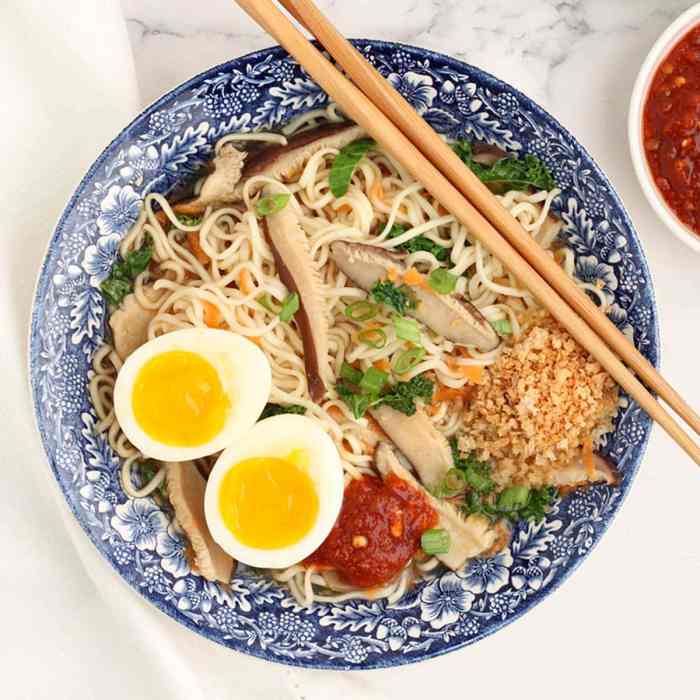
The final step in your ramen journey is assembling the perfect bowl. Think of it as an art form – each ingredient plays a role, and the arrangement is just as important as the flavors themselves. It’s not just about throwing everything in; it’s about creating a harmonious symphony of tastes and textures.
Ramen Topping Combinations
Choosing the right toppings is crucial to building a balanced ramen bowl. Here’s a table showcasing some popular combinations and their flavor profiles:
| Topping Combination | Flavor Profile |
|---|---|
| Pork Chashu, Soft-Boiled Egg, Nori Seaweed, Spring Onions, Bamboo Shoots | Savory, Rich, Umami-Forward |
| Spicy Ground Pork, Kimchi, Bean Sprouts, Sesame Seeds | Spicy, Fermented, Savory, Crunchy |
| Chicken, Corn, Spinach, Shiitake Mushrooms | Light, Earthy, Vegetarian-Friendly |
| Seafood (Shrimp, Scallops), Wakame Seaweed, Green Onions | Fresh, Briny, Umami-Rich |
Balancing Flavors and Textures
Ramen bowls are all about contrast. The key is to achieve a balance between:* Savory and umami:The rich broth provides a base, and toppings like pork chashu, seaweed, and mushrooms add depth and complexity.
Sweet and spicy
A touch of sweetness from corn or sugar in the broth can be balanced by spicy toppings like kimchi or chili oil.
Crunchy and soft
The noodles offer a soft texture, while toppings like bean sprouts, bamboo shoots, or crispy fried onions provide contrasting crunch.
Warm and cool
The hot broth is complemented by cool toppings like cucumbers, spring onions, or a refreshing egg.
Visual Guide to Arranging Toppings
The way you arrange your toppings is as important as the flavors themselves. Here’s a visual guide to create a visually appealing presentation:
1. Base
Start with a generous portion of noodles in the bowl.
2. Broth
Carefully pour the hot broth over the noodles.
3. Protein
Place your protein (pork chashu, chicken, or seafood) on top of the noodles.
4. Vegetables
Add colorful vegetables like spinach, corn, or bean sprouts around the protein.
5. Finishing Touches
Sprinkle on toppings like seaweed, spring onions, sesame seeds, or a soft-boiled egg. A drizzle of chili oil or soy sauce adds a final touch. Remember:Don’t be afraid to experiment with different combinations and arrangements. The beauty of ramen is its endless possibilities!
Variations and Customization
The beauty of ramen lies in its versatility. It’s a blank canvas for endless flavor combinations, allowing you to create bowls that perfectly reflect your taste preferences. Whether you’re seeking a fiery kick, a comforting vegetarian broth, or something entirely unique, there’s a ramen variation waiting to be discovered.
Ramen Variations, Quick easy homemade ramen
The base ramen recipe provides a solid foundation for exploring diverse flavor profiles. Here are some popular variations:
Spicy Ramen
Spicy ramen is a classic for a reason. The heat adds depth and complexity to the broth, making it both satisfying and invigorating.
- Chili Oil:A staple in spicy ramen, chili oil infuses the broth with a rich, smoky flavor and a pleasant heat. It’s often made with chili peppers, garlic, ginger, and Sichuan peppercorns.
- Gochujang:A Korean fermented chili paste, gochujang brings a unique umami flavor and a slow-burning heat to ramen. It’s often used in combination with other ingredients, such as soy sauce and sesame oil.
- Sriracha:A versatile hot sauce, sriracha adds a bright, tangy heat to ramen. It can be added directly to the broth or used as a topping.
Vegetarian Ramen
Vegetarian ramen offers a hearty and flavorful meal without any meat.
- Mushroom Broth:Shiitake, portobello, and cremini mushrooms create a rich and savory broth that is both satisfying and flavorful.
- Vegetable Broth:A combination of carrots, celery, onions, and other vegetables provides a light and refreshing broth.
- Tofu:Firm tofu adds a protein boost and a satisfying texture to vegetarian ramen. It can be marinated and pan-fried for added flavor.
Vegan Ramen
Vegan ramen is a delicious and ethical option for those following a plant-based diet.
- Vegetable Broth:Using vegetable broth ensures the entire dish is vegan-friendly.
- Soy Sauce:A staple in many vegan ramen recipes, soy sauce adds a salty and savory flavor to the broth.
- Vegan Ramen Noodles:Many brands offer vegan ramen noodles made from wheat or mung bean starch.
Beyond the Bowl
Ramen, a beloved Japanese dish, is often enjoyed as a complete meal, but its versatility allows for endless possibilities beyond the bowl. Adding complementary side dishes can enhance the flavors, textures, and nutritional balance of your ramen experience.
Ramen Side Dish Suggestions
Ramen is a delicious and satisfying meal, but pairing it with a few side dishes can create a well-rounded and enjoyable culinary experience. Here are some ideas for complementary side dishes that enhance the flavors and textures of your ramen.
- Gyoza:These pan-fried dumplings are a classic ramen companion, offering a savory and crispy contrast to the warm, comforting noodles. They come in various fillings, from pork and vegetables to shrimp and kimchi.
- Edamame:Steamed edamame pods, sprinkled with sea salt, provide a healthy and refreshing addition to your ramen meal. Their subtle sweetness and satisfying crunch complement the savory flavors of the broth and noodles.
- Spicy Kimchi:Fermented Korean cabbage, known for its tangy and spicy flavor, adds a burst of heat and complexity to your ramen. It can be served as a side dish or added directly to the bowl.
- Onigiri:These Japanese rice balls, filled with savory ingredients like tuna, salmon, or pickled plum, are a satisfying and portable snack that pairs well with ramen.
- Tempura:Deep-fried vegetables or seafood, such as shrimp, zucchini, or sweet potato, provide a crispy and flavorful counterpoint to the soft noodles.
Quick and Easy Ramen Appetizers
A simple appetizer can enhance the ramen experience. Here are some quick and easy recipes to prepare:
- Spicy Edamame:Steam edamame pods until tender. Toss with a mixture of soy sauce, sesame oil, chili flakes, and a pinch of sugar.
- Cucumber Salad:Thinly slice cucumbers and toss with a mixture of rice vinegar, sugar, and sesame oil. Garnish with toasted sesame seeds.
- Avocado Toast:Mash avocado with salt, pepper, and a squeeze of lime juice. Spread on toasted bread and top with a sprinkle of red pepper flakes.
Balancing a Ramen Meal
Ramen, while flavorful and satisfying, can be high in sodium and carbohydrates. To create a balanced meal, consider incorporating the following tips:
- Choose a lighter broth:Opt for a broth that is less salty and richer in vegetables, such as a vegetable-based broth or a lighter chicken broth.
- Add more vegetables:Incorporate a variety of vegetables, such as spinach, bok choy, mushrooms, and bean sprouts, to add fiber, vitamins, and minerals to your ramen.
- Include protein:Add a source of protein, such as tofu, chicken, or eggs, to create a more complete and satisfying meal.