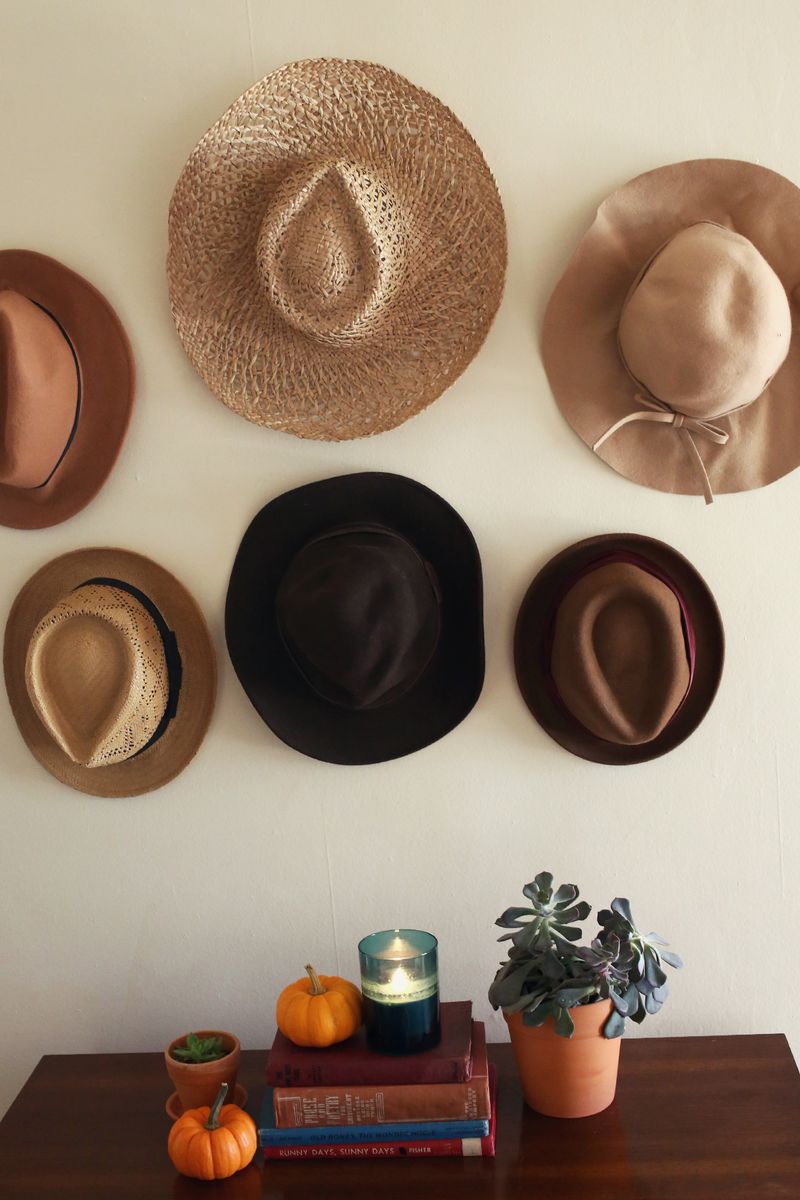

Hat as Art: Redefining Aesthetic Value in Contemporary Design
The concept of "art" has long been confined to canvases, sculptures, and galleries. However, a growing movement is challenging these traditional boundaries, proposing that everyday objects, elevated by design and craftsmanship, can hold equivalent aesthetic and cultural significance. This article explores the burgeoning phenomenon of "hats as art," examining how these functional headwear pieces transcend mere utility to become celebrated works of wearable sculpture, commanding attention, sparking conversation, and demanding a re-evaluation of where artistic merit resides. We will delve into the historical context of hat making, the emergence of artisanal millinery as a legitimate art form, the defining characteristics that elevate a hat to the status of art, and the ways in which collectors, designers, and critics are embracing this evolving paradigm.
Historically, hats have always possessed an element of adornment and social signaling. From the elaborate feathered creations of the Renaissance to the structured fedoras of the mid-20th century, headwear has been intrinsically linked to status, profession, and personal expression. However, these were largely dictated by prevailing fashion trends and societal norms. The transition from fashion accessory to artistic object is a more recent development, fueled by several converging factors. The rise of the "maker movement" and a renewed appreciation for traditional craftsmanship, coupled with a desire for unique and personal expressions in a mass-produced world, have created fertile ground for artisanal hat making to flourish. Milliners, once primarily seen as skilled craftspeople producing commercial goods, are increasingly recognized as artists, their studios evolving into workshops where creative vision and technical mastery converge. This elevation is not solely dependent on historical precedent; it’s a contemporary phenomenon rooted in the inherent qualities of the hats themselves and the context in which they are presented and appreciated.
The defining characteristics that distinguish a "hat as art" from a standard fashion item are multifaceted. Foremost among these is the uniqueness of concept and execution. Unlike mass-produced hats designed for broad appeal, artistic hats often stem from a singular creative vision. This might involve an exploration of a specific theme, a response to an environmental or social issue, or a pure abstract exploration of form and material. The execution is paramount, demanding an exceptional level of craftsmanship and technical skill. This goes beyond the neat stitching and well-finished seams of a good quality hat. It involves a deep understanding of materials, an innovative approach to construction, and a meticulous attention to detail that imbues the object with a sense of permanence and intention. Materials themselves play a crucial role. While traditional hat materials like felt and straw remain central, artistic milliners often incorporate unexpected and unconventional materials, such as recycled objects, natural elements, metal, resin, or even light, pushing the boundaries of what a hat can be made from and what it can communicate.
Form and sculptural quality are perhaps the most visually apparent indicators of a hat as art. Artistic hats often eschew traditional silhouettes, embracing exaggerated volumes, unconventional shapes, and daring architectural constructions. They become three-dimensional sculptures that interact with the wearer’s head and body in dynamic ways, commanding attention and prompting contemplation. This sculptural aspect is often amplified by the use of color and texture, which are employed not merely for aesthetic appeal but to evoke emotion, convey meaning, or enhance the overall narrative of the piece. The narrative or conceptual depth is a critical element. An artistic hat is rarely just a pretty object; it often carries a story, a message, or a deeper meaning that resonates with the viewer or wearer. This could be a reflection of the artist’s personal journey, a commentary on societal trends, or an homage to a particular art movement or historical period. Finally, the context of display and reception plays a significant role. When a hat is exhibited in a gallery, featured in an art publication, or discussed by critics in the same vein as a painting or sculpture, its status as art is solidified. This shift in perception, from accessory to artwork, is a powerful determinant of its artistic value.
The lineage of artistic hat making can be traced through various cultural traditions and historical periods, though the contemporary understanding of "hat as art" is distinctly modern. Indigenous cultures have long created headwear that is deeply imbued with spiritual significance, ceremonial importance, and intricate symbolic meaning, often executed with remarkable artistry and dedication to tradition. These pieces, while not necessarily conceived within a Western art market framework, undeniably possess profound artistic merit. In the Western world, the advent of haute couture in the late 19th and early 20th centuries saw milliners like Rose Bertin and later Suzanne Valadon create extravagant and sculptural pieces that were integral to the artistic ensembles of their time. However, these were still largely viewed through the lens of fashion. The true emergence of hats as independent art forms gained momentum in the latter half of the 20th century with designers who began to prioritize conceptual exploration and sculptural form over pure wearability. Artists like Isabella Beeton, though known for her domestic economy books, also offered intricate hat designs that hinted at the decorative potential of headwear. More directly, figures like Philip Treacy in the late 20th and early 21st centuries have become synonymous with avant-garde millinery, creating pieces that are as much sculptures for the head as they are accessories. His collaborations with fashion houses and his solo exhibitions have undeniably elevated the perception of the hat as a legitimate art object.
Contemporary milliners, often referred to as "millinery artists" or "hat artists," are pushing the boundaries of this discipline in exciting new directions. They are not merely replicating historical styles or following fleeting trends; they are engaging in a dialogue with art history, exploring new materials, and developing innovative techniques. For instance, some artists use 3D printing to create intricate, impossible-to-handcraft forms, blurring the lines between digital art and physical object. Others are incorporating sustainable and biodegradable materials, reflecting a growing environmental consciousness that is also prevalent in other art forms. The influence of surrealism, abstract expressionism, and even minimalist art can be seen in the bold forms and unexpected juxtapositions of materials found in many contemporary artistic hats. These artists often engage with the body of the wearer as a canvas, considering how the hat interacts with movement, posture, and the overall presence of the individual. The performance aspect of wearing such a hat is itself a form of artistic expression, making the hat not just a static object but an active participant in a larger artistic statement.
The appreciation and collection of hats as art are growing phenomena. Art galleries are beginning to feature millinery exhibitions, placing hats alongside paintings and sculptures, encouraging viewers to engage with them on an artistic level. Auction houses are seeing increasing interest in rare and historically significant or artistically groundbreaking hats. Collectors are not just acquiring them as fashion statements but as investments in wearable art, recognizing their potential for aesthetic and cultural value. This shift is also driven by the accessibility of such art. While a large-scale sculpture or painting might be out of reach for many, a meticulously crafted hat, while still a significant investment, can offer a more tangible and personal connection to artistic expression. This democratizes the art market to some extent, allowing for a broader engagement with the concept of art.
The SEO-friendly aspect of "hats as art" lies in its potential to capture search interest from individuals seeking unique decorative objects, innovative design, wearable sculpture, and artisanal craftsmanship. Keywords such as "designer hats," "couture millinery," "sculptural headwear," "artistic hats," "wearable art," "bespoke hats," "avant-garde millinery," and "artisan hat maker" are all highly relevant. The article’s structure, moving from historical context to contemporary practice and reception, allows for comprehensive keyword integration without feeling forced. The emphasis on defining characteristics – uniqueness, craftsmanship, materials, form, narrative, and context – provides a rich vein for search queries related to what makes a hat an art object. Furthermore, the exploration of specific designers and artistic movements indirectly supports searches for individual artists or stylistic influences.
The implications of accepting hats as art are far-reaching. It challenges our preconceived notions of what constitutes art and where we should look for it. It elevates a craft that has often been relegated to the periphery of the art world to a position of respect and recognition. It also fosters a greater appreciation for the skill, creativity, and vision of milliners. As the boundaries between fashion, craft, and fine art continue to blur, the hat stands as a compelling example of an object that can embody all three, offering a rich tapestry of aesthetic, cultural, and intellectual engagement. The future of hats as art is undoubtedly bright, with artists continuing to innovate and collectors increasingly recognizing their profound artistic merit. This evolving landscape promises to redefine our understanding of art and adornment, proving that sometimes, the most profound artistic statements can be worn. The deliberate choice of materials, the intricate construction, the boldness of form, and the conceptual underpinnings all contribute to an object that transcends its utilitarian purpose. This is not merely about creating a beautiful hat; it is about creating a statement, a conversation piece, a wearable sculpture that engages the viewer on multiple levels. The growing visibility of millinery artists in both the art and fashion worlds signifies a profound shift in how we perceive and value these extraordinary creations.
