Unlocking the Chinese Gaming Market: Trends, Opportunities, and Strategic Entry
The Chinese gaming market stands as the undisputed titan of the global industry, a colossal ecosystem characterized by rapid innovation, immense scale, and a fervent player base. Its sheer economic output, coupled with its influence on global gaming trends, makes it an essential focus for any developer or publisher aspiring to international success. Understanding the intricacies of this market is not merely beneficial; it is paramount for survival and growth. The landscape is dynamic, shaped by evolving player preferences, stringent regulatory frameworks, and the relentless march of technological advancement. Navigating this complex environment requires a deep dive into its core components, from the dominant platforms and genres to the cultural nuances that drive player engagement.
At its heart, the Chinese gaming market is a mobile-first dominion. The overwhelming majority of gamers access their favorite titles through smartphones, a trend amplified by the widespread availability of affordable, powerful devices and robust mobile internet infrastructure. This dominance dictates the design and monetization strategies of most games targeting the market. Casual and hypercasual games, with their short play sessions and accessible gameplay, thrive alongside more complex RPGs and strategy titles adapted for mobile play. The average Chinese consumer spends a significant portion of their leisure time and disposable income on mobile games, fostering a highly competitive environment where user acquisition costs can be substantial, but the potential return on investment is equally vast. Understanding the mobile ecosystem, including the intricacies of app store optimization (ASO) on platforms like the TapTap store, alongside the dominant official app stores (Tencent, Huawei, Xiaomi, etc.), is the foundational step for any market entry strategy.
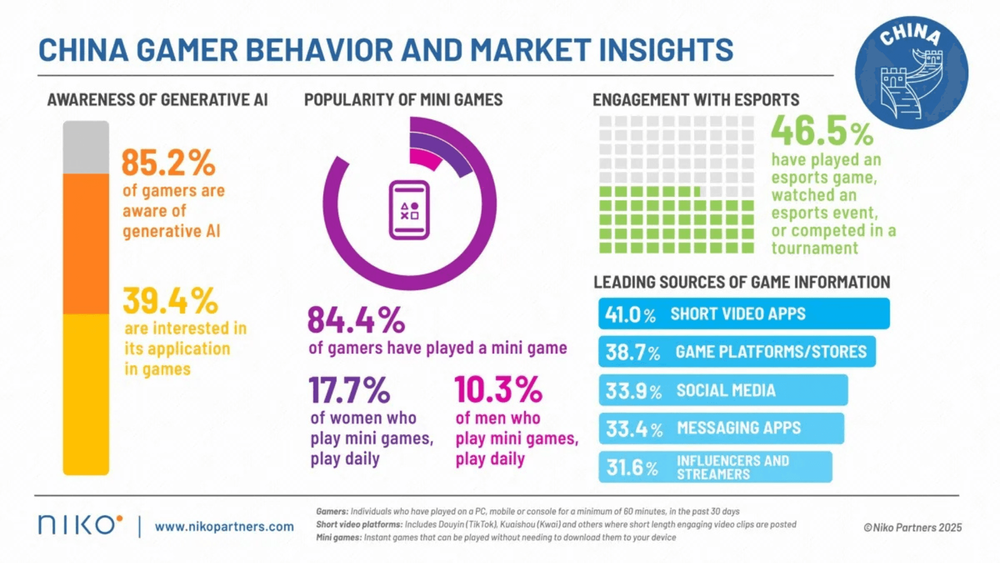
Beyond mobile, PC gaming retains a significant and passionate following, particularly in the esports realm and for more graphically demanding AAA titles. Platforms like Steam, while facing regulatory hurdles for direct access to certain content, remain a vital channel for many PC gamers, with Chinese publishers and distributors often creating localized versions or offering titles through specific regional storefronts. The rise of cloud gaming, though still in its nascent stages compared to mobile, presents a burgeoning opportunity, promising to democratize access to high-fidelity PC experiences on less powerful hardware, potentially broadening the PC gaming audience. Esports, in particular, is a cultural phenomenon in China, with professional leagues, star players, and massive viewership rivaling traditional sports. Games that foster competitive play and offer strong spectator appeal often find immense success, translating into significant revenue through in-game purchases, sponsorships, and media rights.
The regulatory environment is perhaps the most defining and often challenging aspect of the Chinese gaming market. The National Press and Goblin Administration (NPPA) plays a pivotal role, overseeing game approvals, content moderation, and the implementation of player protection measures, such as age restrictions and playtime limits for minors. Obtaining an ISBN (International Standard Book Number) for games is a mandatory and often lengthy process, requiring strict adherence to censorship guidelines that prohibit content deemed politically sensitive, excessively violent, or morally objectionable. This regulatory oversight necessitates a proactive approach to content localization and compliance, where developers must be acutely aware of cultural sensitivities and governmental directives from the initial stages of development. Early engagement with local legal counsel and understanding the nuances of the approval process can significantly mitigate delays and potential rejections.
Monetization models in China are heavily influenced by the Free-to-Play (F2P) paradigm, with in-app purchases (IAPs) being the dominant revenue stream. Loot boxes, gacha mechanics, and cosmetic microtransactions are commonplace. The concept of "pay-to-win" is often tolerated, though the line between progression-enabling purchases and overt advantages can be a delicate balance. Live service games, with their continuous content updates, seasonal events, and strong community engagement features, are particularly well-suited for the Chinese market. Building a loyal player base through ongoing support and community interaction is crucial for long-term success. Battle passes and subscription models are also gaining traction, offering a more predictable revenue stream and encouraging player retention. Understanding player psychology and their willingness to invest in digital goods is key to designing effective and ethical monetization strategies.
Cultural localization extends far beyond simple translation. It encompasses adapting art styles, narrative themes, character designs, and even gameplay mechanics to resonate with Chinese cultural values and preferences. Historical settings, mythological narratives, and popular folklore often serve as rich sources of inspiration for game developers. The appreciation for detailed character customization, intricate progression systems, and social features that facilitate group play and community building is also prevalent. Successful games often tap into emergent trends within Chinese internet culture, such as specific meme formats or popular social media challenges, to create viral marketing moments. Partnering with local influencers and streamers is an indispensable strategy for building awareness and driving player acquisition, leveraging their established audiences and trust.
The competitive landscape is dominated by domestic giants, primarily Tencent and NetEase. These companies possess not only vast financial resources and established distribution networks but also a deep understanding of the Chinese market and its players. Tencent, in particular, boasts an unparalleled ecosystem, encompassing social media platforms like WeChat and QQ, which serve as potent distribution and community-building tools for games. NetEase, while also a major player across various genres, has a strong reputation for developing high-quality RPGs and MMORPGs. Breaking into this market often involves strategic partnerships with these established players, either through licensing agreements, co-development deals, or leveraging their publishing services. This can provide access to their existing user base, marketing power, and invaluable market intelligence.
The rise of user-generated content (UGC) platforms and modding communities is another significant trend. Games that empower players to create their own content, such as custom levels, skins, or even entirely new gameplay modes, can foster exceptionally high levels of engagement and longevity. Platforms like Roblox and Minecraft have seen immense success in China, partly due to their UGC capabilities. Developers who can integrate tools or provide frameworks for UGC creation can tap into a powerful engine for organic growth and community development, turning players into active contributors to the game’s ecosystem.
Data analytics and player behavior monitoring are critical for understanding and optimizing game performance in China. The sheer volume of players generates vast amounts of data, which can be leveraged to refine gameplay, personalize player experiences, and identify new monetization opportunities. Tools and strategies for A/B testing, player segmentation, and churn prediction are essential for maintaining a competitive edge. Understanding key performance indicators (KPIs) specific to the Chinese market, such as daily active users (DAU), monthly active users (MAU), average revenue per user (ARPU), and retention rates across different player segments, is paramount for informed decision-making.
The global impact of Chinese gaming cannot be overstated. Games that achieve success in China often have the potential to break into other Asian markets and beyond. The technological innovations and monetization strategies perfected within the Chinese market frequently influence global industry best practices. Therefore, a strategic and well-researched approach to the Chinese gaming market is not just about capturing a massive revenue stream; it is about participating in and shaping the future of the global gaming industry. The complexities are undeniable, but the rewards for those who can effectively navigate them are extraordinary, offering a gateway to an unparalleled player base and a truly transformative gaming experience.

