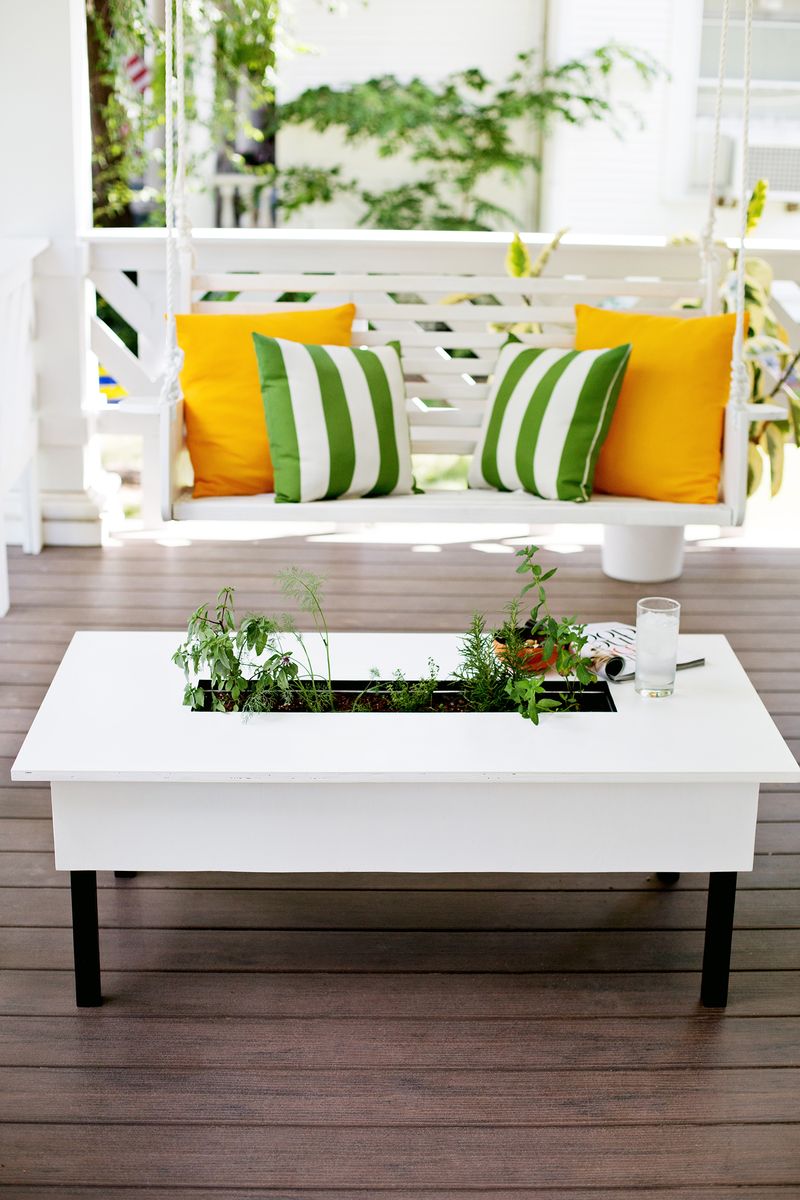

The Herb Garden Coffee Table: Cultivating Flavor and Fragrance in Your Living Space
The herb garden coffee table is a captivating fusion of functional furniture and living greenery, transforming an ordinary living room staple into a source of fresh ingredients and olfactory delight. This innovative design integrates a miniature herb garden directly into the structure of a coffee table, offering unparalleled convenience for home cooks and plant enthusiasts alike. The primary benefit lies in the immediate accessibility of fresh herbs for culinary use. Imagine plucking a sprig of basil for your pasta sauce or a few leaves of mint for a refreshing beverage, all without leaving your seating area. Beyond practicality, the visual appeal of a thriving herb garden at eye level adds a unique biophilic element to interior design, fostering a connection with nature and enhancing the overall ambiance of a room. The gentle rustling of leaves, the subtle fragrance released with a gentle touch, and the vibrant green hues contribute to a more serene and inviting atmosphere. The integration of a living element into a typically static piece of furniture injects dynamism and life into the home. This article will delve into the various facets of herb garden coffee tables, covering their design principles, materials, cultivation considerations, maintenance requirements, and the diverse benefits they offer, aiming to provide a comprehensive guide for anyone considering this unique addition to their home.
Design Variations and Structural Considerations
Herb garden coffee tables manifest in a multitude of designs, each catering to different aesthetic preferences and functional needs. The core concept typically involves a coffee table with a recessed area, container, or integrated planting system designed to house soil and herbs. Some designs feature a clear glass top, offering an unobstructed view of the garden below, while others incorporate removable planter boxes for easier access and maintenance. The size and depth of the planting area are crucial considerations, directly impacting the types of herbs that can be successfully grown. Deeper, wider compartments are necessary for herbs with more extensive root systems, such as rosemary or sage, while shallower sections can suffice for smaller herbs like chives or parsley.
Materials play a significant role in the durability, aesthetics, and functionality of a herb garden coffee table. Common choices for the table’s frame include wood (hardwoods like oak or maple for durability, or softer woods for a more rustic look), metal (steel or aluminum for a modern, industrial feel), and even acrylic or glass for a minimalist, contemporary aesthetic. The planter itself can be constructed from a variety of materials, including durable plastics, terracotta, ceramic, or even integrated into the table’s primary material. Water drainage is a paramount structural consideration. Effective drainage systems are essential to prevent root rot and ensure the health of the herbs. This often involves perforations in the planter, a layer of gravel or drainage material at the bottom, and a drip tray or reservoir to collect excess water. Some high-end designs incorporate self-watering systems, which further simplify maintenance and optimize water delivery. The overall stability and weight of the table are also important, especially when considering the added weight of soil, plants, and water.
Herb Selection and Planting Strategies
The success of a herb garden coffee table hinges on careful herb selection and strategic planting. The chosen herbs should ideally thrive in indoor conditions, requiring adequate light and relatively consistent watering. Popular choices for indoor herb gardens include basil, parsley, mint, chives, thyme, oregano, cilantro, and rosemary. Each herb has specific light and water requirements that must be taken into account. For instance, basil and cilantro generally prefer more sunlight and consistent moisture, while thyme and rosemary are more drought-tolerant and appreciate good drainage.
When planning the layout, consider the growth habits of different herbs. Prostrate-growing herbs like creeping thyme can be used to fill in gaps, while upright varieties like basil can provide vertical interest. Companion planting can also be beneficial, with certain herbs enhancing the growth or flavor of others. For example, basil is often said to improve the flavor of tomatoes, though in the context of a coffee table garden, this synergy is more about aesthetic and functional proximity.
Planting can be done from seeds or seedlings. Seedlings offer immediate visual impact and a head start on growth, while seeds provide a more cost-effective and potentially more rewarding cultivation experience. When planting, use a high-quality potting mix specifically designed for containers. This ensures good aeration and drainage, crucial for preventing root diseases. Avoid using garden soil, which can become compacted in a confined space and may harbor pests or diseases. The depth of the planting area should accommodate the root balls of the chosen herbs, with sufficient space for future growth.
Lighting Requirements and Solutions
Light is arguably the most critical factor for the successful cultivation of an indoor herb garden. Most culinary herbs require at least six hours of direct sunlight per day to thrive and produce flavorful leaves. In many living rooms, natural light may be insufficient, particularly during winter months or in north-facing spaces. Therefore, artificial lighting solutions are often a necessity.
Grow lights are an indispensable tool for herb garden coffee tables that lack adequate natural illumination. Full-spectrum LED grow lights are a popular and energy-efficient choice, mimicking the natural light spectrum that plants need for photosynthesis. These lights are available in various forms, including clip-on lights, integrated fixtures, and standalone units. The intensity and duration of light exposure are also important. Herbs generally benefit from 12-16 hours of light per day, with a period of darkness to mimic natural day-night cycles. Timers can be used to automate the lighting schedule, ensuring consistency.
Positioning of the coffee table relative to natural light sources is also key. Placing the table near a south-facing window, where it can receive the most intense sunlight, is ideal. However, direct, intense midday sun can sometimes scorch delicate leaves, so some consideration for sheer curtains or occasional repositioning might be necessary depending on the climate and season. For tables that are further from windows, strategically placed grow lights can compensate for the lack of natural light. The distance between the grow light and the plants should be adjusted to prevent burning while still providing sufficient illumination for robust growth.
Watering and Humidity Management
Proper watering and humidity management are fundamental to maintaining a healthy and productive herb garden coffee table. Overwatering is a common pitfall, leading to root rot and fungal diseases. Underwatering, conversely, can cause wilting, stunted growth, and a reduction in flavor. The key is to water when the top inch of soil feels dry to the touch. The frequency of watering will vary depending on the types of herbs, the temperature, humidity levels, and the season.
For herb garden coffee tables with integrated drainage systems, excess water should drain away freely. If the table has a solid base or a collection tray, it’s important to empty this regularly to prevent the roots from sitting in standing water. Self-watering systems can significantly simplify this process by delivering water directly to the roots as needed.
Humidity levels in indoor environments can often be low, especially in heated homes during winter. Herbs generally prefer moderate to high humidity. To increase humidity around the plants, consider placing the coffee table in a more humid area of the house, such as a kitchen or bathroom (if space and light permit). Misting the leaves with water periodically can provide a temporary boost in humidity, but this is not a substitute for adequate watering. Alternatively, placing a tray of pebbles filled with water near the plants (ensuring the pot is not directly in the water) can create a more humid microclimate as the water evaporates. Pebble trays are particularly effective when used in conjunction with grow lights, as the warmth from the lights accelerates evaporation.
Nutrient Management and Soil Health
Even with excellent watering and lighting, herbs require nutrients to grow and flourish. The potting mix used in a herb garden coffee table will initially contain some nutrients, but these will be depleted over time. Therefore, regular fertilization is necessary.
For herb gardens, it’s crucial to use a balanced liquid fertilizer that is specifically formulated for herbs or houseplants. These fertilizers typically contain nitrogen, phosphorus, and potassium (N-P-K) in ratios that promote healthy leaf growth. It’s important to follow the dilution instructions on the fertilizer packaging carefully. Over-fertilizing can burn the roots and damage the plants. Fertilizing every 4-6 weeks during the active growing season (spring and summer) is generally sufficient. During the dormant period (fall and winter), fertilization can be reduced or discontinued altogether.
Soil health is also paramount. The potting mix should remain light and airy to allow for root respiration and prevent compaction. Over time, soil can become depleted of organic matter and beneficial microorganisms. To maintain soil health, consider periodically top-dressing the soil with a thin layer of compost or worm castings. These organic amendments not only provide slow-release nutrients but also improve soil structure and microbial activity. If the soil appears compacted or depleted, it may be necessary to repot the herbs with fresh potting mix. This is also an opportunity to inspect the roots for any signs of disease or pests.
Pest and Disease Control
Indoor herb gardens, like any cultivated plants, can be susceptible to pests and diseases. Common pests include aphids, spider mites, whiteflies, and fungus gnats. These can be introduced from other plants, contaminated soil, or even through open windows. Regular inspection of the plants is the first line of defense. Look for any signs of infestation, such as tiny insects on the leaves or stems, sticky residue (honeydew), or webbing.
For minor infestations, manual removal of pests by wiping them off with a damp cloth or using a strong spray of water can be effective. Insecticidal soaps and neem oil are also excellent organic options for controlling common pests. These should be applied according to product instructions, typically in the evening or on a cloudy day to avoid leaf scorching.
Fungal diseases, such as powdery mildew, can occur in environments with poor air circulation and high humidity. Ensuring adequate ventilation, avoiding overwatering, and removing any affected leaves promptly can help prevent and manage fungal issues. If a plant is severely affected by a pest or disease, it may be best to isolate it to prevent spreading to other plants or, in extreme cases, discard it. Maintaining healthy, robust plants through proper care is the best preventative measure against pests and diseases.
Benefits Beyond the Culinary
While the primary allure of a herb garden coffee table is its culinary convenience, its benefits extend far beyond the kitchen. The presence of living plants in a living space, known as biophilic design, has been scientifically proven to reduce stress, improve mood, and enhance cognitive function. The visual appeal of lush greenery can create a more calming and inviting atmosphere, fostering a sense of tranquility. The subtle, natural fragrances emitted by fresh herbs can also contribute to a more pleasant and refreshing environment.
Furthermore, a herb garden coffee table serves as an educational tool, particularly for families with children. It provides a hands-on opportunity to learn about plant life cycles, the importance of sunlight and water, and the origins of the food we eat. The act of nurturing plants can also be a rewarding and therapeutic experience, offering a sense of accomplishment and a connection to the natural world. In smaller living spaces, a herb garden coffee table offers a way to incorporate greenery and a functional element without sacrificing valuable floor space. It’s a clever solution for urban dwellers or those seeking to maximize the utility of their furniture.
Conclusion
The herb garden coffee table is a sophisticated and practical addition to any modern home. It seamlessly integrates the beauty and utility of a living herb garden into a central piece of furniture, offering unparalleled convenience for culinary enthusiasts and a unique biophilic element for interior design. From the careful selection of herbs and the creation of optimal growing conditions with appropriate lighting and watering, to diligent nutrient management and pest control, the successful cultivation of an herb garden coffee table requires attention to detail. However, the rewards—freshly harvested herbs at your fingertips, a visually stunning focal point, and the enhanced well-being derived from living greenery—make this innovative furniture concept a truly worthwhile investment for any discerning homeowner. The herb garden coffee table transforms a functional object into a dynamic, sensory experience, enriching the home with both flavor and fragrance.
