As the global climate continues to shift at an unprecedented rate, the centuries-old traditions of viticulture are facing an existential crisis. From the drought-stricken valleys of Chile to the smoke-filled vineyards of Northern California and the frost-bitten hills of Champagne, winemakers are being forced to navigate a rapidly changing environment that threatens the consistency, quality, and very survival of their crops. However, a landmark study from Cornell University suggests that the path to adaptation may be paved by consumers themselves. The research indicates that wine drinkers are not only becoming aware of the climate challenges facing the industry but are increasingly willing to pay a price premium for wines produced through climate-resilient methods, even when those methods alter the traditional branding or regional identity of the product.
The New Reality of Global Viticulture
The wine industry serves as a "canary in the coal mine" for the broader agricultural sector due to the extreme sensitivity of wine grapes to temperature, water availability, and environmental stressors. In recent years, the frequency and intensity of extreme weather events have disrupted production in every major wine-growing region on Earth.
In Chile, winemakers are grappling with a "mega-drought" that has lasted more than a decade. This prolonged water scarcity has moved beyond a temporary seasonal challenge, forcing a fundamental rethink of irrigation infrastructure and water rights management. Meanwhile, in California, the threat is twofold: the direct destruction caused by wildfires and the more insidious problem of "smoke taint." When grapes are exposed to heavy smoke during the ripening period, volatile phenols can penetrate the skins, resulting in wines that taste of ash or medicinal chemicals—a profile that can render entire vintages unsellable.
Across the Atlantic, the Champagne region of France—famed for its cool-climate sparkling wines—is experiencing a paradox of warming. While warmer summers can lead to higher sugar levels, they also reduce the bracing acidity essential to the Champagne style. Furthermore, erratic spring weather has led to some of the worst frost years on record, where early budding followed by sudden freezes destroys potential yields. These disruptions have set the stage for a global industry in search of adaptive solutions.
The Cornell Study: Three Paths to Resilience
A new study published in the American Journal of Enology and Viticulture by researchers at Cornell University has identified and tested three primary strategies that producers can employ to combat rising temperatures. These strategies range from immediate physical interventions to long-term structural changes.
-
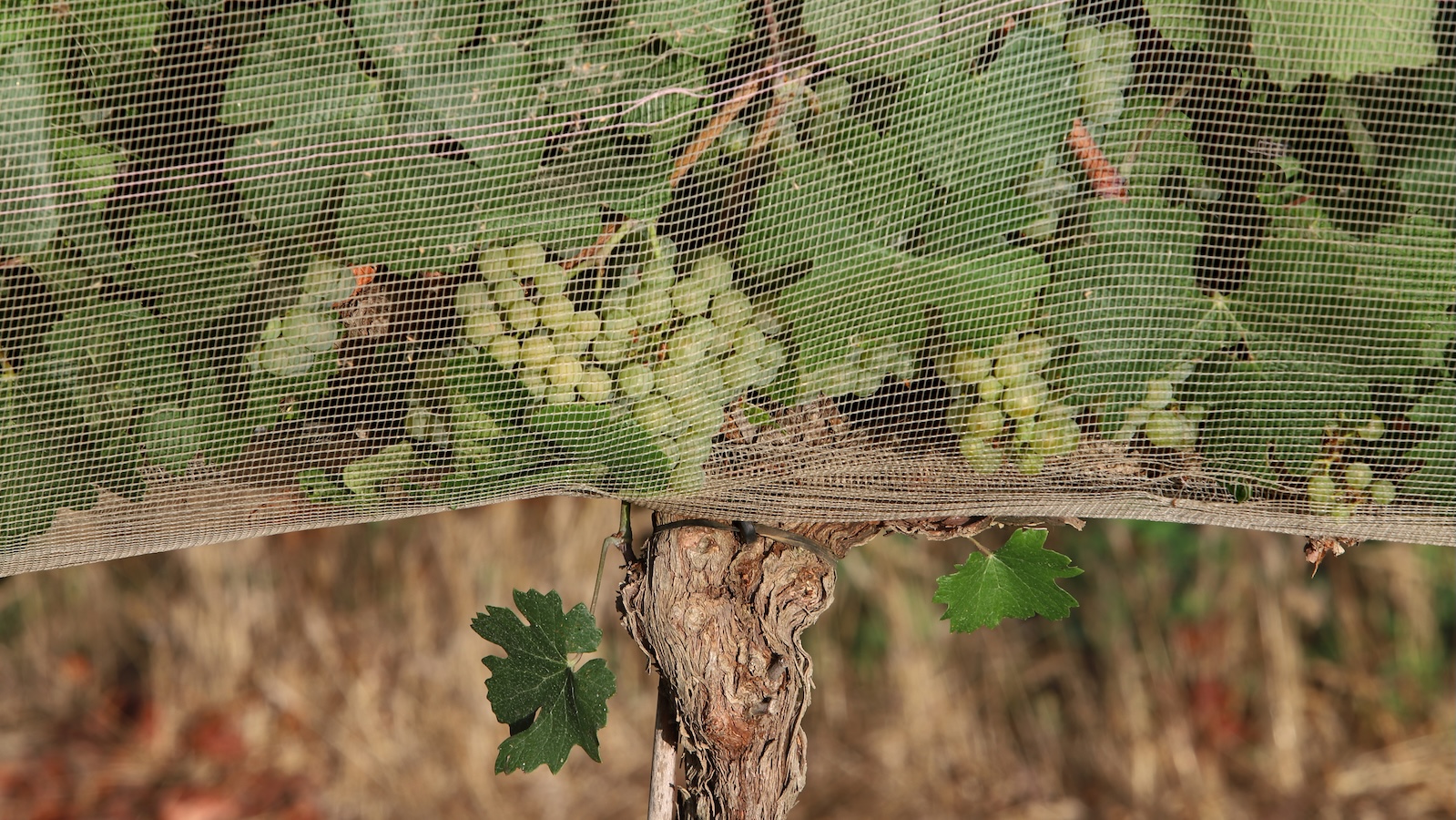
Infrastructure: The Installation of Shade Cloths
This method involves the use of specialized textiles to shield grape clusters from direct sunlight and excessive UV radiation. By reducing the temperature of the fruit zone, winemakers can prevent "sunburn" on the grapes and slow down the accumulation of sugars, allowing for a more balanced ripening process. This is the least disruptive strategy in terms of branding, as it does not change the grape variety or the location of the vineyard. -
Varietal Adaptation: Switching to Heat-Tolerant Grapes
The second strategy involves replacing traditional, well-known grape varieties with those better suited to hotter climates. For example, a vineyard in Napa Valley traditionally known for Cabernet Sauvignon might transition to Carignane or Mourvèdre—varieties that thrive in higher temperatures and maintain better acidity under heat stress. -
Geographic Relocation: Moving to Cooler Climates
The most radical option involves abandoning traditional regions altogether in favor of cooler latitudes or higher elevations. This might involve a producer moving operations from the established heat of Napa Valley to the cooler reaches of Lake County or even further north into Oregon and Washington.
The Cornell research team, led by Alex Susskind, a professor of food and beverage management, sought to determine how these changes would be perceived in the marketplace. "A producer can make all the changes in the world—but if they don’t resonate well with consumers, then it’s moot," Susskind noted. The study found that when the reasons for these changes—specifically climate adaptation—were clearly communicated on labels, consumers showed a significant willingness to pay more for the resulting wine.
Consumer Psychology and the Premium for Adaptation
The findings suggest a shift in consumer priorities. Historically, wine purchasing has been driven by "name-brand recognition" and "terroir"—the specific sense of place associated with a region like Napa or Bordeaux. The study revealed that while relocating a vineyard showed the "least desirability" among participants compared to shade cloths or new grapes, respondents were still willing to pay a premium for wines from relocated vineyards if they understood the move was a response to climate change.
This indicates that for a growing segment of the market, the narrative of sustainability and resilience is beginning to rival the traditional prestige of established appellations. The study focused on a demographic of roughly 300 participants, primarily college graduates under the age of 40 who reported an interest in environmental issues. While this group may not represent the entire global wine-buying public, it represents the future of the market—a cohort that prioritizes transparency and environmental stewardship.
Chronology of a Shifting Industry
The transition toward climate-resilient viticulture has followed a clear timeline of escalating urgency:
- 1990s–Early 2000s: Climate change was largely viewed as a distant threat. Some regions, such as the United Kingdom, began to see the potential for commercial viticulture as temperatures rose.
- 2010–2015: An increase in "unprecedented" events, including record heatwaves in Australia and early frosts in Europe, began to impact annual yields consistently.
- 2019–2021: Major regulatory bodies began to react. In 2021, the Institut National de l’Origine et de la Qualité (INAO) in France officially allowed Bordeaux producers to use six new heat-resistant grape varieties to combat warming.
- 2023–Present: Research institutions like Cornell and the University of California, Davis, have pivoted toward studying the economic and consumer-facing aspects of adaptation, recognizing that technical solutions must be paired with market viability.
Expert Analysis and Industry Reactions
The results of the Cornell study have been met with cautious optimism by industry experts. Jimena Balic, a winemaking researcher based in Chile, emphasized that the economics of adaptation are often the biggest hurdle for growers. "Winegrowers are not likely to invest in any adaptation strategies unless they are likely to pay off," Balic stated. She noted that the finding that consumers will pay a premium provides the necessary evidence for growers to justify the high costs of replanting or installing new infrastructure.
Balic also pointed out that adaptation is rarely a "one-size-fits-all" solution. "Wine risk is multifactorial," she explained, noting that a single vineyard might face drought, hail, and pests simultaneously. Adaptation will likely be implemented in a piecemeal fashion—using shade cloths in one block of land while testing new varieties in another.
Greg Jones, a world-renowned wine climatologist and CEO of Abacela Winery in Oregon, agreed that consumer education is the linchpin of this transition. "We have a system where the consumer is hard to read," Jones said. He suggested that the industry must do more to educate the public on how climate change affects the viticultural process. If consumers understand that a "Lake County Cabernet" is the result of a necessary move to preserve quality, they are more likely to support the brand through the transition.
Broader Impact and Future Implications
The implications of this research extend far beyond the laboratory. If consumers are truly willing to accept changes in grape varieties and regional origins, it could lead to a total redrawing of the global wine map. We are already seeing the rise of "new" wine frontiers in Southern England, Scandinavia, and even parts of Canada that were previously too cold for high-quality production.
However, there are significant challenges to this transition. The Cornell study acknowledged a possible "novelty factor," where consumers might initially pay more for a "climate-resilient" wine out of curiosity or a temporary sense of altruism, only for that willingness to fade over time. Furthermore, the study focused on adaptation—how to survive in a warming world—rather than mitigation, which involves reducing the carbon footprint of wine production itself (e.g., lighter glass bottles, solar-powered wineries, and regenerative soil management).
The long-term survival of the wine industry may depend on its ability to combine both strategies. As winemakers move to cooler ground or adopt new technologies, they must also ensure they are not contributing further to the very climate crisis they are fleeing.
Conclusion
The Cornell University study provides a glimmer of hope for an industry under siege. It suggests that the bond between the winemaker and the consumer is resilient enough to withstand the changes forced by a warming planet. By embracing transparency and communicating the necessity of adaptation, the wine industry may find that its customers are willing to join them on the journey toward a more sustainable and climate-hardy future. The "terroir" of the future may not just be about the soil and the sun, but about the human ingenuity and consumer support required to keep the vines growing in a changing world.