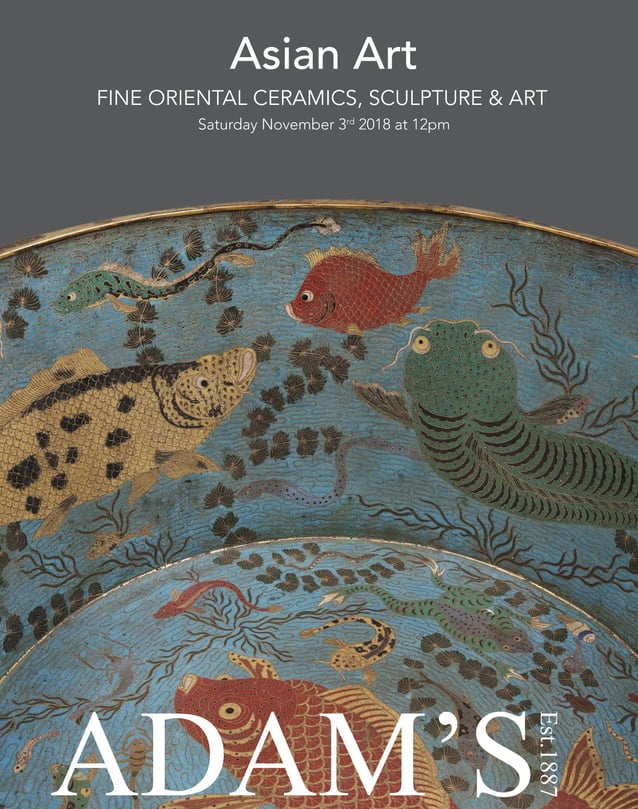
Adams Asian Art Viewing: A Deep Dive into the Latest Acquisitions and Trends
The recent Adams Asian Art viewing, a highly anticipated event for collectors, curators, and scholars alike, has once again illuminated the dynamic and ever-evolving landscape of Asian art. This year’s presentation, showcasing a diverse array of objects spanning centuries and geographies, offers a compelling narrative of artistic innovation, cultural exchange, and discerning connoisseurship. From the delicate brushstrokes of ancient Chinese calligraphy to the vibrant pigments of contemporary Japanese prints, the viewing provides an invaluable opportunity to engage with artifacts that not only possess significant aesthetic merit but also hold deep historical and cultural resonance. The selection, meticulously curated by Adams’ team of experts, underscores a growing interest in not only traditional masterpieces but also in overlooked regions and periods, reflecting a broader shift in the global appreciation of Asian artistic heritage. This article delves into the key themes, standout pieces, and emerging trends observed during the Adams Asian Art viewing, providing an in-depth analysis for those seeking to understand the current pulse of this vital market.
A significant focal point of this year’s Adams Asian Art viewing has been the sustained interest in Chinese ceramics, particularly those from the Song Dynasty. The quiet elegance and technical mastery of Song wares continue to captivate collectors worldwide. Pieces like the featured Jun ware vase, with its ethereal blue glaze and subtle crackle, exemplify the period’s emphasis on natural beauty and sophisticated craftsmanship. The glaze, a result of precise firing techniques and carefully selected mineral components, achieves a depth and luminosity that remains unparalleled. Beyond Jun ware, the viewing included examples of Ding, Ru, and Guan ceramics, each representing a distinct aesthetic and technical lineage within this pivotal era of Chinese pottery. The subtle variations in form, glaze color, and firing imperfections are not merely defects but integral aspects of their unique character and value, speaking volumes about the individual artisan’s touch and the kiln’s specific environment. The enduring appeal of these ceramics lies in their ability to convey a sense of profound tranquility and timeless beauty, qualities that resonate deeply in today’s often chaotic world. Furthermore, the historical significance of these pieces as diplomatic gifts, imperial treasures, and vessels for scholarly contemplation adds layers of intellectual engagement for collectors. The rarity of well-preserved Song Dynasty ceramics, coupled with their undeniable aesthetic appeal, ensures their continued prominence in the high-end art market. The viewing offered a rare opportunity to assess the condition, provenance, and market valuation of these highly sought-after objects, providing crucial insights for informed acquisition strategies. The discerning eye of collectors is increasingly drawn to the subtle nuances that differentiate exceptional pieces, such as the precise potting, the evenness of the glaze, and the absence of significant flaws.
The Japanese art component of the Adams viewing showcased a rich tapestry of styles and periods, with a particular emphasis on ukiyo-e prints and the intricate artistry of samurai swords. The ukiyo-e prints, often referred to as "pictures of the floating world," offered a vivid glimpse into the Edo period’s popular culture, depicting scenes of kabuki actors, courtesans, landscapes, and daily life. The vibrant colors, bold outlines, and dynamic compositions of artists like Hokusai, Hiroshige, and Utamaro continue to hold immense appeal. The viewing featured several rare and exceptionally well-preserved woodblock prints, highlighting the skill of both the artist and the carver and printer. The meticulous attention to detail in rendering facial expressions, the flow of kimonos, and the atmospheric effects of landscapes is a testament to the collaborative nature of this art form. Beyond their aesthetic beauty, these prints serve as invaluable historical documents, offering insights into social customs, fashion trends, and the urban landscape of Edo-period Japan. The enduring popularity of ukiyo-e stems from its accessibility, its narrative qualities, and its ability to capture fleeting moments of beauty and emotion. Collectors are drawn to the rarity of certain editions, the condition of the paper, and the vibrancy of the pigments, all of which contribute to their market value. The presence of iconic works alongside lesser-known but equally significant pieces provided a comprehensive overview of the ukiyo-e tradition.
The samurai swords, or nihontō, presented a stark contrast to the ephemeral beauty of prints, embodying a different facet of Japanese artistic and cultural heritage. These weapons are not merely instruments of war but are considered masterpieces of metallurgy, craftsmanship, and spiritual significance. The viewing included several exceptionally crafted katana and wakizashi, showcasing the smith’s mastery in forging steel, creating complex temper lines (hamon), and designing intricate fittings (koshirae). The mesmerizing patterns on the blade, known as hada, are a result of the folding and hammering process, each carrying a unique fingerprint of the smith’s technique. The hamon, the visible line separating the hardened edge from the softer spine, is often a work of art in itself, with intricate patterns that denote the smith’s skill and the sword’s lineage. The koshirae, the decorative mountings, often feature elaborate carvings, lacquering, and inlay work, further elevating the sword from a weapon to a treasured object of art. The historical context of these swords, as symbols of samurai honor, status, and martial prowess, adds a profound dimension to their appreciation. The viewing provided an opportunity to examine the blades for their curvature, balance, and the quality of the steel, as well as to appreciate the artistry of the fittings, which can include exquisite tsuba (handguards), fuchi and kashira (collar and pommel caps), and menuki (ornamental pommel inserts). The provenance and historical significance of each sword, often linked to renowned smiths or historical figures, further enhance their desirability and value.
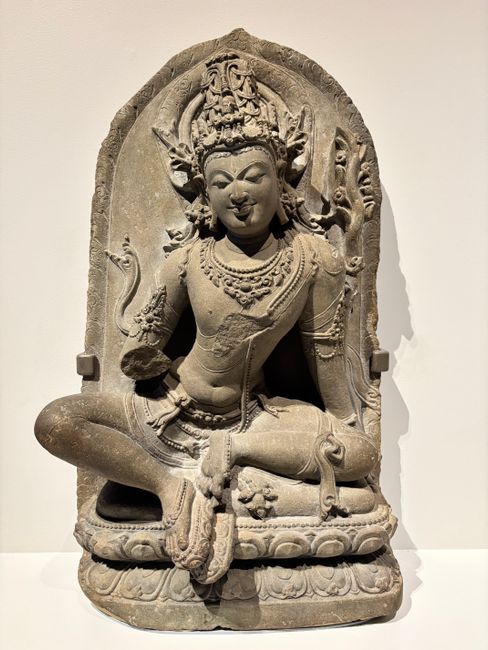
The realm of Southeast Asian art was also prominently featured, with a particular focus on Khmer and Thai sculpture. The powerful and serene depictions of deities and royalty from these cultures are increasingly attracting international attention. The viewing included several exemplary pieces of Khmer bronze sculpture, characterized by their graceful postures, elaborate ornamentation, and serene expressions. The technical skill involved in casting these figures, often life-sized, is remarkable, showcasing an advanced understanding of metallurgy and artistic representation. The smooth patina, achieved over centuries of exposure and handling, adds a tactile quality and a sense of age to these ancient artifacts. Similarly, Thai Buddhist sculptures, ranging from early Dvaravati period figures to later Sukhothai and Ayutthaya styles, demonstrated a progression of artistic conventions and religious iconography. The viewing highlighted the subtle differences in facial features, drapery styles, and symbolic gestures that characterize these distinct periods. The serene countenances and meditative postures of these sculptures evoke a sense of spiritual tranquility and enduring faith. The growing interest in Southeast Asian art reflects a broader appreciation for the region’s rich cultural heritage and its unique artistic traditions, which often draw influences from Indian religious and artistic philosophies while developing distinct local characteristics. The rarity of well-preserved examples, coupled with their intrinsic aesthetic and spiritual value, positions these works as increasingly important acquisitions for discerning collectors.
Beyond traditional categories, the Adams Asian Art viewing also underscored a burgeoning interest in contemporary Asian art, with a particular emphasis on emerging artists and innovative mediums. This segment of the viewing offered a stark and exciting contrast to the historical pieces, showcasing the dynamism and forward-looking nature of artistic expression from across the continent. The presentation included a compelling selection of paintings, sculptures, and mixed-media installations that explored contemporary social, political, and cultural themes. Artists from China, South Korea, India, and the Philippines were represented, each bringing a unique perspective and artistic vocabulary to the forefront. The use of bold colors, unconventional materials, and conceptually driven narratives characterized many of these contemporary works. For instance, a series of abstract paintings by a young Chinese artist explored themes of urbanization and environmental change through vibrant palettes and energetic brushwork. Elsewhere, a mixed-media installation by a South Korean artist questioned the impact of technology on human relationships, employing found objects and digital projections to create an immersive and thought-provoking experience. The growing international recognition of contemporary Asian artists is a testament to their ability to engage with global issues while drawing upon their distinct cultural backgrounds. The viewing provided a crucial platform for collectors and institutions to discover and acquire works by these rising talents, offering a glimpse into the future of Asian art. The market for contemporary Asian art is characterized by its rapid evolution, its embrace of new technologies and ideas, and its potential for significant long-term growth.
The provenance and condition of artworks are paramount in the Asian art market, and the Adams viewing provided ample opportunities to examine these critical factors. Each object was accompanied by detailed provenance records, tracing its ownership history back through generations of collectors, dealers, and sometimes even its original commission or discovery. This meticulous documentation is essential for establishing authenticity, understanding the object’s historical journey, and assuring buyers of its legitimate origin. The condition reports, prepared by Adams’ expert conservators, provided a thorough assessment of each piece’s physical state, noting any repairs, restorations, or signs of age-related wear. For historical artifacts, a certain degree of wear or minor imperfections can be acceptable and even contribute to an object’s narrative and authenticity. However, significant damage or poorly executed restorations can dramatically impact an artwork’s value and desirability. The transparency in presenting both provenance and condition is a cornerstone of trust in the high-end art market and was a hallmark of the Adams Asian Art viewing. Buyers were empowered with comprehensive information, enabling them to make informed decisions based on both aesthetic appeal and investment potential. The ability to discern the subtle signs of expert conservation versus intrusive restoration is a skill honed by experienced collectors and advisors, and the detailed information provided at the viewing facilitated this critical evaluation.
In conclusion, the Adams Asian Art viewing has once again reinforced the profound depth, diversity, and enduring appeal of Asian artistic traditions. From the refined elegance of Song ceramics to the cutting-edge innovation of contemporary artists, the objects presented offer a compelling narrative of human creativity and cultural exchange. The sustained interest in traditional masterpieces, coupled with the burgeoning appreciation for emerging artists and less-explored regions, signals a dynamic and expanding global market. For collectors, curators, and scholars, the viewing serves as an indispensable barometer for current trends, offering invaluable insights into the aesthetic sensibilities, historical narratives, and market forces shaping the world of Asian art. The meticulous curation, the detailed provenance, and the expert condition assessments underscore the integrity and seriousness with which these cultural treasures are handled, ensuring their continued appreciation and preservation for future generations. The ability to engage directly with such a breadth of significant works provides an unparalleled educational and collecting experience, solidifying the Adams Asian Art viewing as a pivotal event in the global art calendar. The ongoing dialogue between tradition and innovation, East and West, past and present, continues to animate the field of Asian art, promising further exciting developments in the years to come.

