
This systemic disparity is reigniting a national conversation about the intersection of climate risk, financial regulation, and the long-standing legacy of discriminatory housing practices. The findings suggest that while the era of overt, legally sanctioned redlining may have ended in 1968 with the passage of the Fair Housing Act, the modern insurance market may be perpetuating similar outcomes through algorithmic biases and geographic risk assessments.
The Scope of the Financial Disparity
The CFA report, published in July 2026, analyzed identical insurance policies across various demographics to isolate the impact of race and neighborhood composition on premiums. By stripping away variables related to the physical attributes of the homes—such as age, square footage, and specific building materials—the researchers were able to highlight a stark reality. Homeowners in predominantly Hispanic ZIP codes are paying, on average, 30 percent more annually for coverage than homeowners in predominantly white communities, which translates to roughly $950 extra per year. For homeowners in predominantly Black ZIP codes, the average annual surcharge is 16 percent, or approximately $500.
When extrapolated over the life of a standard 30-year mortgage, these costs represent a massive wealth transfer. For a family in a Hispanic-majority neighborhood, the cumulative additional cost amounts to at least $28,500. For those in Black-majority neighborhoods, the figure reaches $15,000. These figures represent a significant barrier to wealth accumulation and homeownership retention in communities that have historically been excluded from federal mortgage programs and capital investment.
A Historical Context: From Redlining to Algorithmic Bias
To understand the current crisis, one must look at the structural history of American housing. The practice of "redlining"—the systematic denial of services, particularly mortgages and insurance, to residents of specific, often racially defined neighborhoods—was a cornerstone of 20th-century urban planning. Although the Fair Housing Act and subsequent regulations effectively dismantled the legal framework for redlining, the economic scars remain visible.
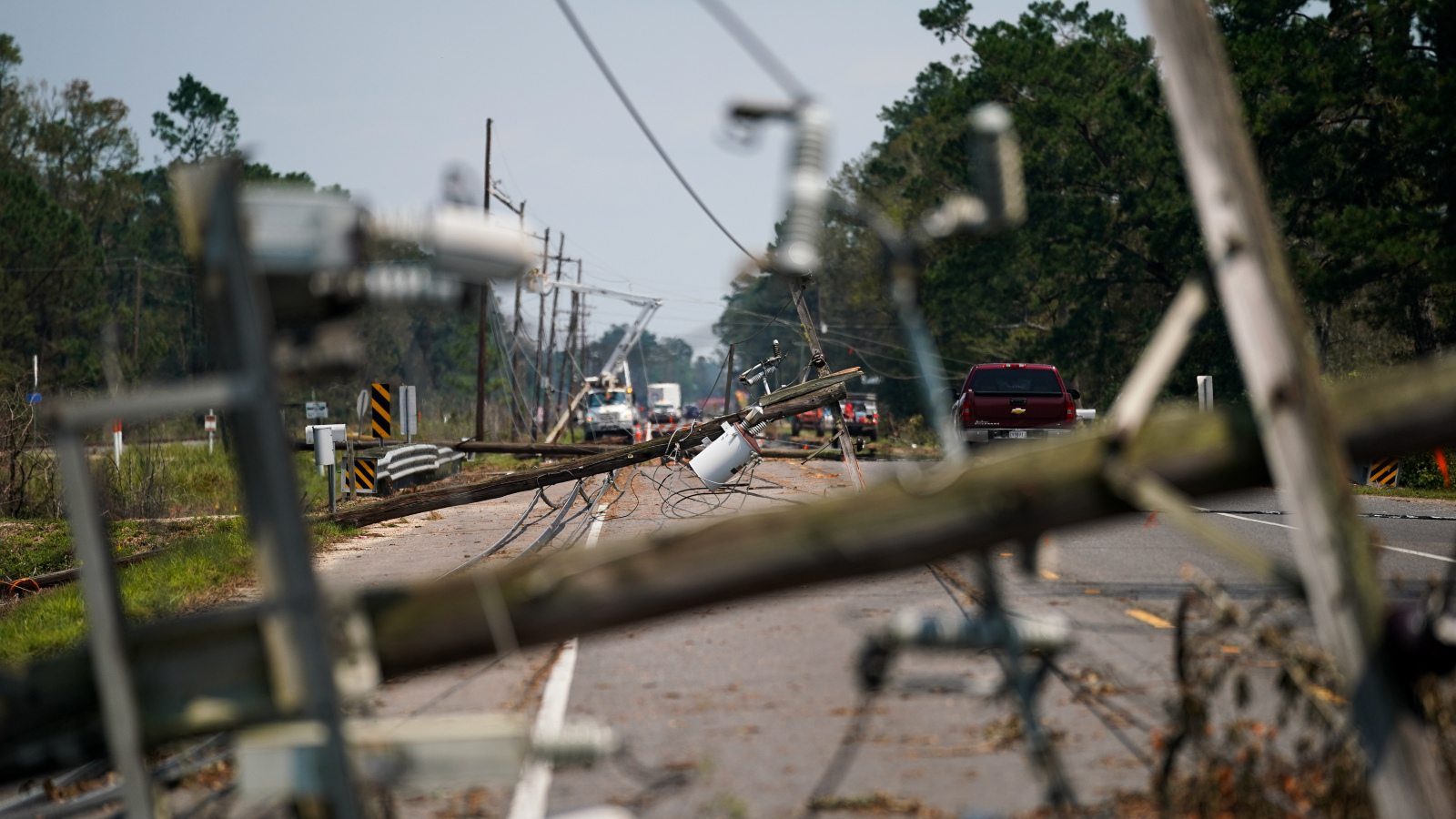
These neighborhoods were historically deprived of public investment in infrastructure, such as modern storm drains, robust utility grids, and green spaces. Today, these same areas often suffer from the "urban heat island" effect and are less resilient to flooding and wind damage. Critics argue that when insurance companies assess "risk," they are inadvertently baking these historical disadvantages into current rates.
However, the mechanism of this discrimination has evolved. In the 1990s, high-profile lawsuits against major insurers like Nationwide and American Family Mutual Insurance Company revealed that some companies were actively steering agents away from Black neighborhoods or using racial profiling to deny coverage. Today, the challenge is more subtle. Insurers have transitioned to complex, proprietary models that utilize artificial intelligence and big data to predict future claims. If these models incorporate data points that correlate strongly with race—such as credit scores or proximity to older, neglected infrastructure—they may produce racially disparate results even if race itself is not an explicit variable in the code.
The Geography of the Crisis: State-Level Analysis
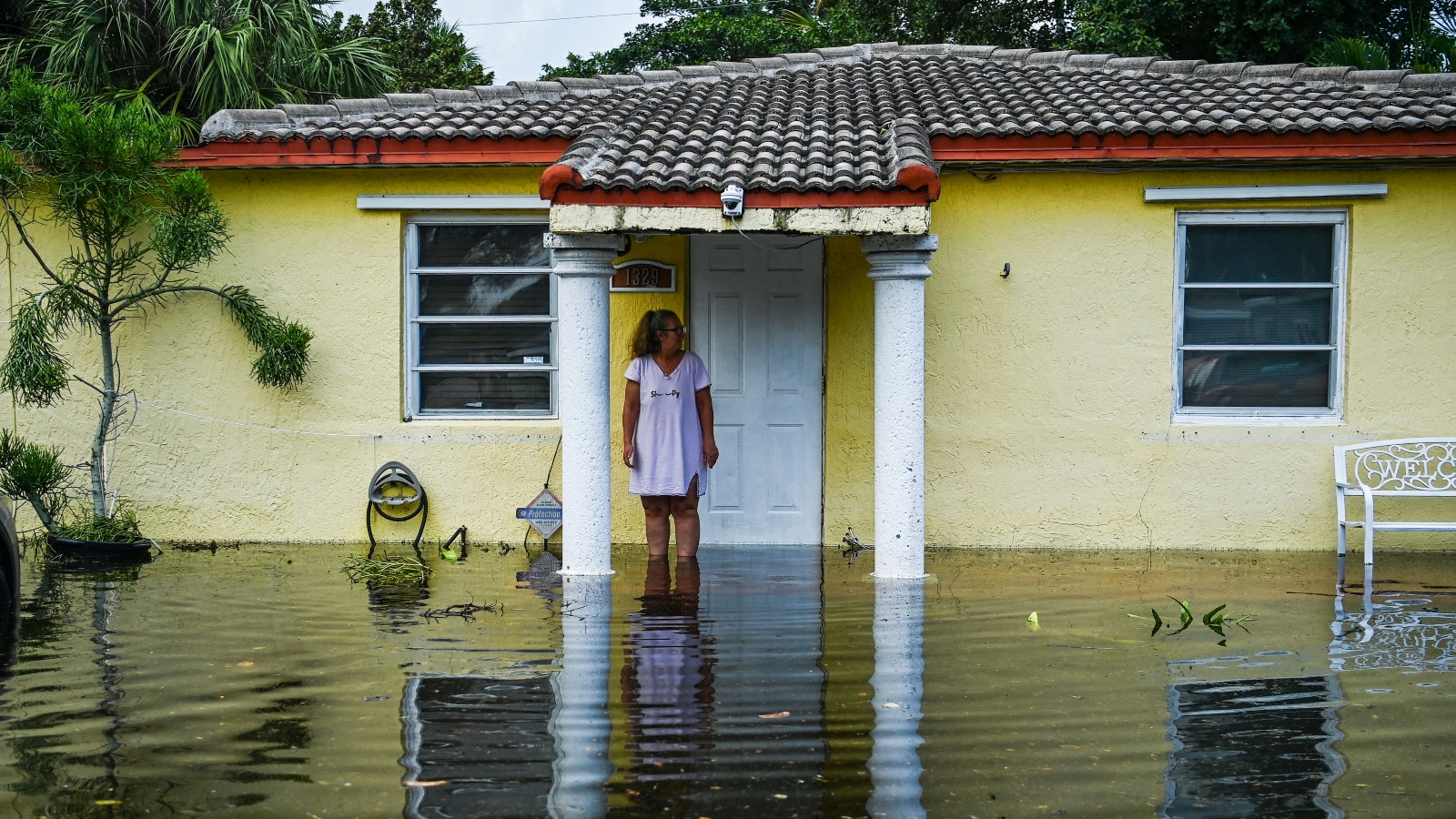
The impact of these premium disparities is not uniform across the country; it is concentrated in states facing acute climate pressures. Florida, currently the epicenter of the American insurance crisis due to its vulnerability to hurricanes and rising sea levels, demonstrates the most dramatic inequities. In Florida, homeowners in predominantly Hispanic ZIP codes pay 58 percent more for the same coverage as those in white communities, amounting to an annual premium difference of $5,014.
Other states show similar patterns of divergence. In New York, the premium gap for Hispanic-majority neighborhoods stands at 20 percent, while in Washington, Massachusetts, and Kansas, the disparities range from 15 to 18 percent.
For Black homeowners, the disparities are most acute in the Midwest and Northeast. Michigan tops the list, with Black homeowners paying 74 percent more—an average of $1,768 annually—than their counterparts in white-majority ZIP codes. Pennsylvania follows at 57 percent, while New Jersey, Massachusetts, and New York all report double-digit percentage gaps.
Industry Perspective and Regulatory Defenses
The insurance industry maintains that its pricing models are objective, actuarially sound, and heavily regulated. Mark Friedlander, a spokesperson for the Insurance Information Institute, noted that using race as a rating factor is strictly prohibited by law in every U.S. jurisdiction.
"State insurance regulators review and approve the rating factors insurers use precisely to guard against discriminatory practices," Friedlander stated. "Many of the communities cited in these reports are located in areas with objectively higher catastrophe exposure or higher costs to rebuild and repair after a loss."
The industry’s position is that premiums are a function of risk exposure. If a neighborhood has been historically underserved, the resulting lack of resilient infrastructure makes it objectively more expensive to insure. From this perspective, the solution is not to mandate lower rates—which could lead to insurance companies abandoning these markets entirely—but to invest in large-scale mitigation efforts, such as strengthening building codes and funding infrastructure upgrades.
The Role of Credit Scoring and AI
A critical point of contention is the use of credit scores as a proxy for insurance risk. The CFA has previously documented that homeowners with lower credit scores pay an average annual penalty of nearly $2,000 for home insurance. Because systemic barriers have historically depressed credit scores in Black and Hispanic communities, critics argue that the reliance on credit-based insurance scores creates a "feedback loop of poverty."
Sharon Cornelissen, director of housing at the Consumer Federation of America, emphasizes that the issue may not be intentional malice, but a lack of oversight regarding the "unequal impacts" of AI-driven models. "A lot of this bias can creep in if they’re not paying attention to potential unequal impacts," Cornelissen said. "When you rely on proprietary AI models, you lose transparency. It becomes nearly impossible for regulators or the public to audit the system for hidden biases."
Implications for Future Policy
The implications of this report extend beyond simple economics; they strike at the heart of climate justice. If low-income communities of color are priced out of the insurance market, they lose their ability to recover from disasters, leading to displacement, the erosion of local property values, and the acceleration of the cycle of poverty.
Advocates like Moira Birss of the Climate and Community Institute argue that the current situation is "unconscionable." There is a growing call for state insurance departments to demand greater transparency from insurers, specifically regarding how they calculate risk in historically marginalized areas. Some policy experts suggest that if insurers cannot prove their models are free of disparate impact, they should be required to adjust their algorithms or face strict regulatory intervention.
As climate change continues to intensify, the pressure on the insurance market will only increase. The question for policymakers is whether they will allow the market to dictate the terms of climate resilience—which current data suggests will favor wealthy, white neighborhoods—or whether they will implement aggressive, systemic reforms to ensure that the costs of a changing climate do not fall disproportionately on the shoulders of the most vulnerable.
The path forward likely requires a multi-pronged approach: increased public funding for local climate mitigation, a tightening of state regulatory oversight on proprietary AI models, and a broader recognition that the insurance crisis is not merely a technical issue of risk management, but a civil rights issue that demands urgent federal attention.