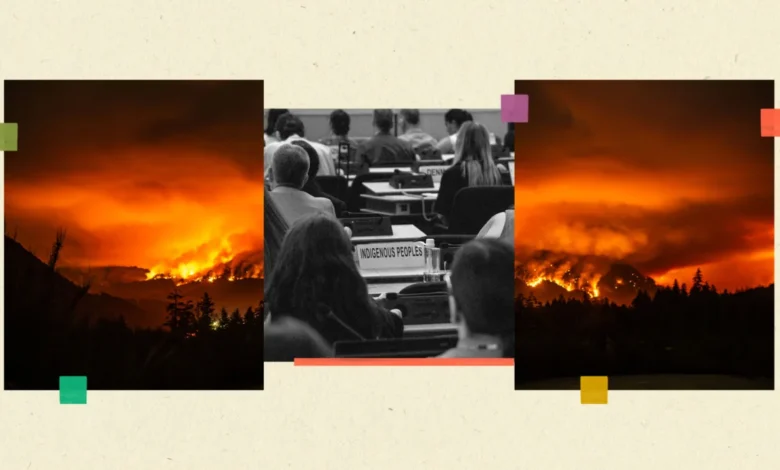
A relentless wave of more than 900 wildfires is currently tearing across the Canadian landscape, leaving a trail of destruction that has disproportionately impacted Indigenous communities and exposed critical gaps in federal emergency response frameworks. As of Friday, government data confirms that 903 fires are active nationwide, with 750 classified as "out of control." The crisis has reached a breaking point for First Nations, with 13 communities currently under mandatory evacuation orders, resulting in the displacement of at least 2,182 people from their ancestral homelands.
The most harrowing account of the week emerged from the Namaygoosisagagun (Collins) First Nation in Northern Ontario. On Wednesday, a fast-moving inferno descended upon the remote settlement, obliterating the majority of the community’s infrastructure in less than an hour. The speed of the fire was so great that residents reported having only a few minutes to salvage essential belongings before the flames overtook their homes. With no road access to the community, situated roughly 125 miles north of Thunder Bay, more than two dozen residents were forced to flee into the water, escaping the blaze by boat as thick smoke and heat closed in behind them.
Anishinabek Nation Grand Council Chief Linda Debassige confirmed in a somber statement that while the physical destruction is near-total, all community members have been accounted for. "It is with heartfelt sadness that I share that our member First Nation, Namaygoosisagagun First Nation, has been devastated by an unexpected and fast-moving wildfire," Debassige said. "The fire caused extensive damage and destruction to homes and community buildings, leaving a void where a vibrant community once stood."
A Breakdown in Communication and Emergency Support
The tragedy at Namaygoosisagagun has ignited a fierce debate over the adequacy of provincial and federal emergency protocols for Indigenous peoples. According to Chief Debassige and legal representatives for the community, residents received no advance warning from provincial or national fire monitoring officials. The evacuation was not a coordinated government effort but a desperate, grassroots scramble; community members reportedly went door-to-door to alert their neighbors as the fire line approached.
The lack of official support is being attributed to a complex jurisdictional and administrative technicality. While the residents of Namaygoosisagagun are recognized as First Nations people under the federal Indian Act, the community itself—the land base and administrative entity—is not officially recognized as a "First Nation" by the federal government. This distinction has historically complicated the community’s access to infrastructure funding, and it is now allegedly being used to deny them emergency recovery and reconstruction aid.
Meaghan Daniel, a lawyer representing Collins First Nation, has formally challenged the federal government’s stance. In a letter addressed to Mandy Gull-Masty, the Indigenous Services minister, Daniel argued that the denial of aid based on recognition status could lead to the permanent erasure of the community. "If Namaygoosisagagun is denied access to the emergency and rebuilding supports available to recognized First Nations, it will not simply suffer a slower recovery," Daniel wrote. "It may lose forever the opportunity to rebuild the community its members spent decades creating. The question is whether Namaygoosisagagun will have a future in the place it has called home since time immemorial."
In response to these allegations, Eric Head, a spokesperson for Indigenous Services Canada, stated that the agency is currently working to assess the immediate needs of the community. However, the delay has already strained the trust between the community and the Crown, highlighting a "crisis communication gap" that Indigenous leaders say is a recurring theme in Canadian disaster management.
The Growing Scale of the Ontario Emergency
While Namaygoosisagagun suffered the most acute loss, the wildfire crisis is widespread across Ontario. The province is currently battling 193 active fires, which have forced seven different First Nations to flee. Organizations such as the Chiefs of Ontario have been working around the clock to manage the logistics of these evacuations, often in coordination with the Ontario Provincial Police (OPP).
In addition to Namaygoosisagagun, several other communities are facing severe threats. Mandatory evacuation orders are currently in effect for:
- Whitesand First Nation
- Kiashke Zaaging Anishinaabek
- Animbiigoo Zaagi’igan Anishinaabek
The displacement is not limited to Indigenous populations; dozens of non-Indigenous municipalities across Northern Ontario have also been placed under evacuation orders as smoke from the 750 out-of-control fires blankets the region, creating hazardous air quality conditions as far south as the United States border.
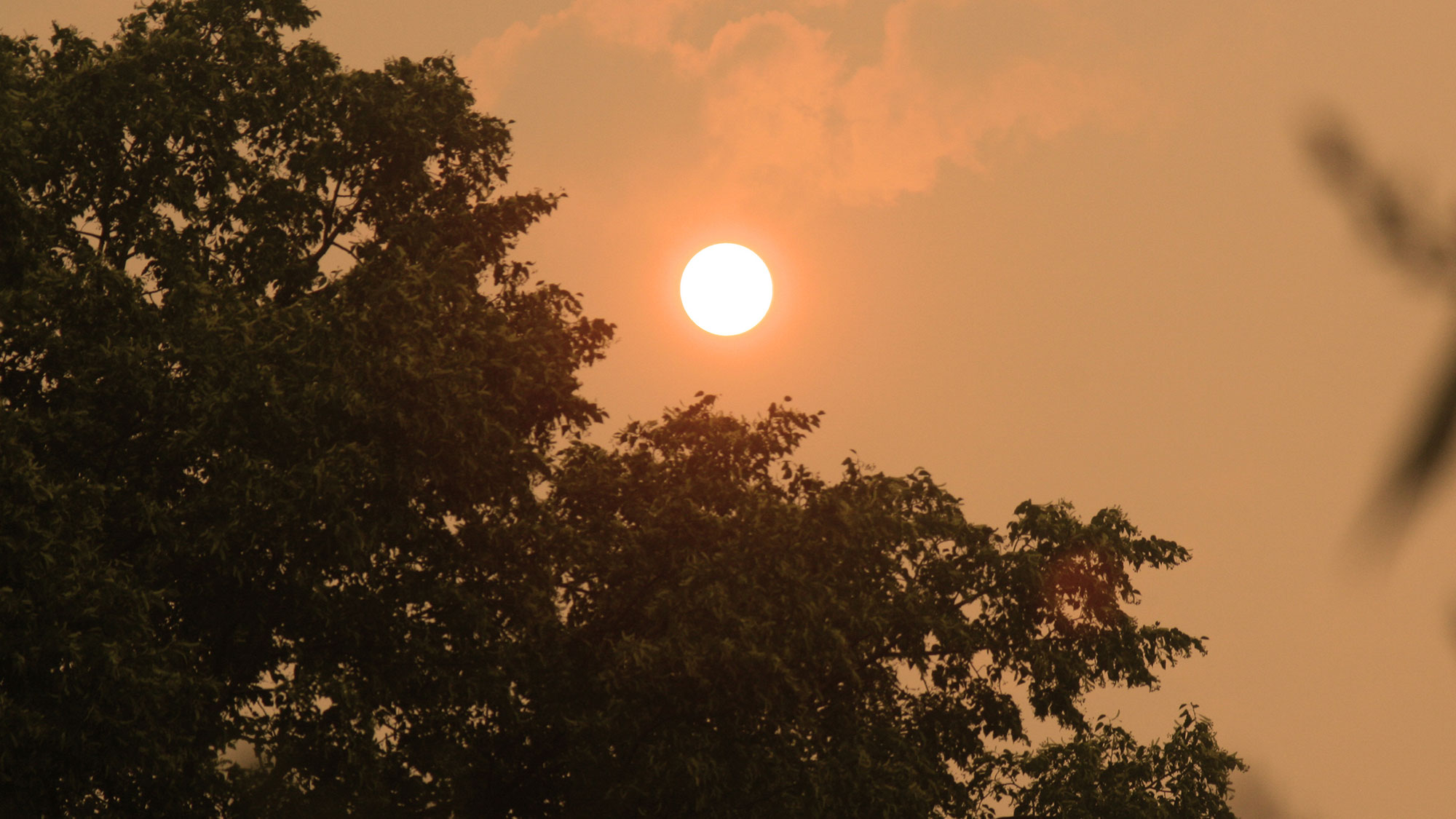
The environmental conditions driving this year’s fire season are unprecedented. Of the 903 fires burning across the country, 43 were ignited within a single 24-hour period between Thursday and Friday. High temperatures, prolonged drought conditions in the boreal forest, and lightning strikes have created a "perfect storm" for fire activity that exhausts local resources and forces the prioritization of certain areas over others—a prioritization that Indigenous leaders argue often leaves their remote, fly-in communities at the bottom of the list.
Political Frustration and the Demand for Reform
The escalating crisis prompted an emergency meeting of the Ontario Chiefs on Wednesday. The atmosphere was one of frustration and urgency as leadership criticized the "bureaucratic maze" required to access emergency response services. Leaders expressed outrage that during a life-and-death situation, they were forced to navigate complex jurisdictional disputes regarding who is responsible for the costs of evacuation and which government tier—provincial or federal—should take the lead.
Ontario Regional Chief Abram Benedict emphasized that the focus on financial technicalities is costing precious time. "Jurisdictional disputes and administrative delays have immediate consequences and put lives at risk," Benedict stated. "The priority of our leadership is to get people out as quickly and safely as possible. This needs to be everyone’s priority rather than financial discussions and technicalities."
Benedict’s sentiments were echoed at the national level. On Thursday, during a national assembly in Ottawa, the Assembly of First Nations (AFN) passed a series of emergency resolutions. These resolutions are intended to bypass some of the usual red tape to provide immediate financial and logistical support for Namaygoosisagagun and other impacted Nations. The AFN is also calling for a permanent overhaul of how the federal government interacts with non-recognized or remote Indigenous communities during climate-driven disasters.
The Cultural and Long-Term Impact of Displacement
Beyond the immediate loss of homes and buildings, the wildfires represent a profound threat to the cultural continuity of First Nations. For many of these communities, the land is not merely a place of residence but the foundation of their identity, language, and traditional practices. The destruction of the forest around Namaygoosisagagun impacts hunting grounds, medicinal plant harvesting, and sacred sites.
The Anishinabek Nation has called for national solidarity and prayers for those navigating the aftermath of the fires. "We ask that you please keep Chief Paavola, the citizens of Namaygoosisagagun First Nation, and all those affected by these wildfires in your prayers," the organization said in a statement. "Our Anishinabek Nation family will be with you."
As the fire season continues, the focus remains on the "out of control" status of the majority of the blazes. With 750 fires still uncontained, the threat of further evacuations remains high. Meteorologists warn that without significant and sustained rainfall, the dry timber of the Canadian North will continue to fuel the crisis well into the coming weeks.
Analysis: A Symptom of a Larger Climate and Policy Crisis
The 2026 wildfire season—following the record-breaking patterns of previous years—serves as a stark reminder of the intersection between climate change and systemic inequality. Remote Indigenous communities are on the front lines of environmental shifts, yet they often possess the least amount of infrastructure to combat them. The case of Namaygoosisagagun illustrates how historical policy decisions, such as the definitions within the Indian Act, can manifest as life-threatening vulnerabilities during a natural disaster.
The current situation suggests that "business as usual" in emergency management is no longer sustainable for Canada. The demand from the AFN and the Chiefs of Ontario is clear: a shift toward Indigenous-led emergency management where communities have the funding and authority to monitor their own lands and coordinate their own evacuations with guaranteed federal backing, regardless of "recognition" status.
For now, the residents of Collins First Nation remain in temporary shelters, their future uncertain. The immediate goal is the assessment of the damage, but the larger battle will be fought in the halls of Parliament as leaders seek the resources to ensure that Namaygoosisagagun—and communities like it—can rise from the ashes. As Regional Chief Benedict noted, the strength of the people is currently the primary line of defense: "We are on the front lines of this catastrophe… our First Nations leadership, emergency responders, and community members are working to protect their people and homelands."