An Invitation to Uncork Excellence: Discovering the Artistry of French Wines
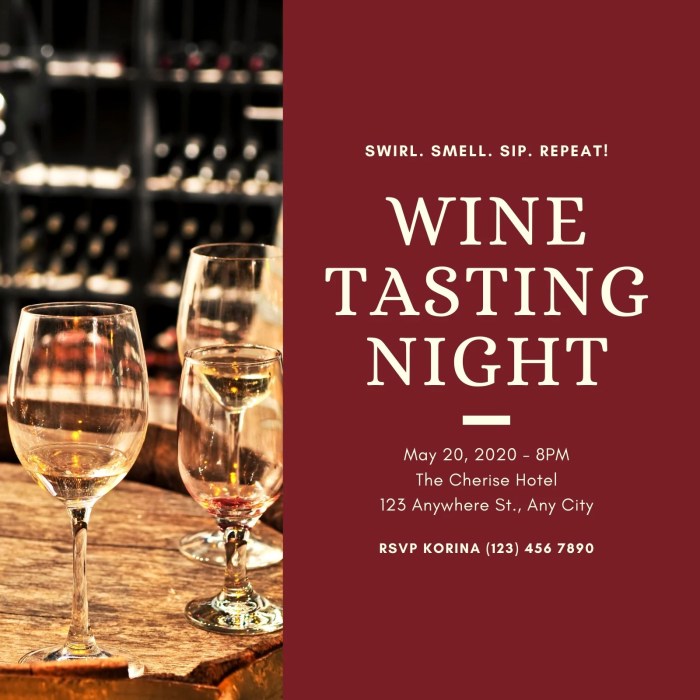
Embark on a sensory journey through the heart of France’s most esteemed vineyards with this exclusive invitation to a curated exploration of French wine. This event is not merely a tasting; it is an immersion into a rich heritage, a celebration of meticulous craftsmanship, and an opportunity to deepen your understanding and appreciation of one of the world’s most revered wine-producing nations. From the crisp whites of the Loire Valley to the robust reds of Bordeaux and Burgundy, this discovery event promises an unforgettable experience for both seasoned connoisseurs and aspiring enthusiasts eager to expand their palates and knowledge. Prepare to engage with exceptional vintages, gain insights from wine experts, and unlock the secrets behind the unparalleled quality that defines French wine.
The allure of French wine is deeply rooted in its history, its diverse terroirs, and the unwavering dedication of its winemakers. France is the undisputed benchmark for wine quality and innovation, shaping global viticultural practices and inspiring winemaking traditions across continents. This invitation extends to an event designed to demystify the complexities of French wine, offering a structured yet engaging approach to understanding its key regions, grape varietals, and the distinctive characteristics that make each bottle a unique expression of its origin. You will have the opportunity to taste a carefully selected range of wines, showcasing the breadth and depth of French winemaking prowess. The focus will be on highlighting quality, showcasing both well-known appellations and emerging stars, and providing context for why these wines consistently rank among the world’s finest.
Regional Diversity: A Tapestry of Terroir
France’s wine landscape is a remarkable mosaic, shaped by a fascinating interplay of climate, soil, topography, and historical viticultural practices. This discovery event will guide you through some of the most iconic and influential French wine regions, revealing how these environmental factors contribute to the unique character of each wine. We will begin by exploring the storied vineyards of Bordeaux, a region synonymous with powerful, age-worthy red wines. Here, the gravelly soils and maritime climate foster the development of Cabernet Sauvignon and Merlot, the dominant varietals responsible for the region’s full-bodied reds with notes of blackcurrant, cedar, and tobacco. You will learn about the classification systems that define Bordeaux’s hierarchy, from the esteemed First Growths to the more accessible Cru Bourgeois estates, and understand how appellations like Médoc, Graves, and Saint-Émilion offer distinct flavor profiles.
Transitioning to the north, we delve into the elegant and often mineral-driven wines of Burgundy. This region, with its complex patchwork of small vineyards (climats), is the spiritual home of Pinot Noir for reds and Chardonnay for whites. Burgundy’s wines are celebrated for their finesse, complexity, and ability to express subtle nuances of soil and microclimate. You will discover the difference between a village-level appellation and a Grand Cru, and explore the distinct characteristics of wines from the Côte de Nuits, Côte de Beaune, and the Mâconnais. The earthy undertones, cherry and raspberry notes of Pinot Noir, and the buttery, nutty complexity of oaked Chardonnay will be on full display.
Our journey continues to the Loire Valley, a picturesque region renowned for its refreshing and versatile white wines. Here, Sauvignon Blanc reigns supreme in appellations like Sancerre and Pouilly-Fumé, producing wines with vibrant acidity, citrus notes, and a distinct flinty minerality. Chenin Blanc also plays a starring role, yielding everything from dry and crisp whites to luscious sweet wines and sparkling options in regions such as Vouvray and Savennières. The diversity of styles available from the Loire Valley is astonishing, offering something to suit every preference and occasion.
We will also venture south to Rhône Valley, a region that cleaves into two distinct parts: the Northern Rhône, known for its intensely aromatic Syrah (often called Sirah in other parts of the world), and the Southern Rhône, where Grenache, Syrah, and Mourvèdre (GSM blends) dominate, producing generous and fruit-forward wines. Northern Rhône wines from appellations like Hermitage and Côte-Rôtie are characterized by their dark fruit, peppery spice, and often floral notes. Southern Rhône wines from Châteauneuf-du-Pape and Gigondas offer a richer, more opulent profile with ripe berry, garrigue (wild herbs), and licorice characteristics.
Finally, no exploration of French wine would be complete without acknowledging the vibrant, effervescent world of Champagne. This hallowed region, north-east of Paris, is the birthplace of the world’s most celebrated sparkling wine. You will gain an understanding of the traditional method (méthode traditionnelle) of production, the importance of the three key grape varietals – Chardonnay, Pinot Noir, and Pinot Meunier – and the nuances that differentiate various styles, from the crisp and acidic Blanc de Blancs to the richer and more complex Vintage Champagnes.
Grape Varietals: The Building Blocks of Flavor
Understanding the primary grape varietals is fundamental to appreciating French wine. While France boasts over 200 indigenous grape varieties, a select few are responsible for the vast majority of its world-renowned wines. This discovery event will illuminate the characteristics of these essential grapes and how they are expressed across different regions.
Cabernet Sauvignon, king of Bordeaux’s Left Bank, produces wines with firm tannins, cassis, and herbal notes. Its ability to age gracefully makes it a cornerstone of fine wine. Merlot, dominant on Bordeaux’s Right Bank and prevalent in blends across France, offers softer tannins, plummy fruit, and a more approachable character. Pinot Noir, the noble grape of Burgundy, is known for its delicate yet complex profile, featuring red fruit, earthy notes, and a silky texture. Its sensitivity to terroir makes it a true reflection of its origin. Chardonnay, a versatile white grape, produces wines ranging from crisp, mineral-driven Chablis to rich, buttery Burgundy. Its ability to take on oak influence allows for a wide spectrum of styles.
On the white side, Sauvignon Blanc from the Loire Valley and Bordeaux is celebrated for its zesty acidity, grapefruit, and grassy notes. Its crispness and aromatic intensity make it a refreshing choice. Chenin Blanc, also a star of the Loire Valley, offers remarkable versatility, producing dry, off-dry, and sweet wines, as well as sparkling options. Its characteristic notes of apple, honey, and lanolin evolve with age.
In the Rhône, Syrah (or Shiraz, as it’s known elsewhere) delivers powerful, peppery reds with dark fruit, smoky, and sometimes floral nuances. Grenache, a key component of Southern Rhône blends, contributes ripe red fruit, warmth, and a slightly jammy character. Mourvèdre, another important Southern Rhône grape, adds structure, tannins, and complex earthy and gamey notes.
Winemaking Techniques and Appellation Controlée
France’s commitment to quality is enshrined in its Appellation d’Origine Contrôlée (AOC) system (now largely superseded by Appellation d’Origine Protégée – AOP). This strict regulatory framework governs where grapes can be grown, which varietals are permitted, vineyard yields, and specific winemaking practices. The intention is to protect the authenticity and quality of wines from defined geographic areas, ensuring that a wine labeled "Bordeaux" or "Sancerre" adheres to specific standards. Understanding the AOC/AOP system is crucial for navigating the complexities of French wine labels and for appreciating the dedication to tradition and quality it represents.
Beyond the regulatory framework, specific winemaking techniques play a vital role in shaping the final wine. This event will touch upon concepts such as malolactic fermentation, the role of oak (new vs. used, toast levels), lees aging, and blending strategies. These techniques, often employed with centuries of accumulated knowledge, are what allow French winemakers to coax such distinct and captivating flavors from their grapes. You will gain an appreciation for the subtle decisions made in the cellar that ultimately influence the wine in your glass.
Food Pairing: The Perfect Marriage
French wine and cuisine are inextricably linked, a testament to centuries of culinary evolution that has seen wines developed to complement local dishes. This discovery event will offer guidance on achieving harmonious food and wine pairings, enhancing both the gastronomic experience and the appreciation of the wine. From the classic pairing of oysters with Muscadet to the rich Bordeaux with roast lamb, or the vibrant Sancerre with goat cheese, understanding these symbiotic relationships elevates the enjoyment of both. We will explore principles of pairing by matching intensity, contrasting flavors, and complementing textures, enabling you to confidently create your own delicious culinary pairings.
Why Attend This French Wine Discovery Event?
This invitation is more than just an opportunity to taste wine; it is an investment in your own knowledge and enjoyment of one of life’s great pleasures. You will emerge with a more profound understanding of French wine, empowering you to make more informed choices at wine shops and restaurants. The event provides a unique platform to connect with fellow wine enthusiasts and gain insights from knowledgeable individuals who can answer your questions and guide your exploration. Whether you are seeking to impress guests, expand your personal cellar, or simply deepen your appreciation for the artistry of winemaking, this discovery event offers an unparalleled pathway to unlocking the magic of French wines. Prepare to be captivated by the history, the terroir, the varietals, and the sheer deliciousness that awaits you.

