Methane, a colorless and odorless hydrocarbon, has emerged as a central focal point in the global effort to stabilize the Earth’s climate. While carbon dioxide (CO2) often dominates the conversation regarding greenhouse gas emissions, methane (CH4) is increasingly recognized as a more immediate threat due to its extraordinary heat-trapping capabilities. As the primary component of natural gas, methane currently fuels approximately 25 percent of the world’s electricity generation, yet its leakage and byproduct release across various sectors have driven atmospheric concentrations to record highs. As of 2023, atmospheric methane levels reached 1,934 parts per billion (ppb), a staggering 265 percent increase over pre-industrial levels. With human activities responsible for approximately 60 percent of these emissions, the international community faces a critical window to curb this potent gas and prevent the crossing of irreversible climate tipping points.
The Science of Methane: Formation and Potency
Methane is a simple molecule consisting of one carbon atom bonded to four hydrogen atoms. In the natural world, it is produced through two primary pathways: geological and biological. Geologically, methane forms over millions of years as intense heat and pressure act upon organic matter buried deep within the Earth’s crust, creating the fossil fuel deposits extracted today. Biologically, the gas is produced through methanogenesis—a form of anaerobic respiration conducted by microorganisms known as archaea. These microbes thrive in oxygen-poor environments, such as the waterlogged soils of wetlands, the digestive tracts of ruminant animals like cows and sheep, and the depths of landfills.
The climate significance of methane lies in its Global Warming Potential (GWP). Although methane remains in the atmosphere for a relatively short duration—approximately 12 years compared to the centuries-long lifespan of CO2—it is far more effective at trapping heat while it persists. Over a 20-year period, methane is 86 times more potent than carbon dioxide on a mass-for-mass basis. Over a 100-year horizon, its potency is roughly 28 times that of CO2. This "short-term intensity" means that reducing methane emissions today offers the fastest possible cooling effect for the planet, making it a "low-hanging fruit" in climate policy.

A History of Rising Concentrations and Measurement Gaps
The trajectory of methane emissions has shifted dramatically since the Industrial Revolution. For millennia, natural sinks—such as chemical reactions in the troposphere and methane-consuming bacteria in soil—balanced natural emissions. However, the expansion of fossil fuel extraction, intensive livestock farming, and industrial-scale waste management has overwhelmed these natural processes.
Historically, measuring these emissions relied on "bottom-up" accounting, where agencies like the U.S. Environmental Protection Agency (EPA) estimated totals by multiplying the number of known sources (e.g., the number of oil wells or cattle) by an average emission factor. Recent advancements in "top-down" technology, including high-altitude aircraft and sophisticated satellites like those operated by GHGSat and the Environmental Defense Fund, have revealed significant flaws in this approach. Satellite data has consistently shown that actual emissions are often 60 percent higher than official inventories.
This discrepancy is largely attributed to "super-emitters"—specific facilities or incidents, such as equipment failures or intentional venting, that release massive quantities of gas in short bursts. In 2022, researchers identified over 1,000 such incidents globally. One notable event in Turkmenistan released methane at a rate of 427 metric tons per hour, an impact equivalent to the hourly emissions of the entire nation of France.
Primary Anthropogenic Sources: Agriculture, Energy, and Waste
The global methane profile is dominated by three human-led sectors, which together account for over 90 percent of anthropogenic emissions.

1. Agriculture: The Leading Contributor
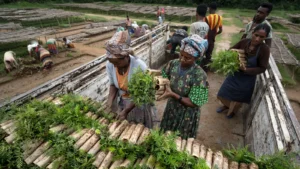
Agriculture is responsible for roughly 40 percent of human-caused methane. The largest share comes from livestock, specifically ruminant animals that produce methane as a byproduct of enteric fermentation. As global demand for meat and dairy rises, particularly in developing economies, these emissions are projected to grow significantly. Rice cultivation follows as the second-largest agricultural source; the flooded paddies required for traditional rice farming create the perfect anaerobic conditions for methane-producing archaea.
2. Fossil Fuels: Leaks and Venting
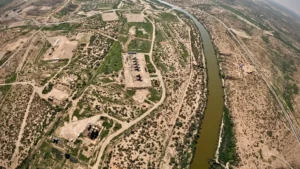
The energy sector contributes approximately 35 percent of human-caused methane. During the extraction of oil and gas, methane is often "vented" (released intentionally) or "flared" (burned off) when infrastructure to capture it is lacking. Furthermore, leaky pipelines and abandoned coal mines continue to seep gas into the atmosphere long after production has ceased. Underground coal mines are particularly problematic, as methane trapped within coal seams must be ventilated for miner safety, often resulting in direct atmospheric release.
3. Waste Management: Landfills and Sewage
Approximately 20 percent of emissions stem from the decomposition of organic matter in landfills and wastewater treatment plants. As urbanization accelerates, particularly in the Global South, the volume of solid waste is expected to increase by 73 percent by 2050. Without gas-capture systems, these sites become permanent "methane bombs."
The "Bridge Fuel" Myth and the LNG Controversy
For over a decade, natural gas was championed as a "bridge fuel" that would facilitate the transition from coal to renewables. The logic was based on the fact that burning natural gas emits about half the CO2 of coal per unit of energy. However, recent life-cycle analyses have debunked this narrative.

Scientific consensus now suggests that if as little as 0.2 percent of methane leaks during the production and transport of liquefied natural gas (LNG), its climate impact becomes equal to or worse than that of coal. With the U.S. becoming the world’s top LNG exporter in 2022, and with massive export terminals planned along the Gulf Coast, climate advocates warn that the resulting methane leakage could negate any progress made by retiring coal-fired power plants. A 2023 study indicated that when methane leaks are factored in, LNG could have a 33 percent greater global warming potential than coal over a 20-year period.
Natural Feedbacks: The Arctic and Wetland Threats
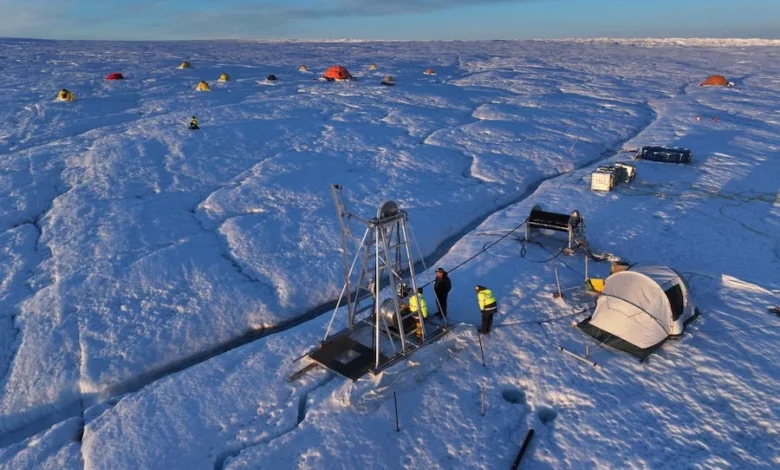
Beyond human activity, the climate crisis is triggering "positive feedback loops" that cause natural systems to release even more methane. The most concerning of these is the thawing of the Arctic permafrost. This frozen ground holds vast stores of organic matter and methane hydrates. As the Arctic warms at nearly four times the global average, this "time bomb" is beginning to thaw, releasing carbon that has been locked away for millennia.
Similarly, changing rainfall patterns and rising temperatures are expanding tropical wetlands. These areas are seeing "exceptional growth" in methane production, a phenomenon known as the wetland methane feedback. Because these emissions are driven by warming itself rather than direct human activity, they are much harder to control and could potentially overwhelm human mitigation efforts.
Public Health Implications: The Ozone Connection
Methane is not only a climate threat but also a significant public health hazard. When methane enters the atmosphere, it reacts with other pollutants in the presence of sunlight to form ground-level ozone (smog). Unlike the protective ozone layer in the stratosphere, ground-level ozone is toxic. It damages lung tissue, exacerbates asthma, and reduces crop yields by interfering with plant photosynthesis.

Current estimates suggest that methane-generated ozone is responsible for approximately 500,000 premature deaths annually. Experts argue that reducing methane emissions would provide immediate health dividends, potentially preventing thousands of emergency room visits and saving millions of tons of staple crops like wheat and soy every year.
Pathways to Mitigation and the Global Methane Pledge
The Intergovernmental Panel on Climate Change (IPCC) has stated that methane emissions must be reduced by at least 34 percent by 2030 to keep the 1.5°C warming target within reach. Fortunately, many of the solutions are technically feasible and cost-effective.
In the energy sector, the International Energy Agency (IEA) estimates that 40 percent of methane leaks could be eliminated at no net cost, as the captured gas can be sold. In agriculture, innovations such as seaweed-based cattle feed additives have shown the potential to reduce enteric emissions by over 80 percent. In the waste sector, organic waste diversion and composting can prevent methane formation entirely.
On the diplomatic front, the Global Methane Pledge, launched at COP26, now includes 159 nations committed to a collective 30 percent reduction in methane emissions by 2030. However, despite these commitments, 2023 and 2024 saw continued record-breaking emissions. Analysts point to an "implementation gap," where national pledges have yet to be translated into binding domestic regulations for the oil, gas, and agricultural industries.

Analysis of Implications
The battle against methane represents a race against time. If the international community fails to rein in anthropogenic sources, the resulting warming may trigger natural feedbacks—such as massive permafrost thaws—that move beyond human control. Conversely, aggressive action on methane provides a rare "fast-acting" lever in the climate fight.
The transition away from the "bridge fuel" narrative toward a total phase-out of gas infrastructure appears increasingly necessary to avoid the worst-case scenarios. Furthermore, the integration of satellite monitoring into international law could provide the transparency needed to hold "super-emitters" accountable. While individual actions, such as dietary shifts and energy efficiency, are valuable, the ultimate resolution of the methane crisis will require a fundamental restructuring of global energy and food systems. The window for action is narrow, but the rewards for success include a more stable climate, cleaner air, and a more resilient global food supply.