When the joint military operations by the United States and Israel against Iranian targets commenced in early 2026, the global economy appeared to be standing on the precipice of a terminal shock. The subsequent retaliatory blockade of the Strait of Hormuz by Iranian naval forces effectively severed the world’s most vital energy artery, through which nearly 20 percent of the global oil supply—approximately 15 million barrels per day—customarily flows. In the immediate aftermath of the closure, analysts and international institutions issued grim forecasts: Goldman Sachs warned of systemic shortages, the International Monetary Fund (IMF) signaled a looming global recession, and traders braced for crude prices to eclipse $200 per barrel. Yet, four months into the conflict, the catastrophic collapse many predicted has been deferred through a combination of unprecedented strategic coordination, aggressive demand destruction, and a temporary realignment of global trade routes.
The Strategic Importance of the Strait of Hormuz
To understand the magnitude of the 2026 crisis, one must look at the geography of the Persian Gulf. The Strait of Hormuz is a narrow waterway, only 21 miles wide at its narrowest point, separating Iran from Oman and the United Arab Emirates. It is the only sea passage from the Persian Gulf to the open ocean. For decades, energy security experts have referred to it as the "world’s jugular."
Before the 2026 war, the strait carried the vast majority of crude exports from Saudi Arabia, Iraq, Kuwait, and the United Arab Emirates, as well as nearly all of the liquefied natural gas (LNG) from Qatar. When Iran announced the blockade in March 2026, the immediate removal of 15 million barrels of daily production created a supply vacuum larger than any seen during the oil shocks of 1973 or 1979. The world was forced to react not in years or months, but in days.
A Chronology of the 2026 Energy Conflict
The escalation from a regional military engagement to a global energy crisis followed a rapid and volatile trajectory.
January 2026: The United States and Israel launch a targeted military campaign against Iranian nuclear and military infrastructure. The operation, intended to be surgical, triggers a massive regional escalation.
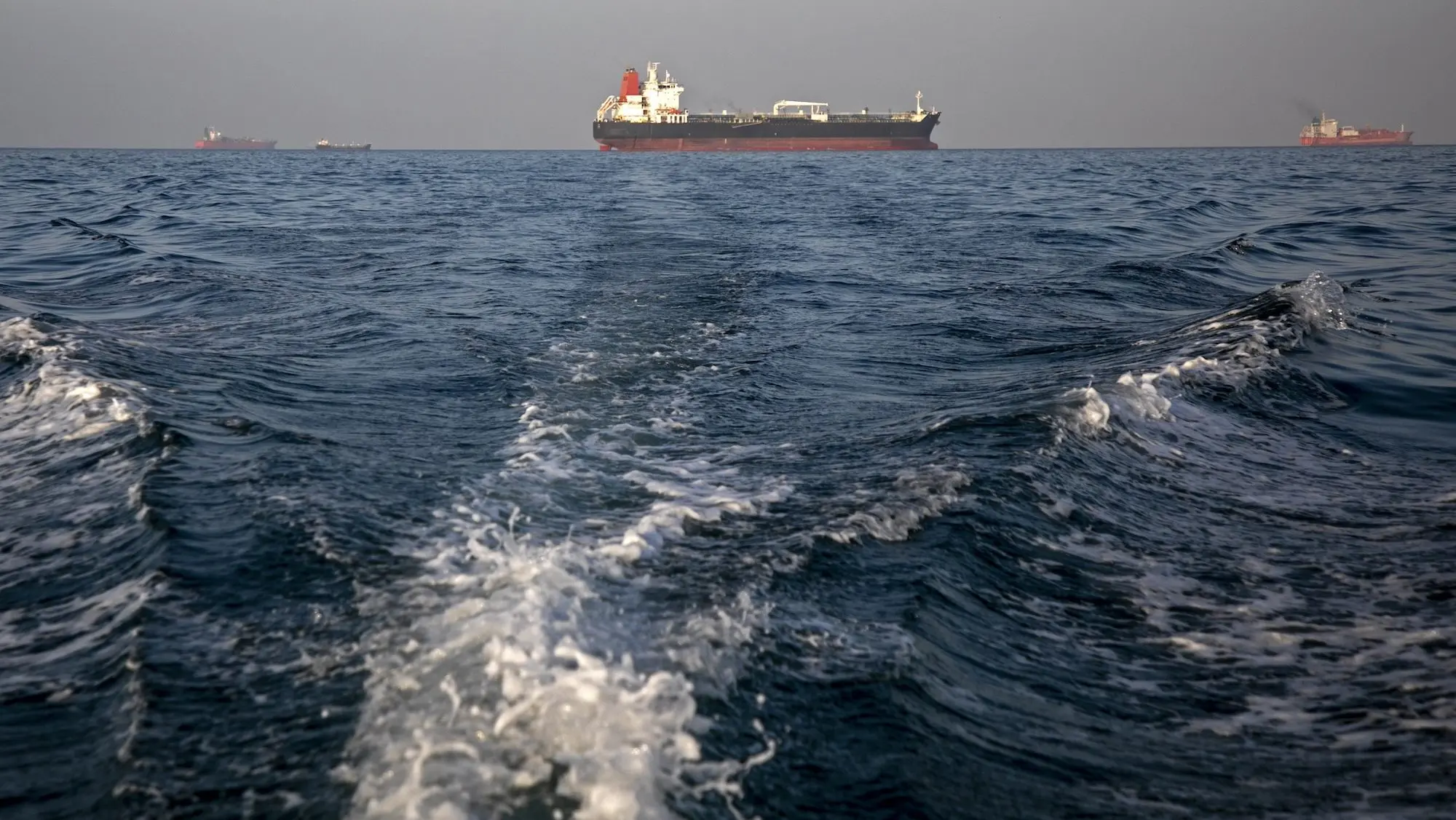
March 2026: Iran retaliates by deploying sea mines and fast-attack craft to close the Strait of Hormuz. Benchmark Brent crude prices immediately surge past $100 per barrel. In response, the International Energy Agency (IEA) coordinates the largest strategic reserve release in history, dumping 400 million barrels of oil into the market from 30 member nations.
April 2026: High prices incentivize a "drill-anywhere" mentality. Non-OPEC producers, led by the United States, Norway, and Venezuela, ramp up production to maximum capacity. Simultaneously, major Asian importers begin implementing mandatory energy-saving protocols.
May 2026: Brent crude hits a yearly high of $120 per barrel. Market anxiety remains high as the IEA warns that strategic stockpiles are being depleted at an unsustainable rate.
June 17, 2026: A brief window of diplomacy opens. The United States and Iran sign a temporary ceasefire agreement. Shipping lanes partially reopen, and oil prices tumble back to $70 per barrel as the "war premium" evaporates.
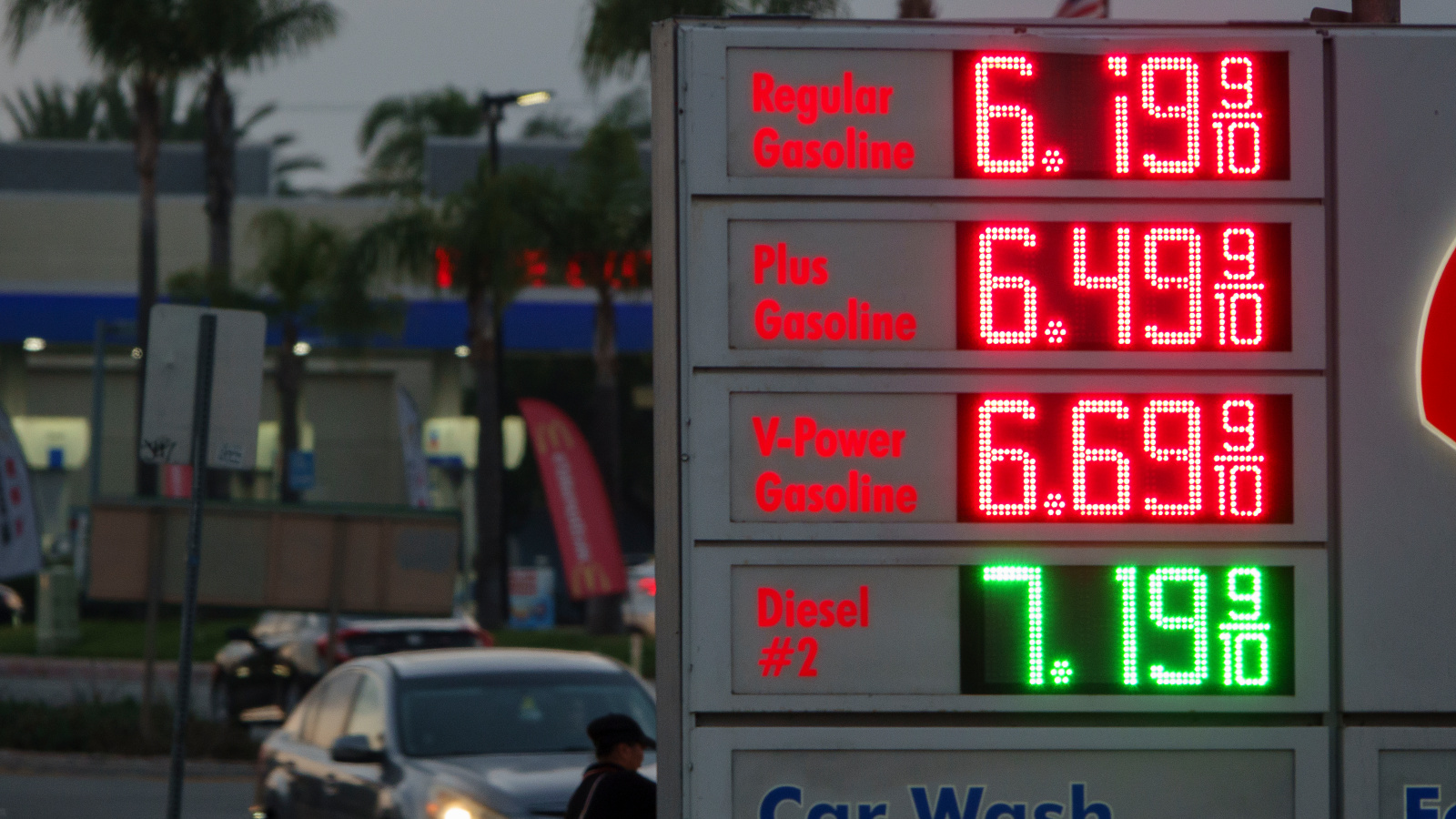
July 2026: The ceasefire collapses following a series of maritime skirmishes. Iran reinstates transit restrictions, and the U.S. responds with a total embargo on Iranian petroleum products. Prices climb back toward $85, but the global "buffer" of stored oil is now significantly lower than it was in March.
The Supply-Side Response: Filling the 15-Million-Barrel Void
The primary reason the world avoided $200 oil in the spring of 2026 was a massive, coordinated supply-side intervention. The IEA’s release of 400 million barrels provided a crucial bridge, covering the Hormuz deficit for nearly three weeks in net terms. This gave producers elsewhere the time needed to adjust logistics.
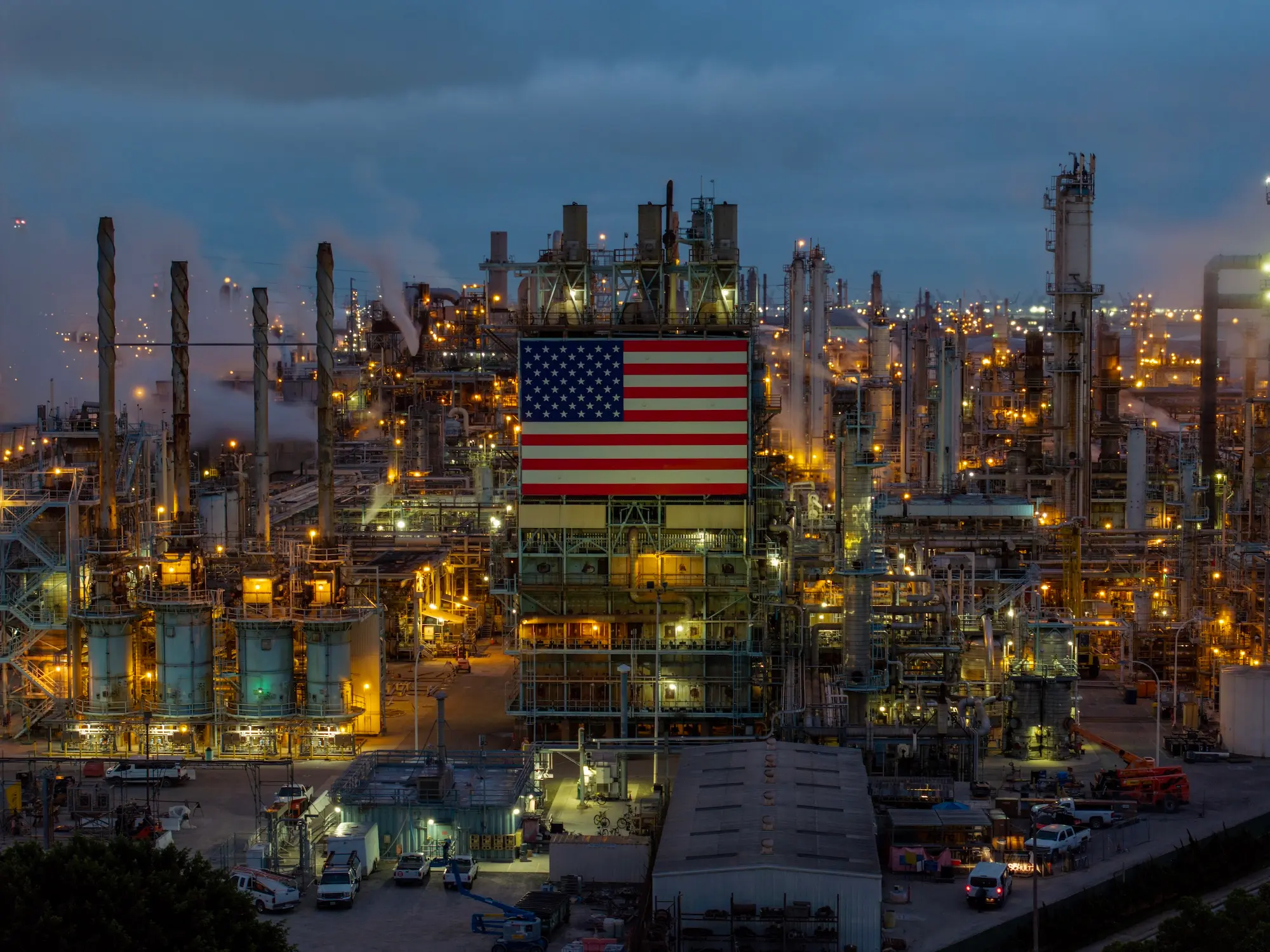
The United States played a dual role as both a primary combatant and the world’s leading swing producer. American shale operators, supported by emergency federal permits, pushed domestic production to record highs. Perhaps more surprisingly, Venezuela and Norway also increased exports, specifically targeting refineries in South Korea and Japan that had been designed to process Middle Eastern grades. South Korea, for instance, managed to double its oil imports from the United States between February and April, a logistical feat that required a total overhaul of its maritime shipping schedules.
Furthermore, regional powers in the Middle East utilized land-based alternatives to bypass the strait. Saudi Arabia and Iraq maximized the use of trans-continental pipelines that carry oil to the Red Sea and the Mediterranean. While these pipelines were previously operating below capacity, they were pushed to their structural limits in 2026, successfully rerouting approximately 6 million barrels per day away from the Iranian coastline.
China’s "Crash Diet" and Demand Destruction in Asia
While supply increases were vital, the crisis was also managed through what analysts have termed "aggressive demand destruction." China, the world’s largest oil importer, took the unexpected step of entering a "crash diet." By halting the filling of its own strategic reserves and temporarily idling several state-owned refineries, China effectively removed 5 million barrels of daily demand from the global market. To maintain its domestic power grid, Beijing accelerated its pivot to coal and solar, prioritizing industrial survival over environmental targets.
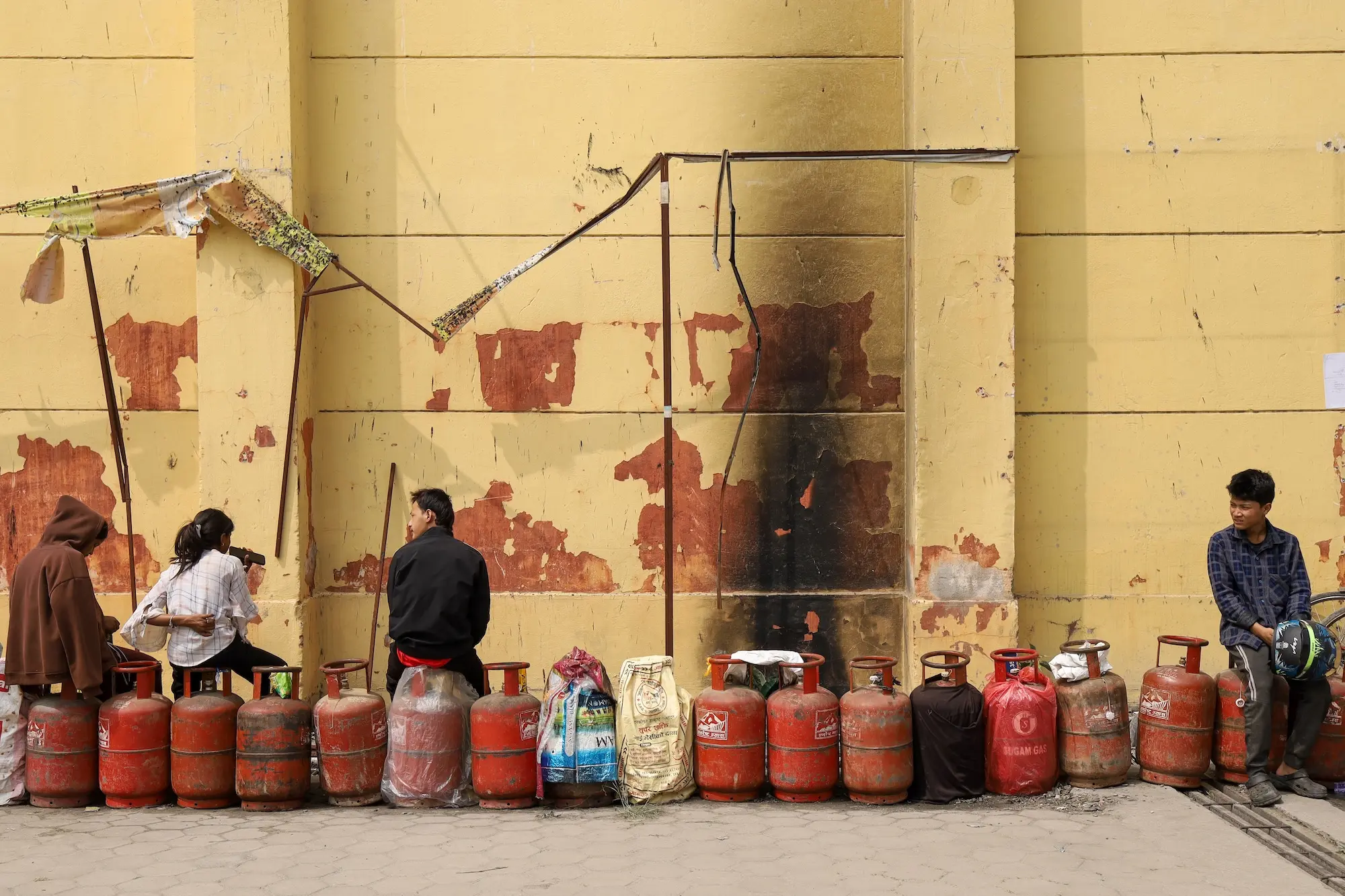
Across the rest of Asia, governments moved toward wartime-style conservation. The Philippines, Pakistan, and Sri Lanka transitioned to four-day work weeks to reduce commuting fuel consumption. Myanmar implemented "odd-even" driving restrictions based on license plate numbers, a tactic reminiscent of the 1970s oil crisis in the United States. In Bangladesh, public university buildings were closed, and air conditioning was strictly limited to 77 degrees Fahrenheit to preserve the imported LNG needed for electricity generation.
European nations also contributed, though their focus was more on structural shifts. The Netherlands and Sweden utilized the crisis to accelerate electric vehicle (EV) adoption, offering "emergency" subsidies for citizens to trade in internal combustion engines. By reducing the global demand for transportation fuel, these nations helped prevent the price spiral that would have otherwise triggered a systemic global depression.
Statements from Industry Experts and Official Reactions
The sentiment among global energy leaders remains one of "cautious exhaustion." Kevin Morrison, a senior analyst at the Institute for Energy Economics and Financial Analysis (IEEFA), noted that the world has survived "Round 1" by exhausting its emergency toolkits. "There have been multiple measures taken by governments both on the supply and demand side," Morrison stated. "This is a trend that is likely to continue as the uncertainty around future oil supplies remains."
However, others warn that the tactics used in the first half of 2026 cannot be replicated. Bob McNally, founder of Rapidan Energy Group and a former advisor to the George W. Bush administration, suggests that the market’s current relative stability is an illusion. "The market decided at the end of Round 1 to price for perfection in an Iran deal," McNally observed. "Instead, we’re getting Round 2. We played some tricks and some cards, but all these things are either wearing off or already known."
Official statements from the IEA have expressed concern over the "structural integrity" of the global safety net. With the U.S. Strategic Petroleum Reserve (SPR) at its lowest level in decades, the ability of the West to dampen future price spikes is severely compromised.
Broader Socioeconomic Implications: Fertilizers and Food Security
While the world avoided a total energy blackout, the "hidden" costs of the 2026 Iran war are beginning to surface in the agricultural sector. The Strait of Hormuz is not just an oil corridor; it is a vital route for the components of modern civilization. Shortages of sulfur and helium—essential for industrial processing and medical technology—have contributed to broader inflation.
More critically, the disruption in natural gas flows has crippled the production of nitrogen-based fertilizers. In Southeast Asia, the lack of affordable fertilizer during the spring rice-planting season is expected to lead to significantly lower crop yields in the autumn. This suggests that the energy crisis of the first half of the year will likely transform into a food security crisis in the second half, disproportionately affecting developing nations that lack the fiscal headroom to subsidize basic staples.
The Looming Threat of "Hormuz 2.0"
As the conflict enters its fifth month, the global economy faces a new, more dangerous phase. The "buffer" provided by strategic reserves has been spent. China has ended its "crash diet" and is once again competing for available crude to restart its refineries. This return of Chinese demand, coupled with the depletion of Western stockpiles, creates a "pincer effect" on global prices.
In "Hormuz 1.0," the crisis was managed through inventory management. In "Hormuz 2.0," analysts believe that price will be the only remaining lever. Because oil demand is "inelastic"—meaning people must continue to buy it for basic survival and food transport—prices must rise to extreme levels before consumption drops enough to match the diminished supply.
The relative calm of early summer may be the eye of the storm. If the Strait of Hormuz remains contested or closed through the winter of 2026, the world will no longer be able to rely on "tricks" or emergency releases. The global economy will be forced to confront the reality of a world without Middle Eastern oil, a scenario that could finally trigger the $200-a-barrel threshold and the deep global recession that the world so narrowly avoided just months ago.