Across much of the United States, citizens are losing their ability to discern when the air they breathe shifts from life-sustaining to dangerous, as a calculated push by industrial interests converges with a systemic decline in federal environmental oversight. For decades, the nation’s public air monitoring infrastructure has been the primary defense against invisible pollutants, yet this network is currently suffering from aging equipment, reduced federal funding, and geographical gaps that leave millions of residents in the dark. As the threat from climate-driven wildfires, the proliferation of data centers, and intensified ozone-forming heat waves grows, the legal landscape is shifting to prioritize corporate protection over public health, effectively silencing the very data communities use to hold polluters accountable.
A wide-reaching investigation reveals that since 2024, a wave of state-level legislation has swept through Louisiana, Ohio, and Kentucky, spearheaded by powerful chemical and manufacturing trade groups. These laws share a common, restrictive blueprint: they explicitly bar state regulators from utilizing air-quality data collected by citizens or independent community groups for enforcement actions unless the data meets rigorous, costly, and often inaccessible EPA-approved standards. While industry proponents argue that these measures are intended to ensure "scientific defensibility," internal communications and legislative records suggest a more strategic objective: the neutralization of community-led watchdog efforts.
The Erosion of the National Early-Warning System
The foundation of American air quality protection lies in the 1963 Clean Air Act, which established a national network of monitors designed to detect everything from carbon monoxide and ozone to potent carcinogens like benzene and vinyl chloride. For decades, this infrastructure functioned as an essential, if imperfect, early-warning system. It provided the empirical backbone for regulators to identify hotspots and mandate industrial cleanup.
However, the network is now showing significant signs of decay. According to experts like Chet Wayland, the former head of the EPA’s Air Quality Assessment Division, the system is not only aging but physically shrinking. The decline is most acute regarding toxic air pollutants—the very chemicals most closely linked to long-term health catastrophes. Data indicates that the monitoring networks for vinyl chloride, chloroprene, and benzene have been slashed by more than 50 percent since 2004.
This infrastructure collapse is exacerbated by a massive geographic mismatch. An analysis of industrial hotspots in states like Kentucky, Louisiana, and Ohio reveals that for the vast majority of major industrial facilities, the specific chemical compounds they release in the highest volumes are not being measured by any government-operated sensor in their state. In some cases, the most hazardous substances emitted by plants—such as sulfuric or hydrochloric acid—are completely absent from the state’s current regulatory monitoring purview. A 2025 study by researchers at Penn State underscores the severity of this void, finding that nearly 60 percent of U.S. counties currently possess no public air monitoring infrastructure at all.
A Chronology of Regulatory Retreat
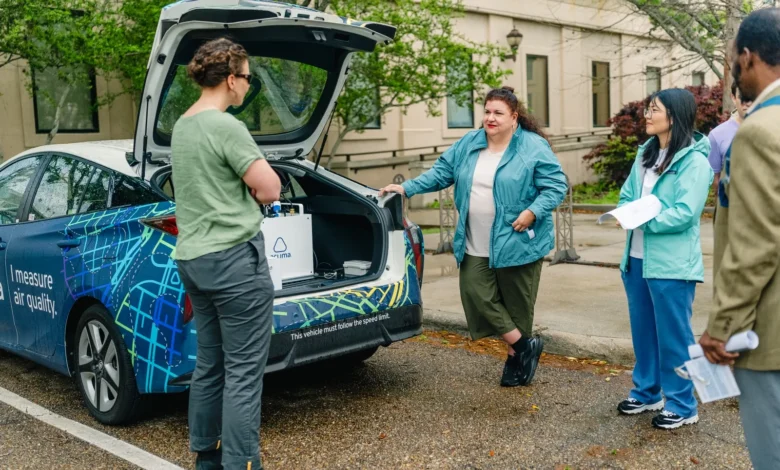
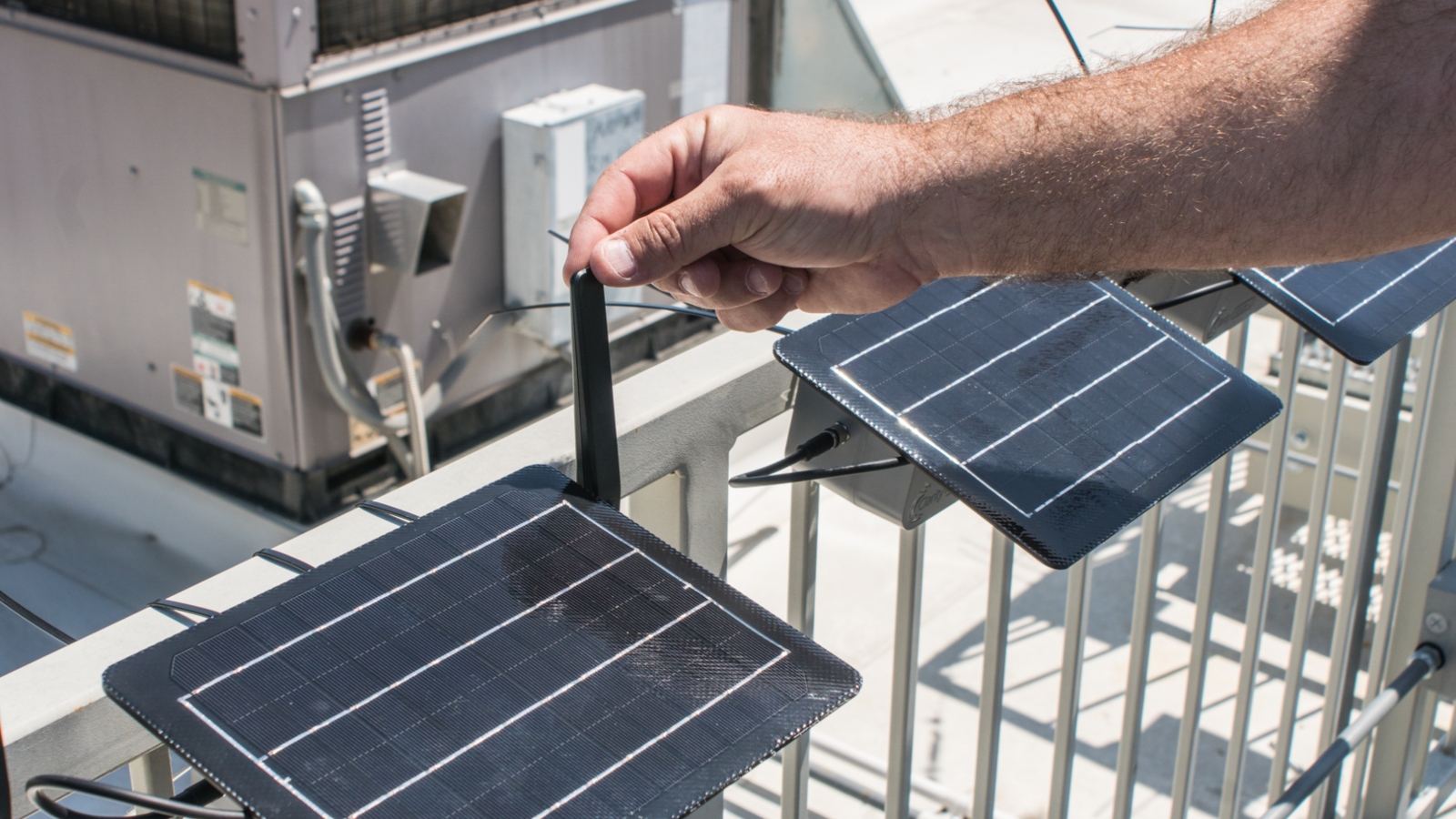
The decline of public monitoring has occurred in tandem with a shift in the federal regulatory climate. During the Trump administration, various requirements intended to hold corporations accountable for emissions were either delayed or rolled back. This created a vacuum that local environmental groups attempted to fill by deploying low-cost, grassroots sensor arrays.
In response, the chemical industry mobilized. The timeline of this pushback is striking:
- 2023: Federal regulations aimed at reducing toxic emissions by 80 percent at 200 chemical plants face fierce opposition. While a blanket exemption is denied, individual plants begin securing waivers.
- 2024: Louisiana enacts the Community Air Monitoring Reliability Act (CAMRA), effectively stripping community-collected data of its legal standing in enforcement actions.
- Late 2024: The federal government cancels a $500,000 grant intended for the Louisiana Environmental Action Network (LEAN), which was designed to place air monitors in 27 high-pollution communities.
- March 2025: Kentucky lawmakers pass House Bill 137, mirroring Louisiana’s restrictions on community data usage.
- Late 2025: Ohio integrates restrictions into its state budget, limiting the ability of regulators to act on independent data while also attempting to gut the "air nuisance" rule that allowed citizens to sue over health-endangering emissions.
- 2026: Continued legislative attempts in West Virginia reveal an intense internal industry debate, with major chemical firms like Chemours actively opposing compromise bills that would have permitted the use of high-quality, manufacturer-standard citizen monitoring.
The Corporate Rationale vs. Public Reality
The lobbying influence behind these laws is significant. The American Chemistry Council (ACC), a premier national trade group, reported spending over $22 million on lobbying efforts in 2024 alone. While the ACC and its state-level counterparts, such as the Kentucky Chemical Council and the Ohio Chemistry Technology Council, maintain that they support "transparent, reliable data," their actions tell a different story.
Industry spokespeople often justify these laws by comparing air monitoring to a "speed gun." Tony Long, general counsel for the Ohio Chamber of Commerce, argued that without the "guardrails" of EPA-approved calibration, unverified data could lead to a litigious environment based on misinformation. Conversely, advocates for the communities argue that by mandating that only state-sanctioned, prohibitively expensive monitors can trigger enforcement, the industry has effectively created a "blind spot" by design. If a community cannot legally prove a violation with its own equipment, and the state does not have its own monitors in place, the industry operates with near-total impunity.
The Human Toll: Life in the Shadow of Industry
For individuals like Reonda Victor, who lives in the heavily industrialized corridor between Baton Rouge and New Orleans, the lack of monitoring is not a theoretical policy debate—it is a life-altering concern. Living in an area with some of the highest cancer risks in the country, Victor watched her mother, grandmother, and sister succumb to breast cancer. Her own genetic testing revealed no predisposition, leaving her to grapple with the terrifying, unanswered question of environmental culpability.
The closest state monitor to her residence tests only for lead, ignoring the volatile organic compounds that frequently flare from nearby refineries. This lack of information is a shared burden for thousands of Americans, from Donna Ballinger in Middletown, Ohio—whose home is frequently blanketed in industrial particulates—to residents in Louisville’s "Rubbertown" who have seen previous air quality gains threatened by new legislation.
Broader Implications and Future Outlook
The systemic dismantling of independent air monitoring, paired with the weakening of federal enforcement, signals a profound shift in how the United States manages industrial pollution. By limiting the scope of what constitutes "legitimate" evidence, states are effectively lowering the bar for industrial accountability.
Evidence from successful monitoring programs—such as the EPA’s 2018 requirement for refinery fenceline monitoring, which saw benzene levels drop by 50 percent within five years—proves that visibility drives compliance. Conversely, the current trend of restricting monitoring capabilities risks reversing decades of progress in air quality improvement.
As the legal challenges to these state laws wind through the courts, including a major lawsuit in Ohio, the core issue remains the right to know. Without robust, publicly accessible data, communities are forced to rely on the self-reporting of the very entities that endanger them. The current legislative trend suggests that until there is a federal intervention to protect the integrity and legal utility of community-collected data, the "silent crisis" of toxic air will continue to grow, largely unmeasured and unchecked, in the most vulnerable corners of the nation. As professor Nelson Roque poignantly noted, the failure to prioritize this infrastructure is a failure to protect a fundamental human necessity: the air we all breathe.