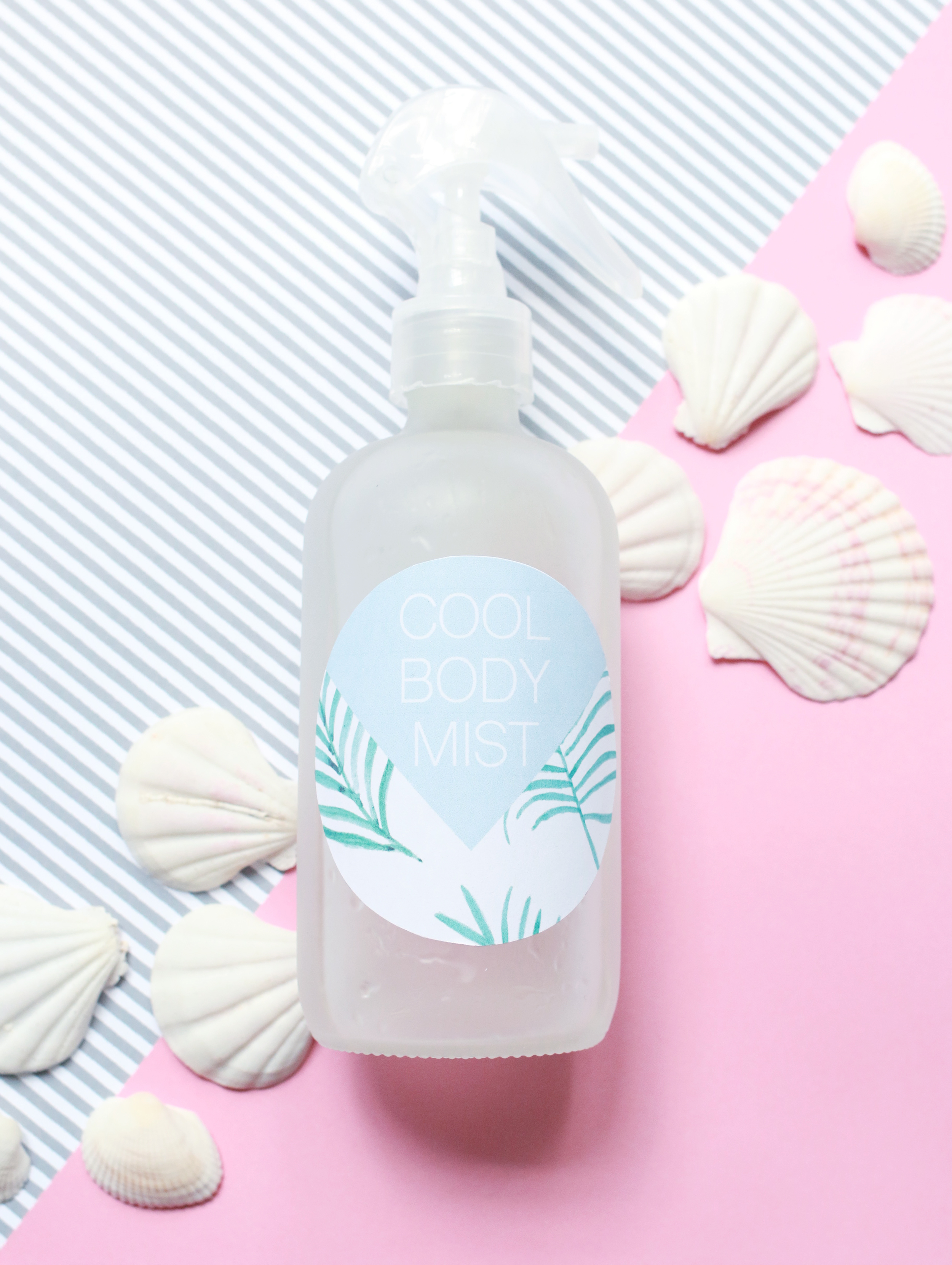

DIY Minty Cooling Body Mist: A Natural Refreshment for Hot Days
Creating your own minty cooling body mist is a straightforward and rewarding DIY project, perfect for combating heat and providing an instant refresh. This guide details the process, explores ingredient benefits, and offers customization options, ensuring you can tailor a personalized mist that suits your needs and preferences. Unlike commercial body mists, which often contain synthetic fragrances, alcohol that can dry out the skin, and preservatives, a homemade version allows for complete control over ingredients, prioritizing natural, skin-loving components. The cooling sensation comes from the natural properties of peppermint and menthol, while other ingredients contribute to its longevity, skin benefits, and overall appeal. This article will delve into the science behind the cooling effect, the best ingredients to select, and step-by-step instructions for crafting your perfect revitalizing spray. We’ll also discuss storage, shelf life, and creative variations to elevate your DIY experience.
The core of a refreshing minty cooling body mist lies in its primary ingredient: peppermint. Peppermint (Mentha piperita) is renowned for its invigorating aroma and its potent cooling sensation. This effect is primarily due to the presence of menthol, a natural organic compound found abundantly in peppermint oil. When menthol comes into contact with skin receptors, specifically the TRPM8 (Transient Receptor Potential Melastatin 8) channels, it triggers a sensation of coldness without an actual drop in temperature. This is a physiological response that tricks your brain into perceiving coolness. Beyond its aromatic and cooling qualities, peppermint oil also possesses antimicrobial and anti-inflammatory properties, which can be beneficial for the skin. It can help soothe minor irritations and keep the skin feeling clean. The sharp, clean scent of peppermint is also known to uplift mood and improve focus, making this body mist a multi-sensory experience. When choosing peppermint essential oil, opt for a high-quality, pure essential oil from a reputable supplier. Purity ensures you are getting the full therapeutic benefits and avoids potential contaminants. The concentration of menthol can vary between different peppermint essential oil brands, so you might find slight variations in the cooling intensity of your finished mist.
Beyond peppermint, incorporating other cooling agents can enhance the refreshing experience. Menthol crystals are a concentrated form of menthol, offering an even more intense cooling sensation. These small, crystalline solids can be dissolved in a carrier liquid to deliver a powerful chill. When using menthol crystals, it’s crucial to exercise caution due to their potency. A little goes a long way, and excessive use can lead to skin irritation. Dissolving them beforehand in a small amount of the base liquid ensures even distribution and prevents concentrated pockets of menthol. Another excellent addition is spearmint (Mentha spicata). While also a mint, spearmint has a slightly sweeter and softer aroma compared to peppermint, making it a good companion for a gentler cooling effect. It also contains menthol, though typically in lower concentrations than peppermint, contributing to the overall refreshing profile of the mist. Experimenting with the ratio of peppermint to spearmint allows for a nuanced cooling experience.
The base of your body mist is as important as the cooling agents. Water is the primary diluent, making the mist sprayable. However, using plain tap water can introduce impurities and shorten the shelf life of your DIY creation due to potential bacterial growth. Distilled water or purified water is highly recommended. Distilled water has had most of its mineral content and impurities removed, making it a clean and stable base. Another excellent option is hydrosols, also known as floral waters. Hydrosols are the aromatic co-products of essential oil distillation. They contain water-soluble plant compounds and a trace amount of essential oil. For a cooling mist, rose hydrosol or cucumber hydrosol are fantastic choices. Rose hydrosol is known for its soothing and hydrating properties, while cucumber hydrosol offers its own natural cooling and anti-inflammatory benefits. Using a hydrosol as part of your water base adds an extra layer of skin-loving goodness and a subtle, pleasant aroma that complements the mint.
To help the oil and water mix and to extend the shelf life of your body mist, a solubilizer is often necessary. Witch hazel, particularly alcohol-free witch hazel, is a popular choice. It’s a natural astringent derived from the witch hazel shrub and possesses anti-inflammatory properties. The alcohol-free version is gentler on the skin, preventing dryness often associated with alcohol-based toners. Witch hazel helps to disperse essential oils evenly throughout the water base, preventing them from separating and ensuring each spray delivers a consistent experience. Another effective solubilizer is vegetable glycerin. Glycerin is a humectant, meaning it draws moisture from the air to the skin, providing hydration. It also helps to emulsify the oils and water, contributing to a smoother texture and a longer-lasting scent. When using glycerin, it can add a slightly sticky feel if too much is used, so it’s important to find the right balance.
For a longer-lasting scent and added skin benefits, consider incorporating other essential oils. Lavender essential oil is a classic addition, known for its calming and relaxing properties. Its floral aroma can beautifully complement the invigorating scent of mint, creating a balanced and multi-layered fragrance. Lavender also possesses antiseptic and anti-inflammatory qualities, making it beneficial for irritated skin. Another versatile option is eucalyptus essential oil. While often associated with respiratory benefits, eucalyptus also has a cooling effect and a refreshing, clean aroma. It can enhance the minty coolness and provide a powerful sense of invigoration. However, eucalyptus oil can be quite potent, so use it sparingly and be mindful of its scent profile, as it can sometimes overpower the mint. Citrus essential oils like lemon or lime can add a bright, uplifting note and a subtle astringent effect. They can help to balance the richness of the mint and add a zesty sparkle to the fragrance. Always ensure that any citrus essential oils used are steam-distilled or cold-pressed from the peel and are non-phototoxic if you plan to be in direct sunlight after application.
Creating the minty cooling body mist involves a simple assembly process. You will need a clean, dark glass spray bottle. Dark glass protects the essential oils and other ingredients from degradation caused by light exposure. A typical size for a body mist is 4 oz (120 ml) or 8 oz (240 ml). You will also need a small funnel for easy pouring. The recipe can be scaled up or down depending on your bottle size and desired quantity.
Basic Minty Cooling Body Mist Recipe (for a 4 oz bottle):
- 2 oz (60 ml) Distilled Water or Hydrosol (e.g., Rose or Cucumber)
- 1.5 oz (45 ml) Alcohol-Free Witch Hazel or Vegetable Glycerin
- 0.5 oz (15 ml) Menthol Crystals (dissolved) – This is an optional addition for enhanced cooling. If omitting, increase witch hazel/glycerin slightly.
- 15-20 drops Peppermint Essential Oil
- 5-10 drops Spearmint Essential Oil (optional, for a softer mint)
- 5 drops Lavender Essential Oil (optional, for calming notes)
- 3 drops Eucalyptus Essential Oil (optional, for amplified freshness)
Instructions:
- Prepare the Menthol Crystals (if using): In a small, heat-safe glass container, add the menthol crystals. Gently warm them by placing the container in a bowl of warm (not hot) water. Stir occasionally until the crystals are completely dissolved. Be cautious as menthol can be volatile when heated; ensure good ventilation. Alternatively, you can dissolve them in a small amount of the witch hazel or glycerin first.
- Combine Liquids: In your clean spray bottle, add the distilled water or hydrosol.
- Add Solubilizer/Glycerin: Pour in the alcohol-free witch hazel or vegetable glycerin. If you dissolved the menthol crystals in a portion of the witch hazel/glycerin, add that mixture now.
- Add Essential Oils: Carefully add the essential oil drops to the bottle. Start with the lower end of the recommended drops and adjust based on your scent preference and desired strength.
- Dissolve Essential Oils: If you are not using witch hazel or glycerin that can help emulsify, or if you prefer to ensure thorough mixing of essential oils, you can add a small amount of carrier oil like fractionated coconut oil or jojoba oil (about 1/2 teaspoon) to help solubilize the essential oils before adding them to the water base. However, this might slightly alter the feel of the mist. For a true mist, relying on witch hazel or glycerin is best.
- Secure the Cap and Shake: Tightly screw on the spray top. Shake the bottle vigorously for at least 30 seconds to thoroughly combine all ingredients.
- Label Your Mist: Clearly label your bottle with the name of the mist, the date it was made, and the ingredients.
Customization and Variations:
The beauty of DIY is the ability to customize. Here are some ideas:
- Extra Cooling Power: Increase the menthol crystals (carefully!) or add a few drops of spearmint essential oil.
- Hydrating Mist: Use a hyaluronic acid serum or aloe vera juice as part of the water base for added skin hydration.
- Uplifting Citrus Boost: Add 2-3 drops of lemon or grapefruit essential oil for a brighter, more invigorating scent. Be mindful of sun exposure if using citrus oils.
- Herbal Infusion: Steep fresh mint leaves in a small amount of the water overnight, strain thoroughly, and use this infused water in your recipe for a more subtle, natural mint flavor and aroma. This will significantly reduce the shelf life.
- Floral Essence: Incorporate a few drops of chamomile essential oil for added soothing benefits or geranium essential oil for a balancing and floral aroma.
Storage and Shelf Life:
Proper storage is crucial for maintaining the quality and safety of your homemade body mist.
- Storage: Store your minty cooling body mist in a cool, dark place, away from direct sunlight and heat. A bathroom cabinet or a cool drawer in your bedroom is ideal.
- Shelf Life:
- With Witch Hazel/Glycerin and Distilled Water/Hydrosol: Typically 6-12 months, provided all ingredients are fresh and the bottle is kept sealed and stored correctly.
- If using plain water or fresh herbal infusions: Shelf life is significantly reduced, usually to 1-2 weeks, and refrigeration is highly recommended to prevent bacterial growth. Always err on the side of caution. If you notice any changes in smell, color, or consistency, discard the product immediately.
Tips for Application and Use:
- Shake Before Each Use: Essential oils and water can naturally separate over time. Shaking ensures an even distribution of ingredients with each spray.
- Spray onto Pulse Points: Apply to wrists, neck, behind the ears, and inner elbows for a longer-lasting cooling sensation.
- Cooling Sensation: The cooling effect will be more pronounced on warmer days or after physical activity.
- Avoid Eye Area: While natural, essential oils can be irritating to the delicate eye area.
- Patch Test: If you have sensitive skin or are using new essential oils, perform a patch test on a small area of your inner arm before widespread application.
- Travel Friendly: Transfer your body mist into a smaller travel-sized spray bottle for on-the-go refreshment.
Ingredient Sourcing:
When embarking on your DIY journey, sourcing high-quality ingredients is paramount.
- Essential Oils: Look for reputable brands that offer 100% pure, therapeutic-grade essential oils. Companies that provide GC/MS testing reports for their oils offer transparency and assurance of purity.
- Hydrosols: Purchase hydrosols from trusted suppliers who clearly state the plant part used and the distillation method.
- Witch Hazel: Opt for alcohol-free versions to avoid drying out the skin.
- Vegetable Glycerin: Food-grade vegetable glycerin is readily available online and in health food stores.
- Spray Bottles: Dark glass spray bottles can be found at craft stores, online DIY beauty supply shops, or repurposed from existing products.
Safety Precautions:
While making your own body mist is generally safe, it’s essential to be aware of potential risks.
- Essential Oil Dilution: Always dilute essential oils properly. Undiluted essential oils can cause skin irritation, sensitization, or even burns. The recipes provided offer safe dilution ratios.
- Pregnancy and Breastfeeding: Consult with a healthcare professional before using essential oils if you are pregnant, breastfeeding, or have any underlying health conditions. Some essential oils are not recommended during these times.
- Children: Use caution when using essential oils around children. Lower dilutions are generally recommended for children.
- Phototoxicity: Be aware of phototoxic essential oils (like some citrus oils) that can cause adverse skin reactions when exposed to sunlight.
Crafting your own minty cooling body mist is an empowering way to embrace natural self-care. It allows for a personalized approach to refreshing your body and senses, utilizing the power of botanicals to combat the heat and invigorate your spirit. By understanding the properties of each ingredient and following these guidelines, you can create a delightful and effective mist that becomes a staple in your summer (or any season) routine. The satisfaction of creating a product that is both beneficial and tailored to your preferences makes this DIY project a truly rewarding endeavor.
