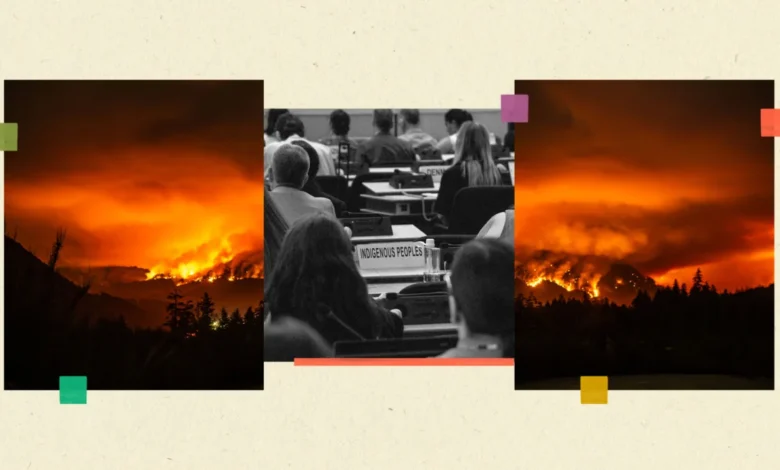
The scale of the wildfire crisis currently unfolding across the Canadian wilderness has reached a critical juncture, with more than 900 active blazes threatening lives, infrastructure, and the ancestral territories of Indigenous peoples. As of the latest reports, 903 fires are burning nationwide, with an alarming 750 classified as "out of control." The human toll is mounting, particularly among First Nations communities, where 13 Nations are currently under mandatory evacuation orders. This has forced 2,182 individuals to abandon their homes, seeking refuge in urban centers as flames consume the boreal forest at an unprecedented rate. While the environmental impact is staggering, the crisis has highlighted a deeper, systemic issue regarding the legal recognition of Indigenous communities and the bureaucratic hurdles that impede life-saving federal assistance.
The Destruction of Namaygoosisagagun First Nation
The most harrowing account of the current wildfire season comes from the Namaygoosisagagun (Collins) First Nation, located approximately 125 miles north of Thunder Bay, Ontario. This remote community, which is inaccessible by road and relies on rail and water for transportation, was nearly obliterated in less than an hour on Wednesday. Witnesses described a fast-moving wall of fire that advanced with such speed that residents had only minutes to gather essential belongings.
In a desperate bid for survival, more than two dozen community members fled by boat as the fire overtook their homes. Because the community is isolated from the provincial road network, the water route represented the only viable escape path. Anishinabek Nation Grand Council Chief Linda Debassige confirmed the devastation in a somber public statement, noting that while all members are currently accounted for, the physical community has been largely leveled. The destruction includes not only private residences but also essential community buildings that served as the social and administrative heart of the Nation.
The trauma of the evacuation was exacerbated by a reported lack of communication from official channels. According to residents and leadership, no advance warnings were issued by provincial or federal wildfire monitoring agencies. Instead, the evacuation was initiated by community members themselves, who went door-to-door to alert neighbors as the smell of smoke turned into visible flames.
Jurisdictional Disputes and the Denial of Federal Aid
While the physical loss of the community is a tragedy, a secondary crisis has emerged involving the legal status of Namaygoosisagagun. Despite the fact that the residents are recognized as First Nations people under the federal Indian Act, the community itself—the land and its administrative structure—is not officially "recognized" as a First Nation by the Canadian government. This technicality has led to a catastrophic denial of emergency resources.
Meaghan Daniel, a lawyer representing the Collins First Nation, has gone on record stating that the federal government is withholding essential recovery and reconstruction support based on this lack of formal recognition. In a formal letter to Indigenous Services Minister Mandy Gull-Masty, Daniel argued that denying Namaygoosisagagun access to the same emergency funds available to "recognized" Nations is not merely a matter of administrative delay; it is an existential threat. The letter emphasizes that without federal intervention, the community may lose the opportunity to rebuild entirely, effectively erasing a settlement that has existed "since time immemorial."
This situation highlights a long-standing grievance among many Indigenous groups in Canada who live in "non-status" or "unrecognized" communities. While the individuals possess the legal rights of Indigenous persons, their lack of a recognized land base or reserve status often leaves them in a jurisdictional vacuum during natural disasters, where neither the province nor the federal government takes full responsibility for emergency management.
Regional Impact: Ontario as the Epicenter
While wildfires are a national concern, the province of Ontario is currently bearing the brunt of the activity. There are 193 fires burning within provincial borders, and the impact on First Nations in the north is particularly acute. Seven First Nations in Ontario have been forced to evacuate entirely. These include:
- Namaygoosisagagun (Collins) First Nation: Completely devastated by fire.
- Whitesand First Nation: Under mandatory evacuation due to proximity to active blazes.
- Kiashke Zaaging Anishinaabek (Gull Bay): Evacuated due to smoke toxicity and fire risk.
- Animbiigoo Zaagi’igan Anishinaabek: Residents cleared under orders supported by the Ontario Provincial Police (OPP).
The Chiefs of Ontario, an advocacy organization representing 133 First Nations, held an emergency meeting on Wednesday to address the escalating situation. The leadership expressed profound frustration with the "bureaucratic processes" required to trigger emergency response services. Ontario Regional Chief Abram Benedict criticized the focus on "financial discussions and technicalities" while lives remain at risk.
"Jurisdictional disputes and administrative delays have immediate consequences," Benedict stated. He noted that while leadership is focused on the safety of their people, the government’s insistence on verifying funding streams and jurisdictional responsibility before deploying assets is costing valuable time.
Chronology of the Crisis
To understand the severity of the current situation, it is necessary to look at the timeline of the last 48 to 72 hours:
- Tuesday Evening: Increased lightning activity and high winds across Northern Ontario and parts of the Prairies ignite 43 new fires within a 24-hour window.
- Wednesday Morning: Winds shift, pushing a massive fire front toward Namaygoosisagagun. No official provincial alert is triggered for the remote community.
- Wednesday Afternoon: Namaygoosisagagun residents evacuate by boat as the community is engulfed. Simultaneously, the Chiefs of Ontario convene an emergency meeting to demand better communication and faster resource deployment.
- Thursday: The Assembly of First Nations (AFN), meeting in Ottawa for its national assembly, passes emergency resolutions. These resolutions call on the federal government to provide immediate and ongoing support to Namaygoosisagagun and other impacted Nations, regardless of their recognition status.
- Friday: National fire totals reach 903. Indigenous Services Canada (ISC) issues a statement via spokesperson Eric Head, claiming that efforts are finally underway to determine the immediate needs of the Collins community and coordinate support.
Broader Implications and the Climate Context
The current wildfire season follows a trend of increasing intensity and frequency of "mega-fires" in Canada’s boreal forests. Climate scientists point to a combination of multi-year droughts, record-breaking spring temperatures, and a lack of winter snowpack as the primary drivers. For First Nations, these environmental shifts are not just an ecological concern but a threat to their cultural survival.
First Nations communities are disproportionately affected by wildfires for several reasons. First, many are located in remote, heavily forested areas with limited road access, making evacuations difficult and dangerous. Second, the infrastructure in these communities—often consisting of older wooden structures and limited firefighting equipment—is highly vulnerable to embers and heat. Finally, the "service gap" between Indigenous and non-Indigenous communities means that emergency response times are often slower for First Nations.
The refusal to provide aid to "unrecognized" communities like Namaygoosisagagun adds a layer of political complexity to an already dire situation. It raises questions about the Crown’s fiduciary duty to Indigenous peoples. If the government recognizes the individuals as "Indians" under the law but refuses to protect the land they live on during a disaster, the legal and moral foundations of that relationship are called into question.
Analysis: The Path to Recovery
The immediate priority for the 2,182 evacuees is finding stable housing and health support. Many evacuees are being housed in hotels and community centers in Thunder Bay and other southern hubs, but the long-term outlook is bleak. For the people of Namaygoosisagagun, there is no "home" to return to. The process of rebuilding a remote, fly-in community from scratch involves massive logistics, including the transport of building materials by rail or winter road, which could take years.
The Assembly of First Nations and the Anishinabek Nation have called for a total overhaul of how wildfire emergencies are handled on Indigenous lands. They are advocating for:
- Direct Funding: First Nations should have direct access to emergency funds without having to navigate multiple layers of provincial and federal bureaucracy.
- Communication Equity: Remote communities must be integrated into the same high-speed satellite warning systems used by southern municipalities.
- Recognition Reform: The federal government must provide emergency "humanitarian" aid to all Indigenous communities based on need, rather than strictly adhering to Indian Act recognition status during a crisis.
As the fires continue to burn out of control across 750 sites, the Canadian government faces a choice. It can continue to rely on antiquated jurisdictional frameworks, or it can adapt its emergency response to meet the realities of a changing climate and the specific needs of its most vulnerable citizens. For the residents of Namaygoosisagagun, who watched their history turn to ash in less than an hour, the time for "financial discussions and technicalities" has long since passed. The focus must now turn to whether they will be allowed to have a future in the place they have called home for generations.