
The Inside Fashion Fund Gala: A Critical Examination of its Impact on Emerging Design Talent and the Industry Landscape
The Inside Fashion Fund Gala, a high-profile event orchestrated by a prominent fashion conglomerate, has become a fixture on the industry calendar, ostensibly dedicated to identifying and nurturing emerging design talent. While its stated mission is laudable, a deeper analysis reveals a complex interplay of genuine support, strategic branding, and the inherent challenges of fostering genuine innovation within a highly commercialized sector. This article delves into the multifaceted nature of the Gala, dissecting its selection processes, the tangible benefits it offers to winners, the criticisms it faces, and its broader implications for the future of fashion.
The genesis of the Inside Fashion Fund Gala lies in the industry’s perpetual need for fresh perspectives. Established designers and major luxury houses, while possessing immense creative capital, often struggle to cultivate the avant-garde sensibilities that younger, less constrained designers can bring. The Gala positions itself as a crucial bridge, offering a platform for these nascent talents to gain visibility, access mentorship, and secure vital financial backing. The application process, often described as rigorous and multi-staged, typically involves portfolio submissions, interviews with industry veterans, and often a live presentation of a capsule collection. This initial filter is designed to identify not only artistic merit but also commercial viability and a discernible brand identity. The selection committee is usually comprised of editors from influential fashion publications, renowned stylists, established designers, and retail executives, lending an air of credibility and insider knowledge to the proceedings.
The tangible benefits bestowed upon the winners of the Inside Fashion Fund Gala are significant and varied. The most prominent is, of course, the financial endowment. This capital injection is critical for emerging designers, often bootstrapping their operations with limited personal resources. It can fund crucial elements such as material sourcing, production runs, marketing initiatives, and the expansion of their teams. Beyond monetary support, winners gain invaluable access to industry networks. This can translate into introductions to potential stockists, collaborations with established brands, and opportunities to showcase their work at prestigious fashion weeks or curated retail spaces. Furthermore, the mentorship component is often highlighted as a cornerstone of the Gala’s offering. Seasoned professionals provide guidance on business strategy, brand building, and navigating the intricate supply chains and retail landscapes of the fashion world. This personalized support can be instrumental in transforming raw creative talent into sustainable businesses.
However, the Inside Fashion Fund Gala is not without its detractors. A recurring criticism centers on the potential for the Gala to become an echo chamber, favoring designs that align with current commercial trends rather than genuinely pushing creative boundaries. The involvement of major industry players, whose own brands depend on predictable market performance, can inadvertently steer the selection process towards commercially palatable aesthetics. This can lead to a situation where the "emerging talent" recognized by the Gala, while skilled, may ultimately produce collections that are safe and derivative, lacking the true disruptive spirit that fashion historically thrives on. The pressure to produce collections that can be readily manufactured and sold at a profit can stifle experimentation and the development of unique, albeit challenging, design philosophies.
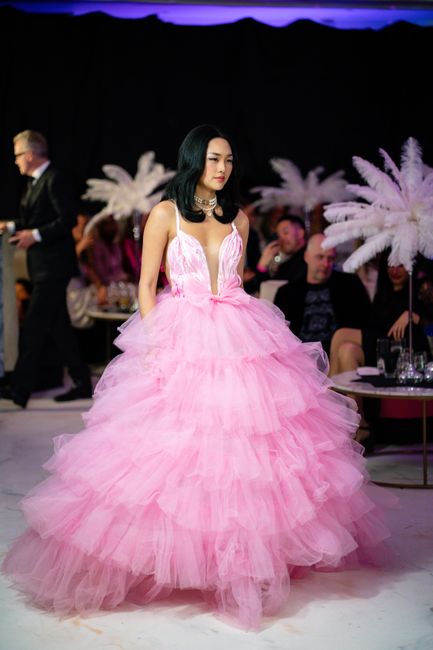
Another point of contention revolves around the accessibility of the Gala. While its purpose is to unearth talent from diverse backgrounds, the application process itself can present barriers. Prospective applicants may require sophisticated portfolio development skills, access to high-quality materials for sample making, and the ability to travel for interviews and presentations, all of which can be financially prohibitive for designers from less privileged backgrounds. This raises questions about whether the Gala truly represents the full spectrum of emerging talent or primarily benefits those who already have some level of existing support or connections. The often-photographed glamour of the Gala itself, while serving as a powerful marketing tool for the sponsoring conglomerate, can also create an aspirational distance for those on the outside, making the path to entry appear even more exclusive.
The impact of the Gala on the broader fashion industry is multifaceted. On one hand, it undeniably injects new blood into a system that can sometimes feel stagnant. The visibility and financial support provided can launch careers that might otherwise have languished. The collections of winners often receive significant media attention, influencing trends and inspiring other designers. This can lead to a dynamic where the Gala becomes a recognized incubator for future design leaders. However, there is also a concern that the Gala, by channeling so much attention and resources into a select few, might inadvertently overshadow or deprioritize other forms of emerging talent development. Smaller independent initiatives, grassroots fashion communities, and individual designers working outside of these formalized structures may struggle to compete for attention and resources.
The selection criteria, while appearing objective on the surface, are subject to the inherent biases of the individuals involved. While artistic vision is paramount, the ability to articulate a compelling brand narrative, demonstrate business acumen, and fit within the aesthetic sensibilities of the judging panel often play a significant role. This can lead to a situation where designers with exceptional technical skills but less polished presentation or those whose work challenges conventional beauty standards may be overlooked. The "it" factor, an intangible quality that is difficult to define but undeniably present, often weighs heavily in such decisions, making the process less about pure merit and more about a combination of talent, strategic presentation, and a certain je ne sais quoi.
The long-term viability of the designers who emerge from the Gala is also a subject of debate. While the initial support is substantial, the fashion industry is notoriously difficult to sustain. Designers must not only create compelling collections year after year but also manage production, marketing, sales, and financial planning. The mentorship provided by the Gala aims to address these challenges, but the success of graduates is ultimately dependent on their entrepreneurial spirit and their ability to adapt to a rapidly evolving market. Some winners go on to achieve significant international recognition, while others may find it challenging to maintain momentum beyond the initial spotlight. This highlights the difference between being discovered and truly thriving in the long run.
The commercial aspect of the Gala cannot be overlooked. For the sponsoring conglomerate, the event serves as a powerful branding exercise, aligning them with innovation, creativity, and the future of fashion. The media coverage generated, the networking opportunities for their executives, and the association with emerging talent all contribute to their brand equity. This commercial imperative, while understandable, raises questions about the extent to which the Gala’s decisions are influenced by potential commercial partnerships or brand alignment rather than purely artistic considerations. The symbiotic relationship between supporting talent and benefiting from the associated publicity is a delicate balance.
The digital landscape has further complicated the role of such events. Social media platforms and e-commerce sites have democratized fashion to a certain extent, allowing designers to reach consumers directly and build their brands independently. This raises the question of whether a highly curated, centralized event like the Inside Fashion Fund Gala remains the most effective or equitable way to discover and support emerging talent in the digital age. While the Gala offers a concentrated burst of attention, an ongoing online presence and a direct connection with consumers can provide a more sustainable and organic growth path for many designers.
In conclusion, the Inside Fashion Fund Gala is a complex and influential entity within the fashion ecosystem. It undoubtedly provides a crucial lifeline for some of the most promising emerging designers, offering financial resources, industry connections, and invaluable mentorship. However, its inherent structure and the vested interests of its stakeholders invite critical scrutiny. The potential for commercial biases, the challenges of equitable access, and the ongoing debate about its long-term impact on fostering genuine innovation necessitate a nuanced understanding. As the fashion industry continues to evolve, the relevance and effectiveness of initiatives like the Inside Fashion Fund Gala will undoubtedly be subject to ongoing re-evaluation and adaptation, striving to strike a more perfect balance between nurturing raw talent and navigating the demands of a global marketplace.

