Methane, a colorless and odorless hydrocarbon, has emerged as one of the most significant challenges and opportunities in the global effort to stabilize the Earth’s climate. As the primary component of natural gas, methane (CH4) is responsible for approximately one-third of the global warming experienced since the Industrial Revolution. While carbon dioxide (CO2) remains the most abundant greenhouse gas, methane possesses a heat-trapping potency that is more than 80 times greater than CO2 over a 20-year period. This unique combination of high intensity and a relatively short atmospheric lifespan—roughly 12 years—makes methane reduction the most effective "short-term lever" available to policymakers seeking to prevent the planet from crossing irreversible climate tipping points.
The Science and Origins of Methane
Methane is a simple molecule consisting of one carbon atom and four hydrogen atoms. It is produced through two primary pathways: geological and biological. Geologically, methane is formed over millions of years as heat and pressure act upon organic matter buried deep within the Earth’s crust. This process creates the fossil fuel reservoirs that are extracted today as natural gas. Biologically, methane is a byproduct of methanogenesis, a form of anaerobic respiration performed by microorganisms known as archaea. These microbes thrive in oxygen-poor environments, such as the waterlogged soils of wetlands, the digestive tracts of ruminant animals like cattle, and the depths of human-managed landfills.

In the pre-industrial era, natural methane sinks, such as soil bacteria and chemical reactions in the troposphere, effectively balanced natural emissions. However, human activity has disrupted this equilibrium. According to the World Meteorological Organization (WMO), atmospheric methane concentrations reached a record 1,934 parts per billion (ppb) in 2023, representing a 265 percent increase over pre-industrial levels. Current data suggests that roughly 60 percent of annual methane emissions are now driven by anthropogenic sources, primarily agriculture, fossil fuel extraction, and waste management.
A Chronology of Methane Monitoring and Policy
The global understanding of methane has evolved through several distinct phases of scientific discovery and international cooperation:
- The Early Industrial Era (1850s–1970s): Methane levels began a slow, steady climb as coal mining and livestock populations expanded globally. During this period, methane was viewed primarily as a safety hazard in mines rather than a climate threat.
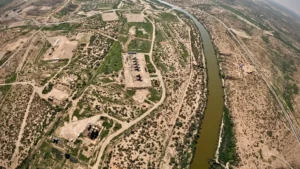
- The Satellite Revolution (2000s–Present): The advent of advanced remote sensing changed the landscape of climate science. Satellites like the European Space Agency’s Sentinel-5P and private initiatives like GHGSat began identifying "super-emitters"—specific facilities or leaks responsible for massive volumes of methane.
- The Global Methane Pledge (2021): Launched at COP26 in Glasgow by the United States and the European Union, this landmark agreement saw over 100 nations (now 159) commit to reducing global methane emissions by 30 percent by 2030.
- The 2024 Implementation Gap: Despite political commitments, the International Energy Agency (IEA) reported that methane emissions from the energy sector remained near record highs in 2023, highlighting a significant disconnect between diplomatic pledges and industrial reality.
Sector-Specific Emissions and Data Analysis
To address methane effectively, researchers categorize emissions into three main human-led sectors: agriculture, fossil fuels, and waste.

Agriculture: The Leading Contributor
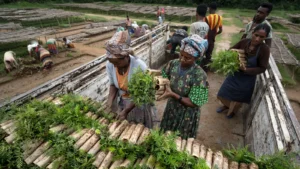
Agriculture is responsible for approximately 40 percent of human-caused methane. The largest share comes from enteric fermentation—the digestive process of cattle, sheep, and goats. Livestock alone contribute 32 percent of anthropogenic methane. Rice cultivation is the second-largest agricultural source, accounting for 8 percent of emissions. The flooded fields required for traditional rice farming create anaerobic conditions that stimulate methane-producing archaea. Experts project that as global demand for meat rises, agricultural methane could increase by six million metric tons per year by 2030 unless systemic changes are implemented.
Fossil Fuels: The Low-Hanging Fruit
The energy sector accounts for about 35 percent of human-caused methane. This occurs through intentional venting, flaring, and accidental leaks during the extraction and transport of oil and gas. Coal mining also releases significant amounts of "coal mine methane" trapped within rock strata. The IEA estimates that 70 percent of methane emissions from fossil fuel operations could be eliminated using existing technologies, and nearly 40 percent could be abated at no net cost, as the captured gas can be sold as fuel.
Waste Management
Landfills and wastewater treatment systems contribute 20 percent of human emissions. As organic waste decomposes in the absence of oxygen, it releases "landfill gas," which is roughly 50 percent methane. With global solid waste production expected to rise by 73 percent by 2050, this sector represents a rapidly growing portion of the climate crisis.

The "Bridge Fuel" Controversy and LNG
For years, the energy industry promoted natural gas as a "bridge fuel" that could help transition the world away from coal. The logic was based on the fact that burning natural gas produces roughly half the CO2 of coal. However, recent life-cycle analyses have debunked this narrative. Because methane is so much more potent than CO2, even a small leakage rate during extraction and transport can negate the climate benefits of switching from coal.
A 2023 study indicated that if just 0.2 percent of methane leaks from the supply chain, natural gas becomes as damaging as coal. In the case of Liquefied Natural Gas (LNG), which requires energy-intensive cooling and long-distance shipping, the climate impact can be 33 percent higher than coal over a 20-year horizon. This has led to intense criticism of the current expansion of LNG export terminals in the U.S., Canada, and Australia. Climate activists, including Bill McKibben, have warned that the current "LNG build-out" could overwhelm global efforts to meet the Paris Agreement targets.
Environmental and Public Health Implications
The impact of methane extends beyond global warming. When methane enters the lower atmosphere, it participates in chemical reactions that produce ground-level ozone (smog). Unlike the protective ozone layer in the stratosphere, ground-level ozone is a toxic air pollutant.

Public health data suggests that methane-generated ozone is responsible for approximately 500,000 premature deaths annually worldwide. It causes respiratory illnesses, exacerbates asthma, and reduces agricultural yields by damaging plant tissue. The United Nations Environment Programme (UNEP) notes that for every million metric tons of methane reduced, the world could prevent 1,430 heat-related deaths and 145,000 tons of crop losses.
Feedback Loops and the Threat of Tipping Points
One of the most alarming aspects of methane is its role in "positive feedback loops." As the planet warms due to human emissions, natural systems begin to release their own stored methane, further accelerating the warming.
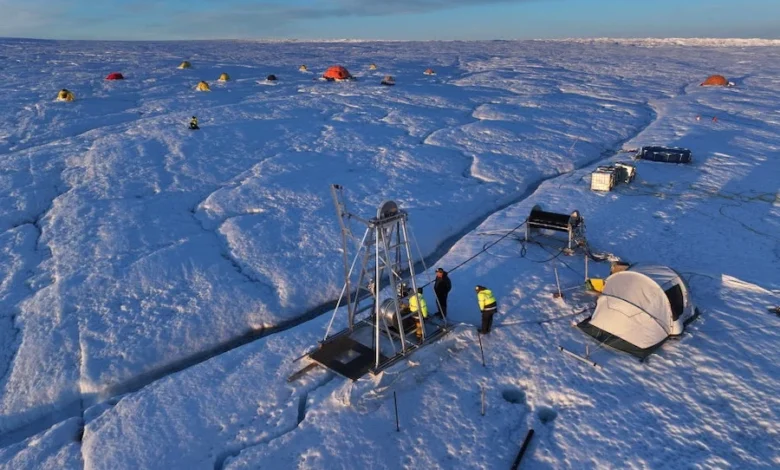
- The Permafrost Thaw: The Arctic permafrost contains twice as much carbon as is currently in the atmosphere. As it melts, microbes decompose ancient organic matter, releasing methane. Arctic methane emissions have already increased by 9 percent since 2002.
- Wetland Expansion: Rising temperatures and shifting rainfall patterns are causing tropical wetlands to expand and stay wet longer, leading to "exceptional growth" in natural methane releases.
- Wildfires: Extreme fires not only release CO2 but also significant quantities of methane. California’s 2020 wildfire season alone contributed nearly 14 percent of the state’s total annual methane emissions.
Strategies for Mitigation and Removal
The Intergovernmental Panel on Climate Change (IPCC) asserts that methane emissions must be cut by 34 percent by 2030 to limit warming to 1.5°C. Achieving this requires a multi-faceted approach:

- Technological Fixes: Implementing Leak Detection and Repair (LDAR) programs in the oil and gas sector and installing methane captures on landfills.
- Agricultural Innovation: Introducing seaweed supplements (like Asparagopsis taxiformis) into livestock feed has been shown to reduce enteric methane by up to 82 percent. In rice farming, "Alternate Wetting and Drying" (AWD) techniques can cut emissions by half.
- Dietary Shifts: Reducing global meat consumption, particularly in high-income nations, would directly lower the demand for methane-intensive livestock production.
- Direct Atmospheric Removal: Emerging geoengineering concepts, such as using iron salt aerosols to enhance the natural breakdown of methane in the atmosphere, are currently under research. Additionally, preserving and expanding forests is vital, as recent studies have found that tree bark contains methanotrophic bacteria that naturally absorb methane.
Broader Impact and Global Outlook
The trajectory of global methane emissions remains a critical indicator of the world’s climate future. While the Global Methane Pledge represents a significant diplomatic victory, the lack of mandatory enforcement mechanisms means that atmospheric concentrations continue to rise. The transition from voluntary pledges to strict regulatory frameworks—such as the European Union’s new methane import standards and the U.S. Environmental Protection Agency’s (EPA) methane fee—marks a shift toward accountability.
The dual nature of methane—as a devastating climate accelerant and a short-term opportunity for cooling—places it at the center of modern environmental policy. If the international community can successfully bridge the gap between satellite detection and industrial mitigation, the reduction of methane could provide the necessary time to decarbonize the global economy. Failure to act, however, risks triggering natural feedback loops that could move the climate crisis beyond human control. The next decade will determine whether methane remains a "methane bomb" or becomes the catalyst for a rapid and successful climate intervention.