
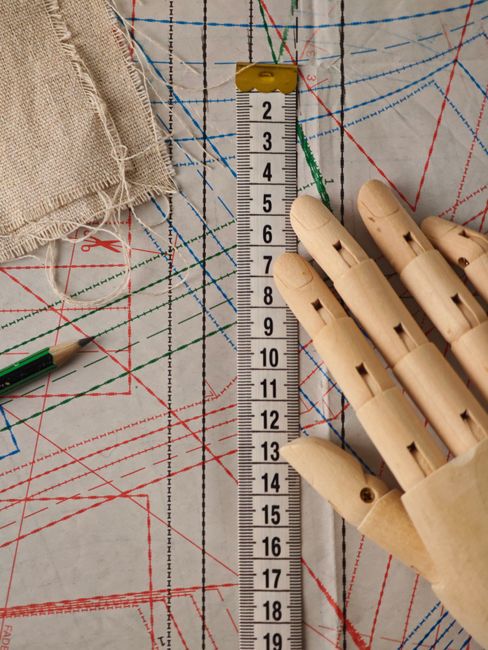
Unlocking Your Creativity: A Comprehensive Guide to Sewing Patterns and Getting Started
Sewing patterns are the blueprints of the garment construction world, essential tools that bridge the gap between a designer’s vision and a tangible piece of clothing. For anyone aspiring to create their own wardrobe, mend existing garments, or embark on the rewarding journey of textile arts, understanding sewing patterns is the fundamental first step. These patterns, typically printed on thin paper, contain a series of precisely shaped and marked pieces that, when cut from fabric and sewn together according to instructions, form a specific garment or item. They are the standardized language that allows sewers of all skill levels to replicate designs with accuracy and consistency. The inherent beauty of sewing patterns lies in their versatility; they cater to an enormous range of styles, from simple aprons and tote bags to intricate evening gowns and tailored suits, and come in a spectrum of sizes to accommodate diverse body types. They are the gateway to personalization, enabling sewers to choose their own fabrics, colors, and embellishments, transforming a generic design into a unique expression of individual style. For beginners, they offer a structured path to learning essential sewing techniques, building confidence with each completed project. For experienced sewists, they provide a foundation for experimentation, allowing them to modify existing patterns, combine elements from different designs, or use them as a springboard for entirely new creations. The accessibility of sewing patterns, readily available online, in fabric stores, and through independent designers, makes this creative pursuit attainable for a broad audience.
The fundamental purpose of a sewing pattern is to provide a precise set of instructions and templates for cutting fabric and assembling a garment. Each pattern piece represents a specific section of the final garment, such as a sleeve, a bodice front, a skirt panel, or a collar. These pieces are meticulously drafted to account for seam allowances, darts, and other shaping elements that contribute to the fit and structure of the finished product. The markings on a pattern are crucial. Notches, for example, are small cuts or printed marks that align corresponding edges of different pattern pieces, ensuring accurate placement during construction. Grainlines indicate the direction in which the fabric should be laid out relative to the selvage (the finished edge of the fabric), which is vital for the drape and stability of the garment. Dots and other symbols mark points for attaching other pieces or for specific design elements like pockets or button placements. The pattern envelope itself is a treasure trove of information, typically including a drawing or photograph of the finished garment, a list of suggested fabrics, the required yardage for different sizes, notions needed (like zippers, buttons, or thread), and often a size chart for measurement conversion. Understanding these elements transforms a seemingly complex piece of paper into a navigable roadmap for garment creation.
To begin your journey with sewing patterns, a few essential supplies are non-negotiable. Foremost among these is a reliable pair of fabric scissors. These should be dedicated solely to cutting fabric, as using them on paper or other materials will dull the blades and result in jagged, inaccurate fabric cuts. Alongside fabric scissors, a good pair of paper scissors is recommended for cutting out pattern pieces from the paper. A rotary cutter and cutting mat offer an alternative, often faster and more precise, method for cutting fabric, especially for straight lines, and are a worthwhile investment for more serious sewers. Measuring tools are paramount. A good quality tape measure, flexible and marked in both inches and centimeters, is essential for taking body measurements and for measuring fabric. A clear ruler, preferably with a grid of lines, is invaluable for checking seam allowances, making small adjustments to patterns, and for measuring fabric widths. Pins are indispensable for holding fabric pieces together before and during sewing, as well as for securing pattern pieces to fabric. Dressmaker’s shears are a specific type of fabric scissors designed for cutting fabric comfortably and accurately. Chalk or erasable markers are used to transfer pattern markings onto the fabric, such as dart points or stitch lines. A seam ripper is an absolute must-have; every sewer will, at some point, make a mistake and need to undo stitches. Finally, a sewing machine is the primary tool for assembling garments. While manual sewing is possible, a machine dramatically speeds up the process and produces stronger, more consistent seams. For beginners, a basic mechanical sewing machine that offers straight stitch and zigzag stitch functions is perfectly adequate.
Selecting your first sewing pattern requires careful consideration to ensure a positive and encouraging experience. For absolute beginners, it is highly recommended to start with simple, uncomplicated projects. Look for patterns labeled "easy," "beginner," or "learn to sew." These patterns typically feature fewer pieces, straightforward construction techniques, and fewer intricate details. Examples of excellent beginner projects include elastic-waist skirts, simple tote bags, pajama pants, or basic knit tops. Avoid patterns with complex closures like zippers or buttons in challenging locations, set-in sleeves, or intricate tailoring. The fabric choice is equally critical. For beginner patterns, opt for stable, medium-weight woven fabrics such as quilting cotton, linen blends, or stable poplin. These fabrics are easy to cut, press, and sew, and they don’t shift or stretch excessively, making them forgiving for those still developing their handling skills. Avoid very slippery fabrics like silk or satin, very stretchy fabrics like jersey for your first woven project, or very thick fabrics that can be difficult for a beginner sewing machine to handle. Always check the pattern envelope for fabric recommendations suitable for the specific pattern you choose.
Once you have your pattern and fabric, the process of preparing to cut begins. The first step is to accurately take your body measurements. Compare these measurements to the size chart provided on the pattern envelope. It’s important to understand that pattern sizing often differs significantly from ready-to-wear clothing sizing. Don’t be discouraged if you fall into a different size than you usually wear; focus on the measurements for the best fit. If your measurements fall between sizes, it’s generally advisable to err on the side of the larger size, as it’s easier to take in fabric than to add it. Next, carefully read through the pattern instructions. Familiarize yourself with the terminology and the order of construction before you even lay the pattern pieces on the fabric. Examine the pattern pieces themselves. Identify the grainline, notches, dots, and any other markings. Understanding what each symbol represents is key to successful cutting and sewing.
The act of laying out and cutting pattern pieces requires precision. Many patterns suggest specific layout diagrams on the envelope, showing how to arrange the pieces efficiently on the fabric to minimize waste. Ensure your fabric is pre-washed and pressed. This is crucial to pre-shrink the fabric and remove any manufacturing wrinkles. Fold your fabric according to the layout diagram, paying close attention to whether it should be folded lengthwise, crosswise, or on the bias. Carefully align the grainline on each pattern piece parallel to the fabric’s selvage or the fold line as indicated. Secure the pattern pieces to the fabric using plenty of pins, placed about 6-8 inches apart, ensuring the fabric lies flat underneath. For cutting, either use your fabric scissors to carefully cut around the outer edges of the pattern pieces, following the solid cutting lines, or use a rotary cutter and ruler for a more streamlined approach. Accurately cut out all pattern pieces, including any notches or dots, as indicated by the markings on the pattern.
After cutting, the next crucial step is transferring the pattern markings to the fabric. These markings are essential for accurate construction. Use tailor’s chalk, a washable fabric marker, or even small snips into the seam allowance (never into the seam line itself) to mark notches, darts, pocket placements, and other construction points. Ensure these markings are transferred to the right side of the fabric for clarity. Now, you’re ready to pin the fabric pieces together for sewing. Lay out the pieces as instructed in the pattern booklet, right sides together, and carefully match any notches, dots, or edges. Insert pins perpendicular to the seam line to hold the layers securely in place.
The sewing machine is your primary tool for bringing the garment to life. Thread your sewing machine according to its manual, ensuring you use good quality thread that matches your fabric. Select the appropriate stitch for your task, usually a straight stitch for seams and a zigzag stitch for finishing raw edges or for sewing knit fabrics. Begin sewing at a consistent speed, following the marked seam allowance (typically 5/8 inch or 1.5 cm for commercial patterns unless otherwise specified). Always backstitch at the beginning and end of each seam to secure the stitching. As you sew, guide the fabric gently; don’t push or pull it, as this can distort the seam. After sewing, press your seams open or to one side as instructed in the pattern. Pressing is a critical step in garment construction, not just for neatness but also for creating crisp lines and ensuring a professional finish.
As you progress through the pattern instructions, you’ll encounter various techniques like clipping curves, notching corners, easing fabric, and inserting darts. Take your time to understand each step. Don’t be afraid to consult online tutorials or sewing books if a particular technique is unclear. Patience and practice are key. If you make a mistake, don’t panic. Use your seam ripper to carefully undo the stitches and try again. Most sewers have a "seam ripper" as a constant companion during their learning process. As you gain confidence, you can start exploring more complex patterns and different fabric types. Consider attending local sewing classes or joining online sewing communities for support and inspiration. The world of sewing patterns offers endless possibilities for creativity and self-expression, and with this comprehensive guide, you are well-equipped to embark on your exciting sewing adventure.

